In short
A start-up booth has one job: make a stranger understand you in five seconds. Use one big sentence, a working demo and a founder ready to talk. Keep the kit light enough to carry, spend on the message rather than the structure, and arrange meetings before you arrive, because a small pod depends on the people who walk past it.
Key points
- Headline wall, Demo point, Contact point are the core zones.
- Avoid: explaining the company in a paragraph.
- Avoid: waiting behind a table.
- Avoid: printing too much heavy kit.
- See the template and trade show guides linked below for start-ups.
Who visits and what they want
Investors, early customers, partners, press and fellow founders, moving quickly between talks.
What to show
A live product on a tablet or laptop, a short video and a clear one-line offer.
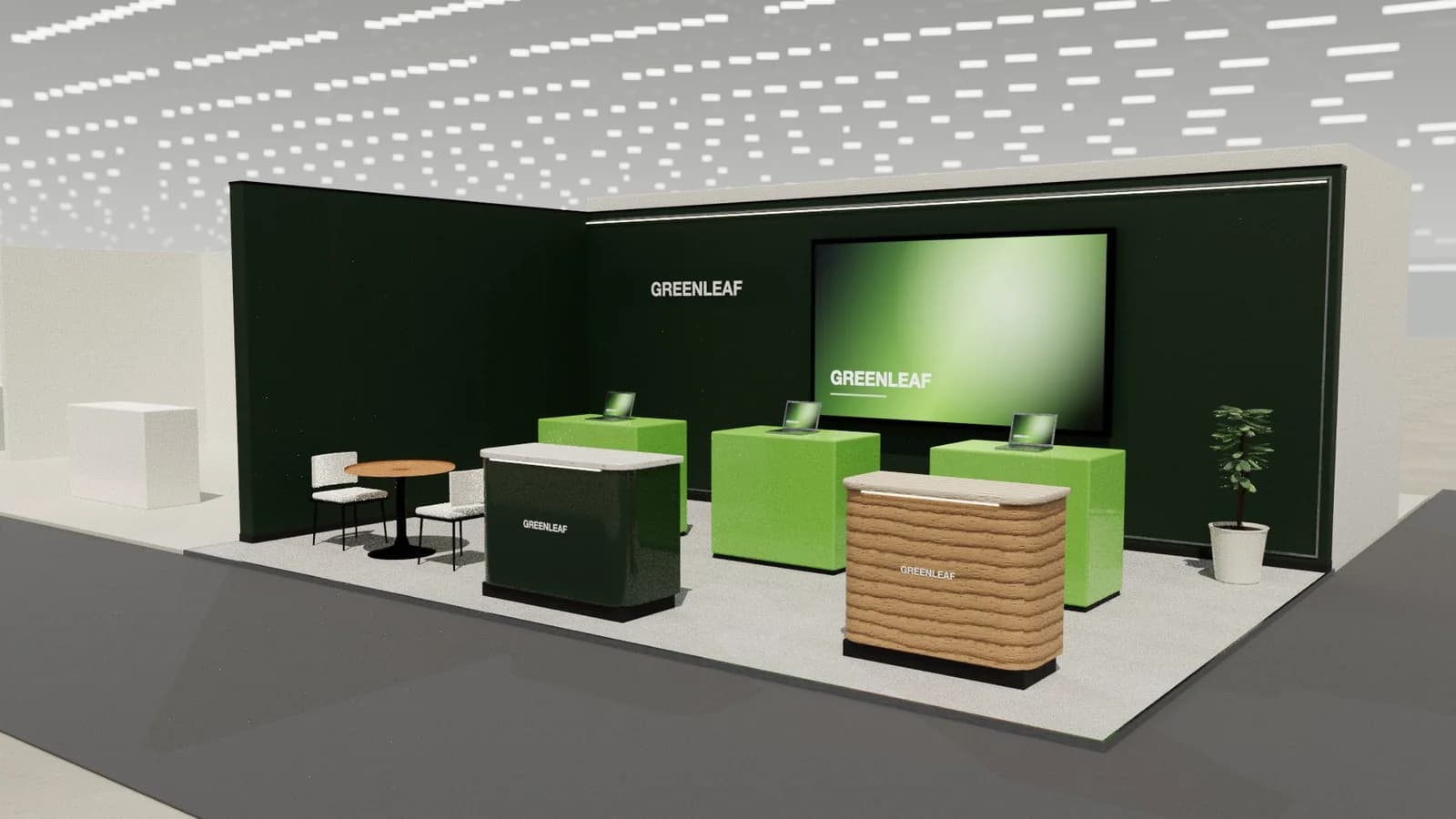
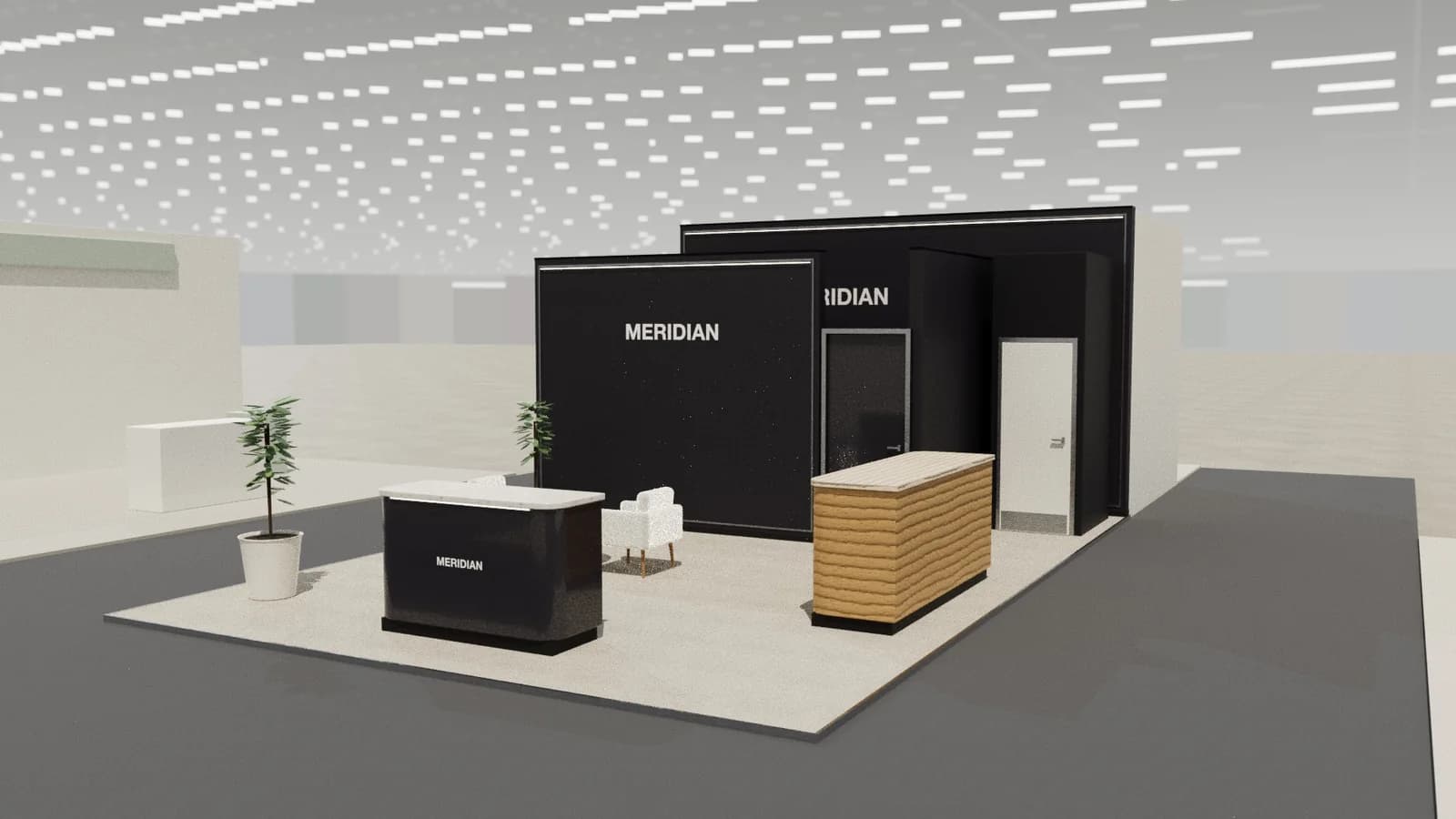
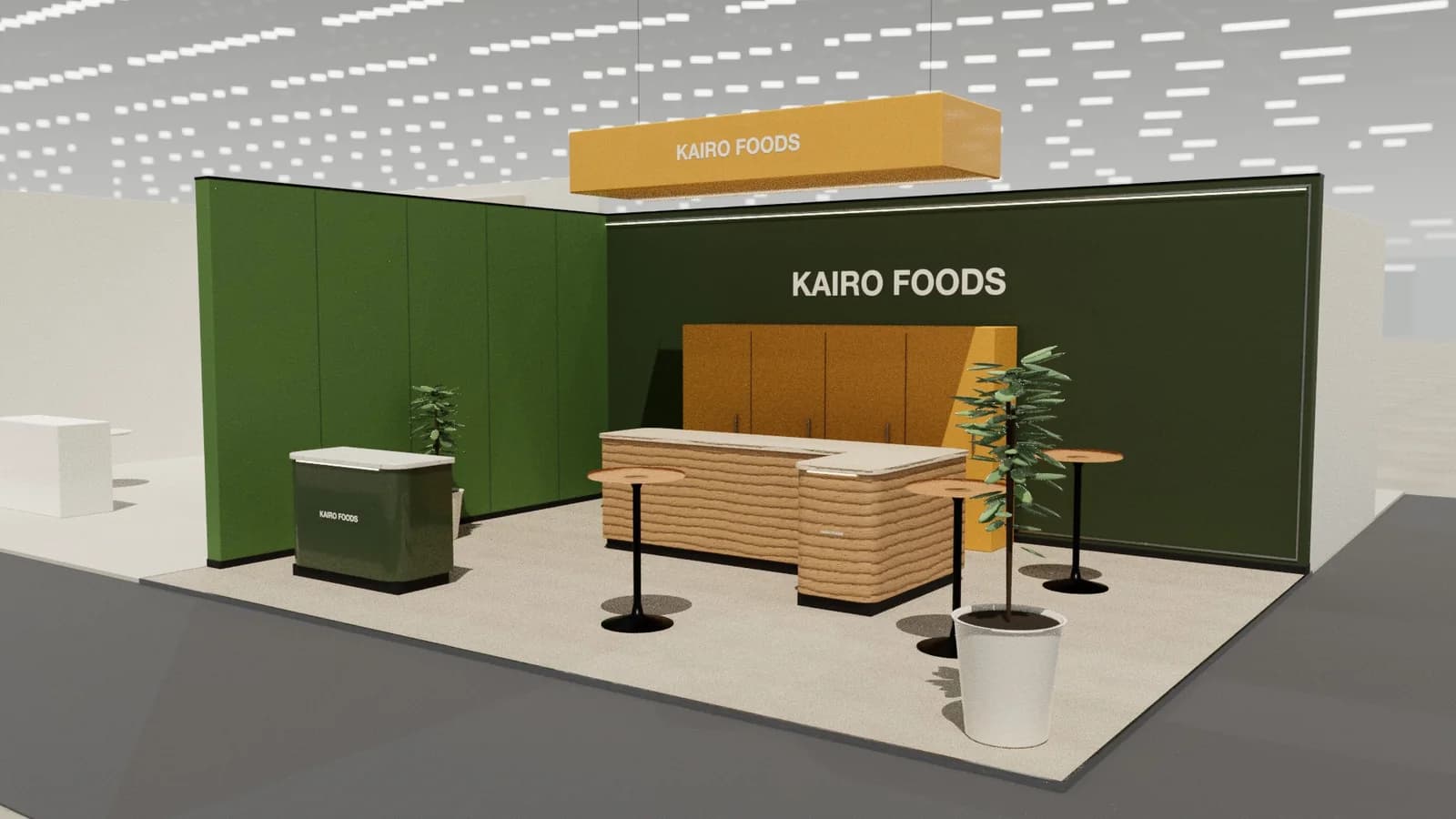
Zones for a startup stand
| Zone | Purpose | Where it goes |
|---|---|---|
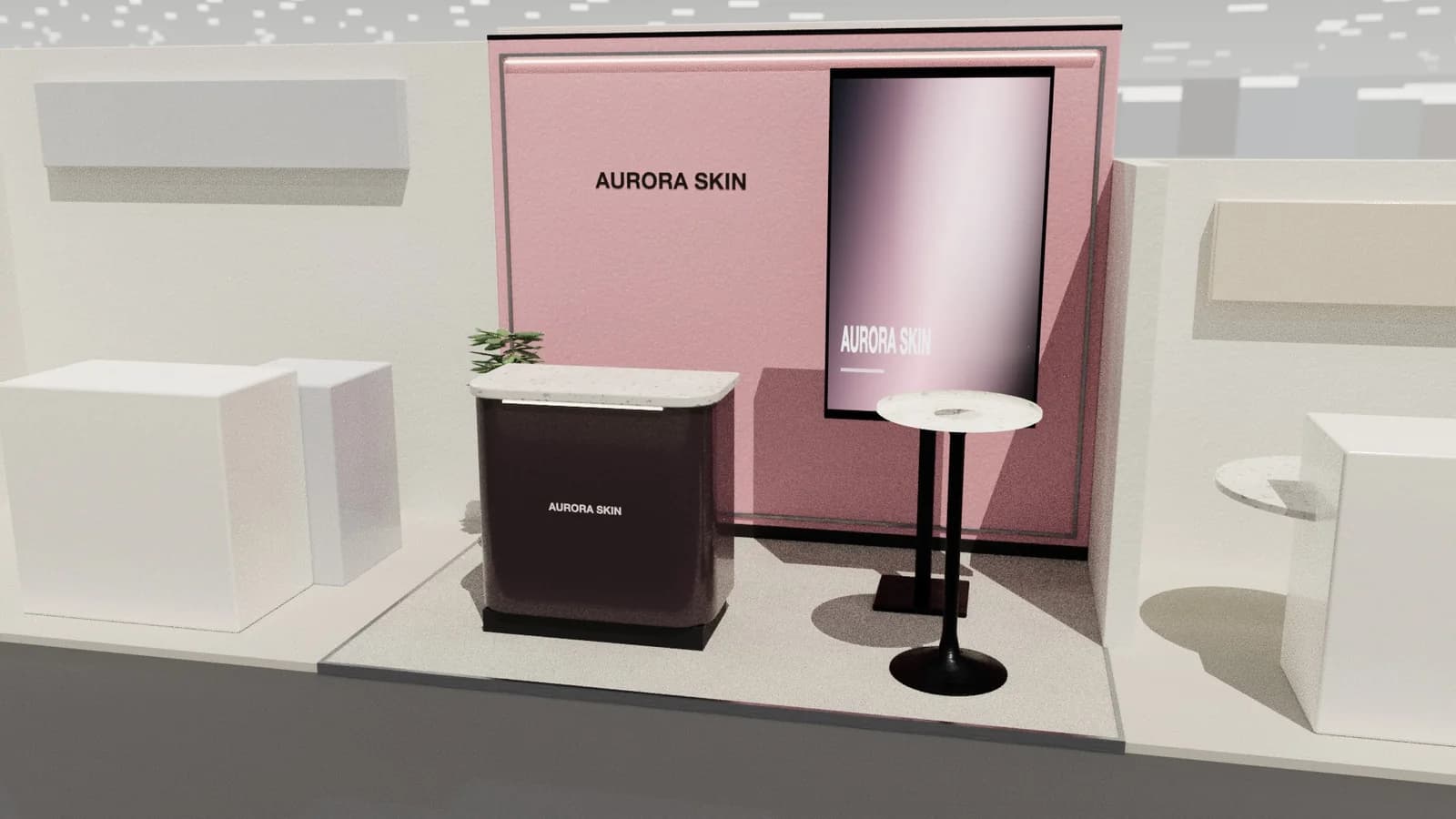
| Headline wall | One sentence | Back wall |
| Demo point | Live product | Front |
| Contact point | QR code or scanner | Counter |
On a 3 × 3 m stand, keep the first two zones and book meetings elsewhere. From about 36 m² every zone fits; see stand sizes for what fits at each size.
Materials, lighting and graphics
Bold type, one colour and a simple layout. A start-up pod is too small for any fine print.
For detail on light levels and colour rendering, see stand lighting; for wall graphics, see graphics and branding.
Starting conversations and capturing leads
Open with the problem, and ask if it applies to them. Have a one-minute pitch and a one-line ask ready.
Rules and practicalities
Pods are usually supplied by the organiser, with limits on graphics and height. Check what is included in your package.
Venue rules on height, open sides, fire safety and services still apply; see venue approval.
Common mistakes
- Explaining the company in a paragraph.
- Waiting behind a table.
- Printing too much heavy kit.
Trade shows for start-ups
Show-specific guides: Web Summit, LEAP, GITEX Global. For more, see stand design by trade show.
Frequently asked questions
01What should a start-up put on its booth?
One sentence, a logo and a demo. Everything else can wait for the conversation.
02How much should a start-up spend?
As little as the goal allows. A strong graphic and a working demo usually matter most.
03What size stand does a startup exhibitor need?
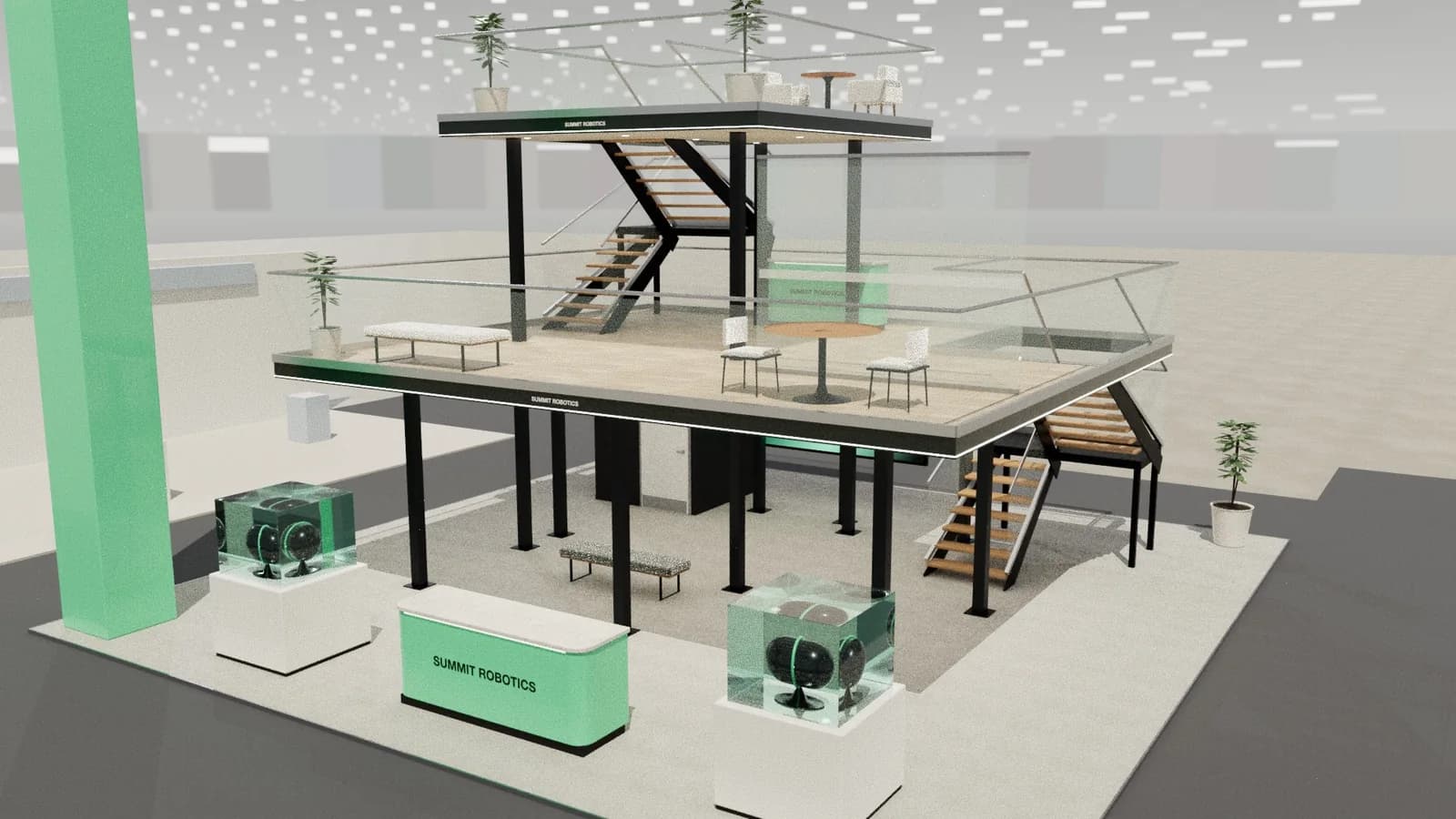
Size to the activities: about 9 m² for one conversation point, 18–36 m² to add demos and a meeting table, and 50 m² or more for meeting rooms and hospitality. See [stand sizes](/guides/topics/exhibition-stand-sizes).
04Can AI design a startup booth?
AI can produce a complete concept quickly: [Studio](/ai-booth-designer) lays out the zones above at real scale and renders the result. A stand builder still checks structure, services and compliance before building.
Put it into practice
An AI booth designer that designs in 3D, not in pixels
An AI booth designer that plans an exhibition stand in 3D at your size, checks it can be built, and changes it when you ask in plain English.
Guidance here reflects common practice. Venues, organisers and countries set their own rules: always check the exhibitor manual and work with a qualified stand builder and engineer for structures.