In short
Healthcare and medical stands combine product demonstration with trust and compliance. Plan demo areas for devices at realistic heights, private consultation rooms with doors for clinical conversations, clear and approved messaging, excellent accessibility, and a calm, clean look. Pharmaceutical promotion is heavily regulated, so involve the regulatory team in graphics early.
Key points
- Device demos at the height they are used.
- Private rooms with doors for clinical or commercial discussions.
- Messaging approved by regulatory and medical teams.
- Accessibility is essential: visitors include clinicians and patients.
- Clean materials, calm colours, good light.
Consultation and meeting rooms
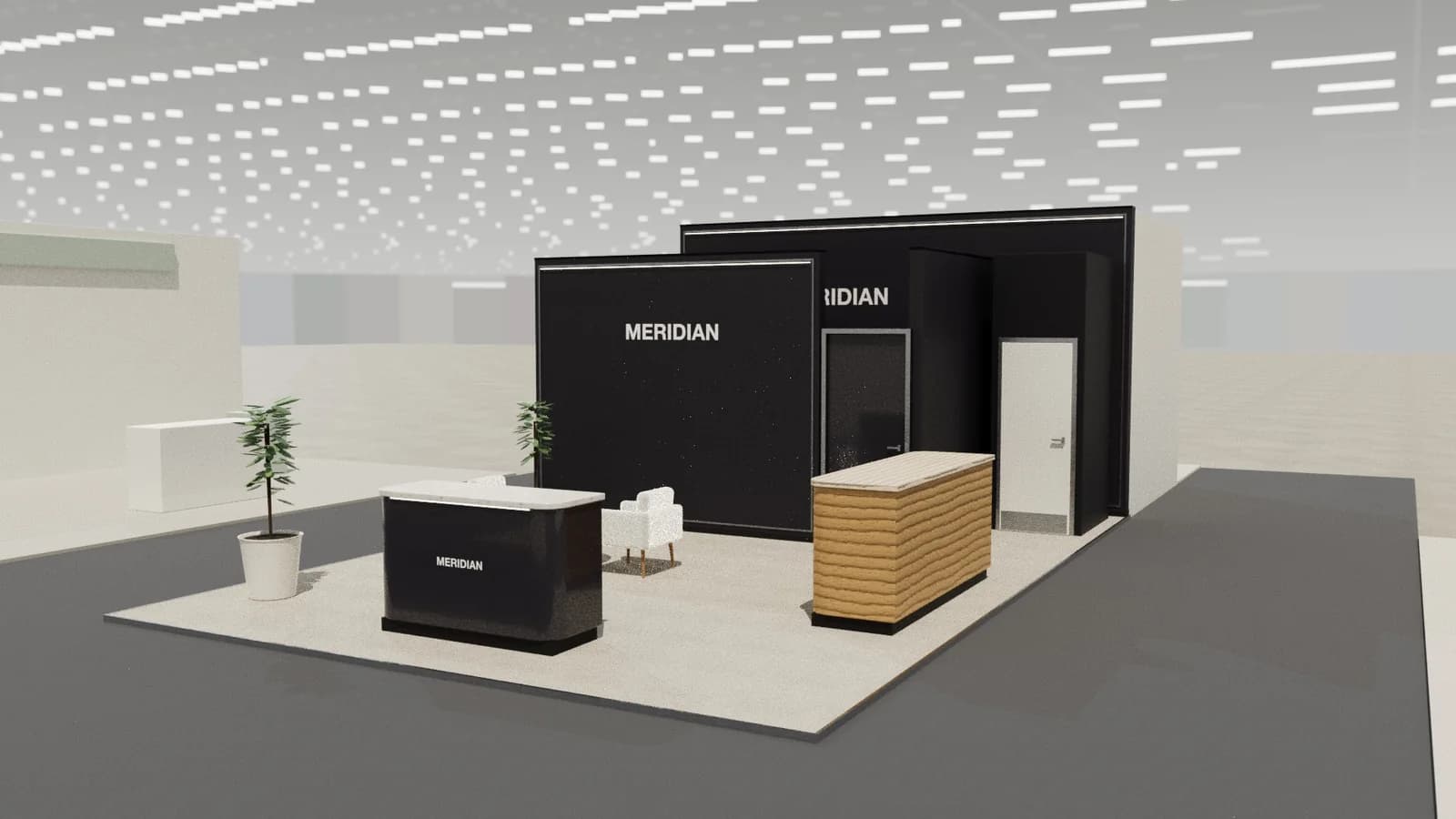
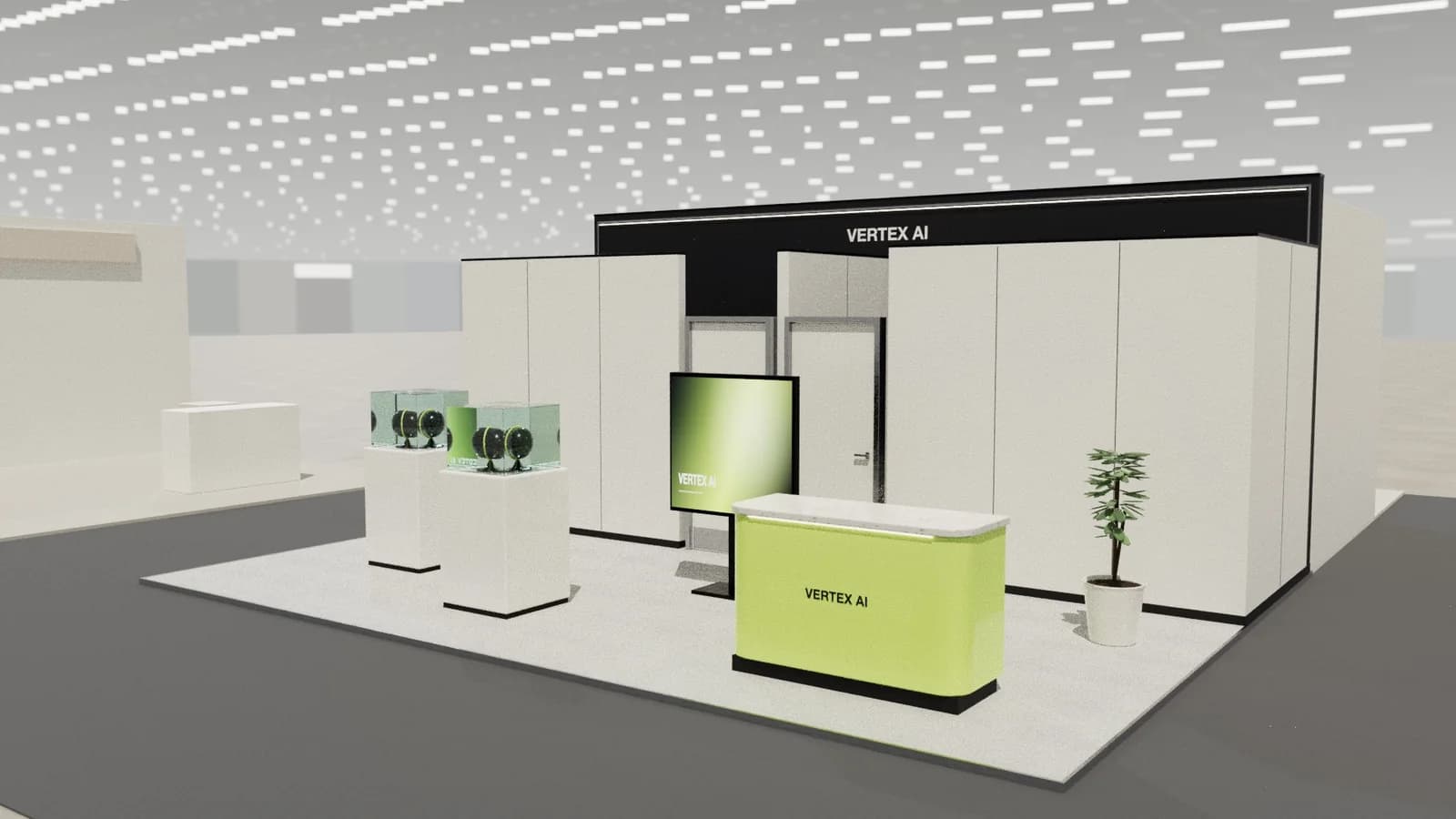
Closed rooms with real doors give privacy for clinical conversations. Each room needs a table, chairs facing each other, and enough space for a device demo if needed.
Compliance and messaging
- Many countries and congresses separate promotional material for healthcare professionals from content for the public.
- Claims usually need approval by medical, legal and regulatory reviewers.
- Build review time into the graphics schedule.
Zones
| Zone | Notes |
|---|---|
| Brand and therapy area | Clear, approved messages |
| Device demos | Realistic heights, space for groups of 3–4 |
| Consultation rooms | Doors, privacy, seating |
| Information | Approved materials, often digital |
Device demonstrations
- Show devices at the height and angle they are used in practice.
- Leave room for a small group (3–4 people) around each demo.
- Use screens to show procedures and data that cannot be shown live.
- Plan power, data and any medical gases or consumables with the venue.
Look and feel
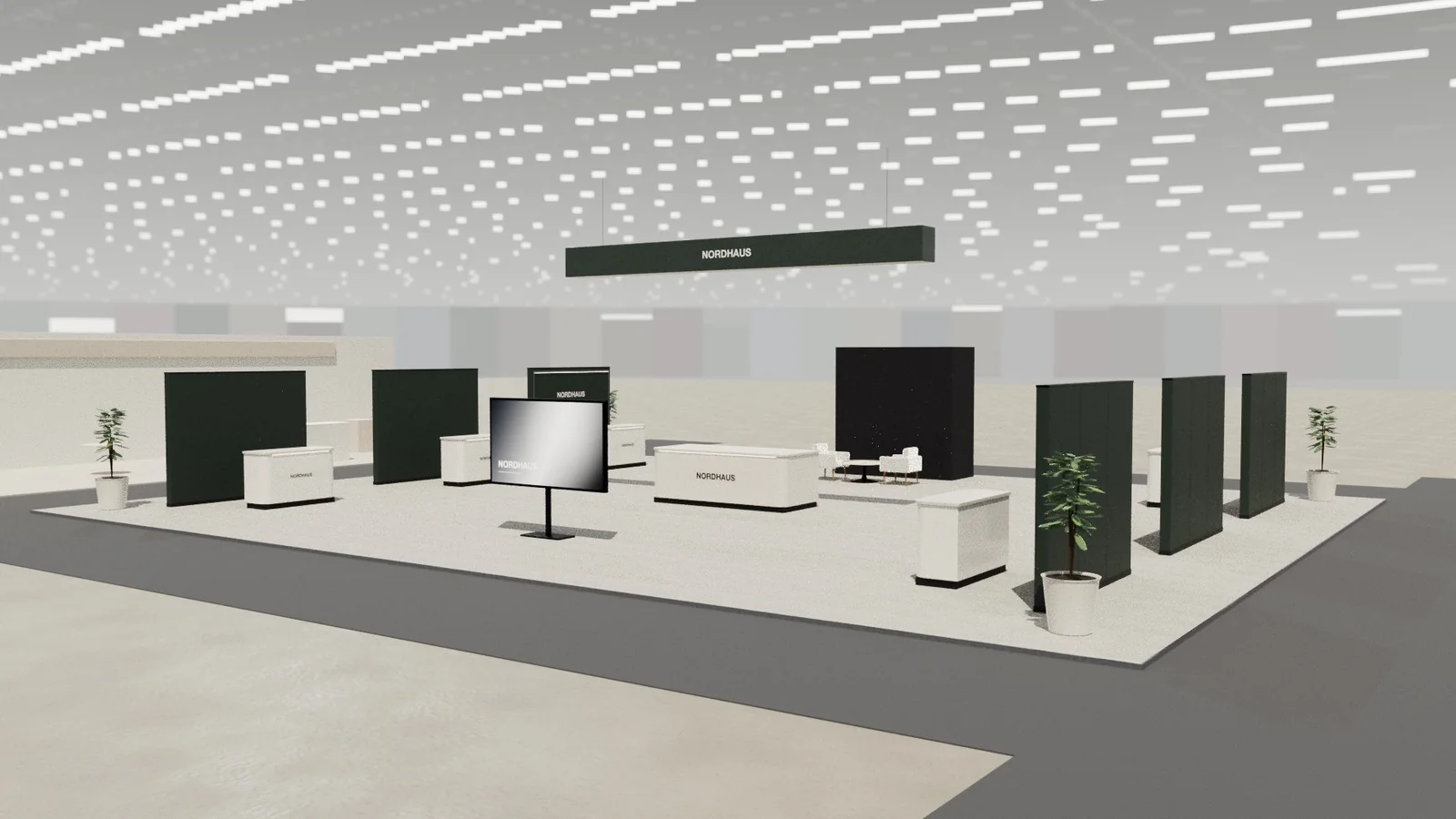
Healthcare stands benefit from calm, clean design: light materials, plenty of space, good daylight-like lighting and clear wayfinding. Avoid clutter and aggressive promotional graphics; credibility comes from clarity, evidence and conversations with knowledgeable staff.
Staffing and conversations
Visitors to medical congresses are often specialists with limited time between sessions. Staff the stand with people who can answer clinical and technical questions, separate commercial and medical roles where regulations require it, and plan short, focused demos. Scheduling meetings in advance through the congress app or email fills consultation rooms at predictable times.
- Brief staff on which materials are for healthcare professionals only.
- Offer digital follow-up instead of bulky printed materials.
- Keep a quiet seating area for clinicians between sessions.
Accessibility and wayfinding
Congress halls are large and busy, and visitors include clinicians with disabilities and, at some events, patients and carers. Keep routes wide and step-free, provide seating, use clear signage with large type and high contrast, and make sure consultation rooms can be entered and turned in with a wheelchair. Clear therapy-area signage above head height helps visitors find the right conversation quickly. See accessible stands.
Frequently asked questions
01Why do medical stands need private rooms?
For clinical and commercial conversations that should not be overheard, and sometimes for restricted product information.
02What colours suit healthcare stands?
Usually calm, clean palettes: whites, soft neutrals and the brand colour as accent, with good lighting.
03How early should medical stand graphics be ready?
Earlier than usual, because messaging typically needs regulatory review.
04Do medical stands need to be accessible?
Yes, as all stands should be; visitors include clinicians and sometimes patients with mobility needs.
Put it into practice
From a client brief to a 3D stand concept in minutes
An editable 3D exhibition stand concept from a written brief and the brand's website, at your exact size.
Guidance here reflects common practice. Venues, organisers and countries set their own rules: always check the exhibitor manual and work with a qualified stand builder and engineer for structures.