In short
Exhibition stand costs are driven by the space rental, the build approach (modular, hybrid or custom), the stand's size and height, graphics, AV and lighting, furniture, venue services such as electrics and rigging, logistics and staff travel. Space rental is often around a third of the total; the stand itself, including design, build and graphics, is usually the largest single share.
Key points
- Budget the whole show, not just the stand: services, logistics and travel add up.
- The build approach changes cost more than size: modular systems cost less over several shows.
- Height, double decks, rigging and LED walls are the big-ticket items.
- Venue services (power, rigging, cleaning) are priced by the organiser; order early to avoid surcharges.
- Compare builder quotes against the same drawings so you compare like with like.
Where the money goes
Every show is different, and prices vary by country, venue and season, so treat the split below as a planning starting point rather than a quote. It reflects how many exhibitors divide a total show budget.
| Cost area | Typical share of show budget | What is included |
|---|---|---|
| Space rental | 25–35% | Floor space per m², shell scheme package if any, registration fees |
| Stand design and build | 30–40% | Design, structure, walls, joinery, flooring, installation and dismantling |
| Graphics and AV | 5–15% | Printed fabric, lightboxes, signage, screens, LED walls, content |
| Venue services | 5–10% | Electrics, rigging, internet, water, cleaning, insurance |
| Logistics | 5–10% | Transport, storage, handling, customs for international shows |
| Staff and hospitality | 10–20% | Travel, hotels, catering, promotional items |
What makes a stand expensive
- Custom joinery: unique timber builds take workshop time and are often single-use.
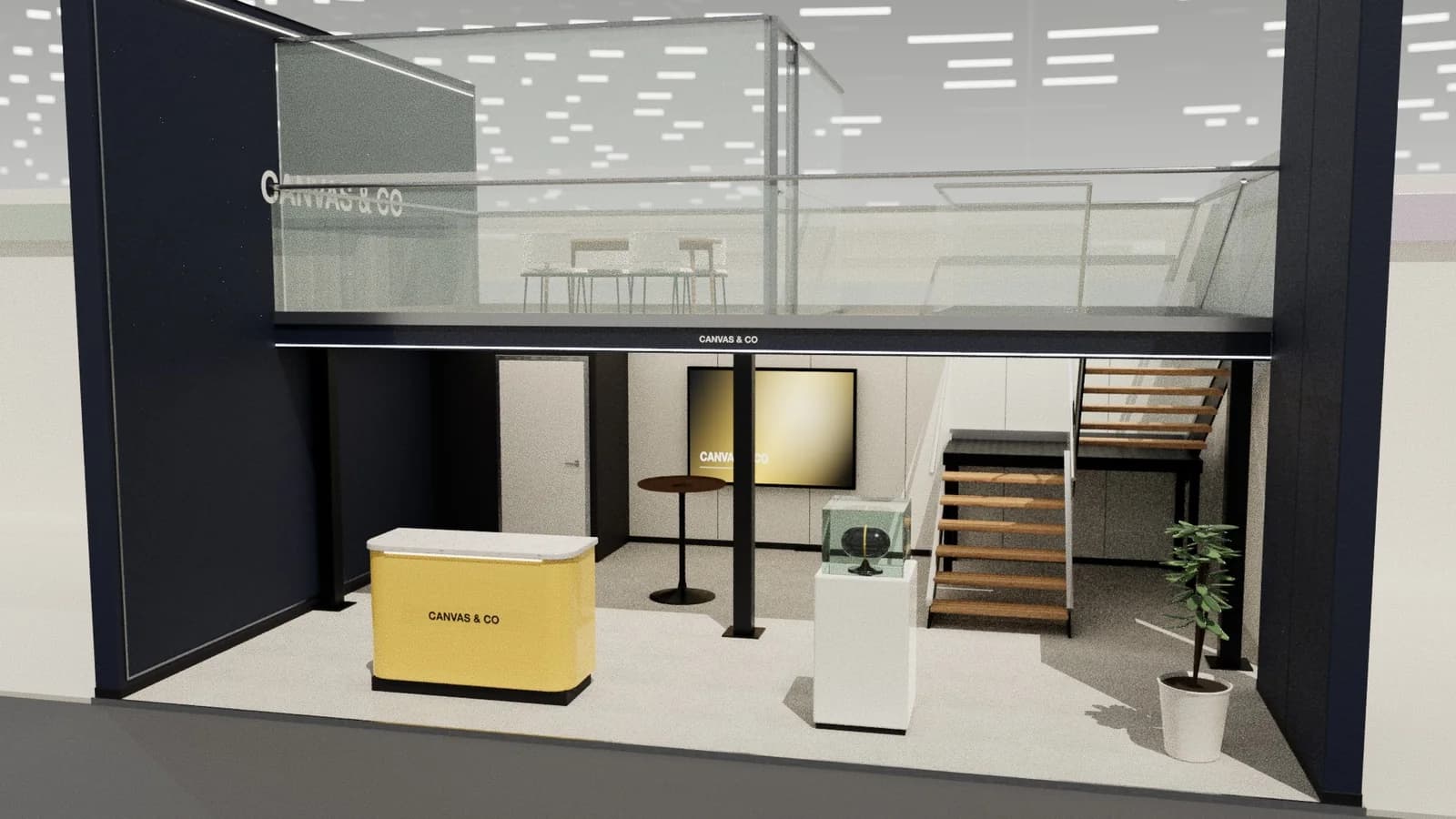
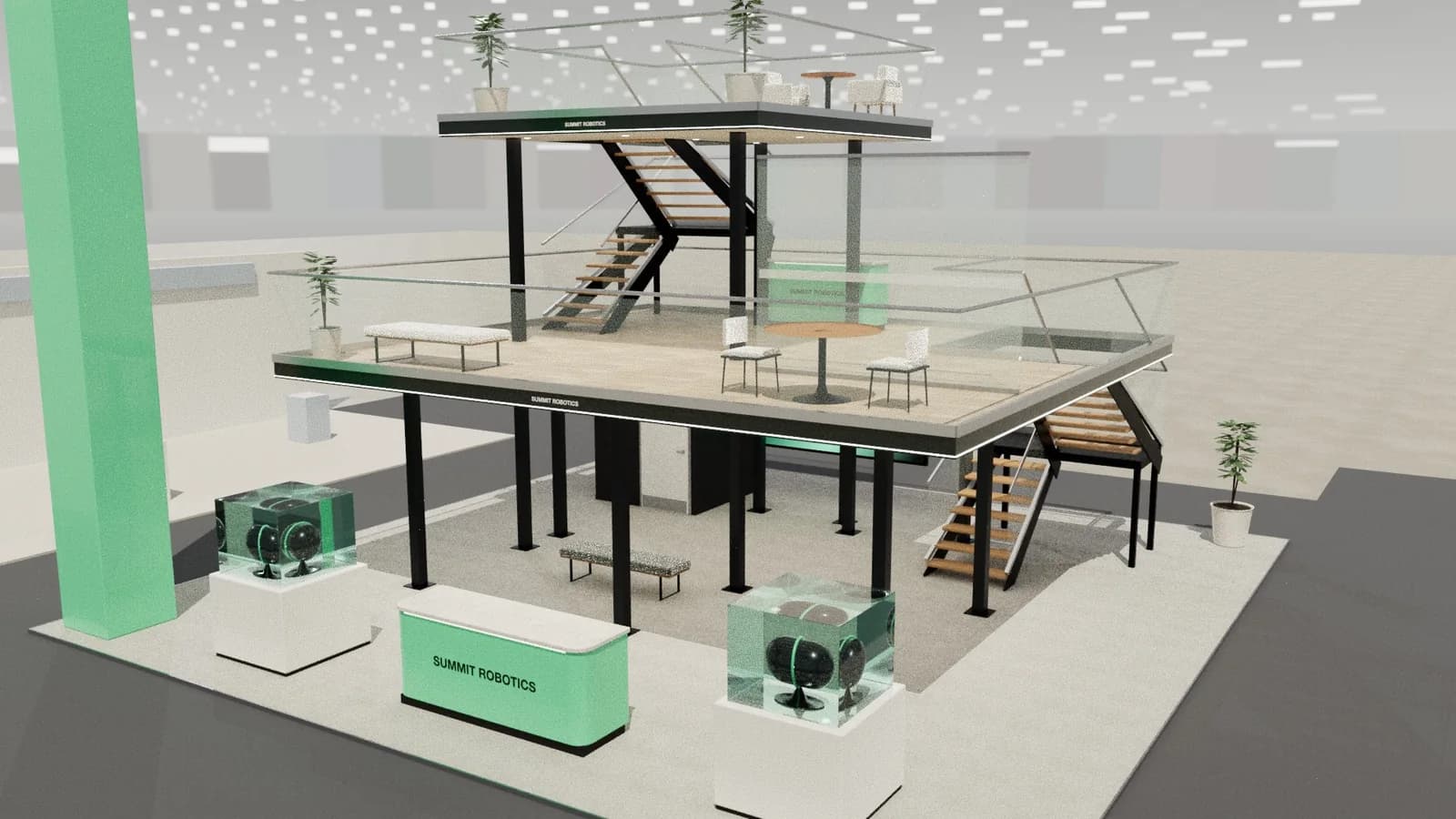
- Height and structure: tall walls, towers and especially double-deck stands need engineering, more material and longer build times.
- Rigging: hanging signs and trusses need venue rigging points, which are charged per point.
- LED walls and AV: rental of fine-pitch LED and content production can rival the cost of the walls they hang on. See LED walls on stands.
- Rooms and kitchens: closed meeting rooms, doors, ceilings and plumbing add trades and approvals.
- Late changes: anything ordered after the organiser's deadlines usually carries a surcharge.
Ways to spend less without looking cheaper
- Go modular: aluminium frame systems with fabric graphics can be reused across shows and resized; graphics are the only per-show cost. Compare in modular vs custom stands.
- Spend on what visitors see from the aisle: the brand wall, lighting and the hero product. Spend less on rear walls and storage.
- Fewer, better objects: one striking hero plinth beats six average displays.
- Order services early: early-bird deadlines for power and rigging are cheaper.
- Design for reuse: standard panel sizes and a kit of parts let next year's stand reuse this year's.
A simple way to plan the budget
- 01
Start from the objective
Estimate the value of a lead or a meeting. It sets how much the show can sensibly cost.
- 02
Fix the space cost
Space is the least negotiable item once you have chosen the stand size.
- 03
Choose the build approach
Modular, hybrid or custom, based on how many shows the stand will do.
- 04
Add services and logistics
Use the organiser's price list for electrics, rigging and internet.
- 05
Keep a contingency
10–15% for surprises: late changes, extra power, damaged graphics.
Measuring return
Divide the total show cost by the outcome you defined in the brief: cost per qualified lead, per meeting or per sale. It is the most honest way to decide whether a bigger stand next year is worth it. Track leads in a CRM rather than on paper so you can follow them to revenue.
Frequently asked questions
01How much does an exhibition stand cost?
It depends on size, build approach, height, AV and the country. A shell scheme package can cost little beyond the space, while custom space-only stands are priced from detailed drawings. Ask builders for quotes against the same plan and elevations.
02What is the biggest cost in exhibiting?
Usually the stand itself (design, build and graphics) and the space rental, which is often around a third of the total budget.
03Are modular stands cheaper?
Over several shows, usually yes: the frame is reused and only graphics are reprinted. For a single show, a well-designed custom stand can cost a similar amount.
04How can I get accurate quotes?
Give every builder the same scaled plan, elevations and object schedule, plus graphics sizes and a list of services. That way the quotes are comparable.
Put it into practice
Exhibition stand technical drawings, drawn from the 3D design
A3 plan and elevations at scale, set-out grid, object schedule and a layered AutoCAD DXF, generated from the 3D design.
Guidance here reflects common practice. Venues, organisers and countries set their own rules: always check the exhibitor manual and work with a qualified stand builder and engineer for structures.