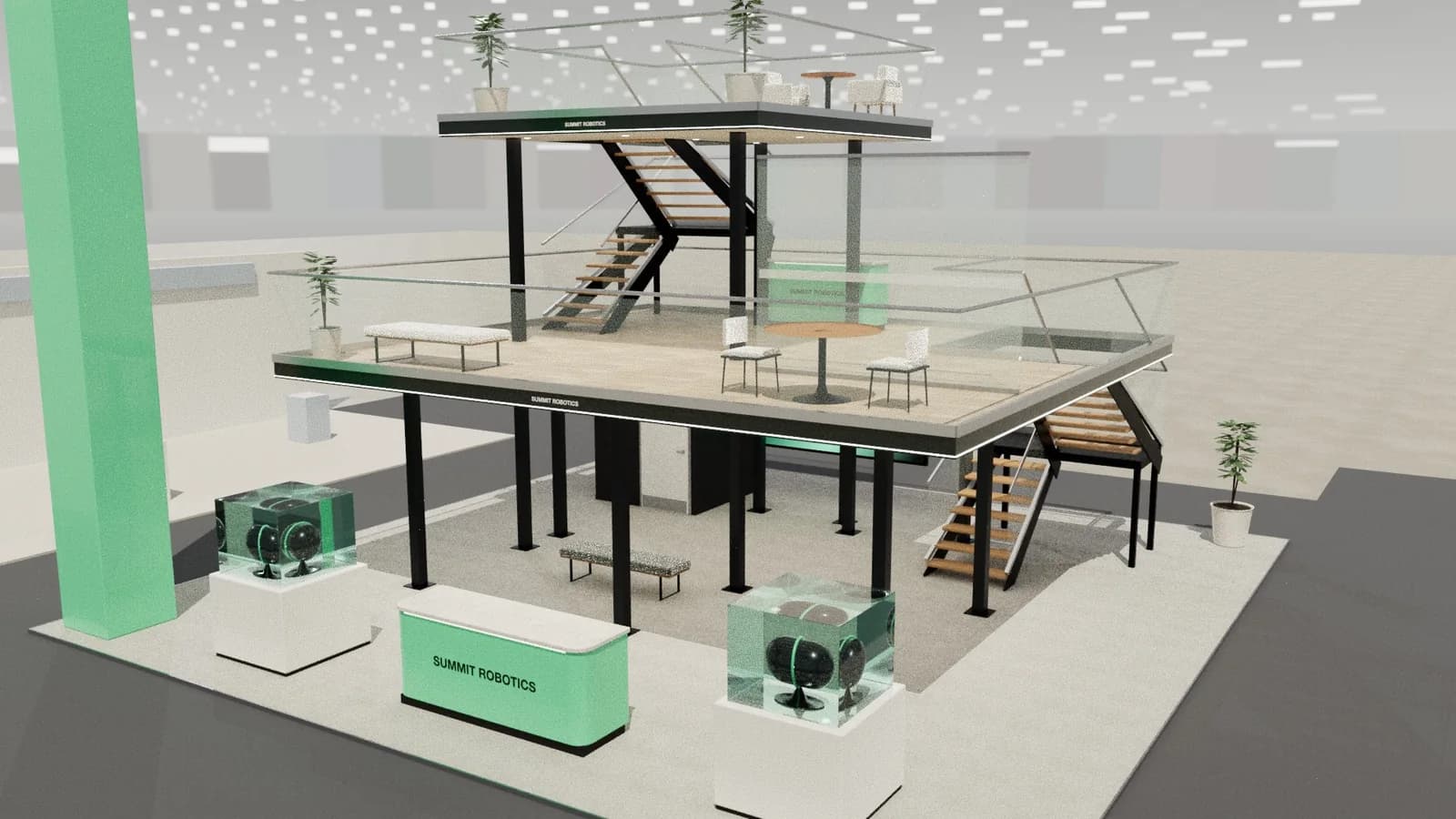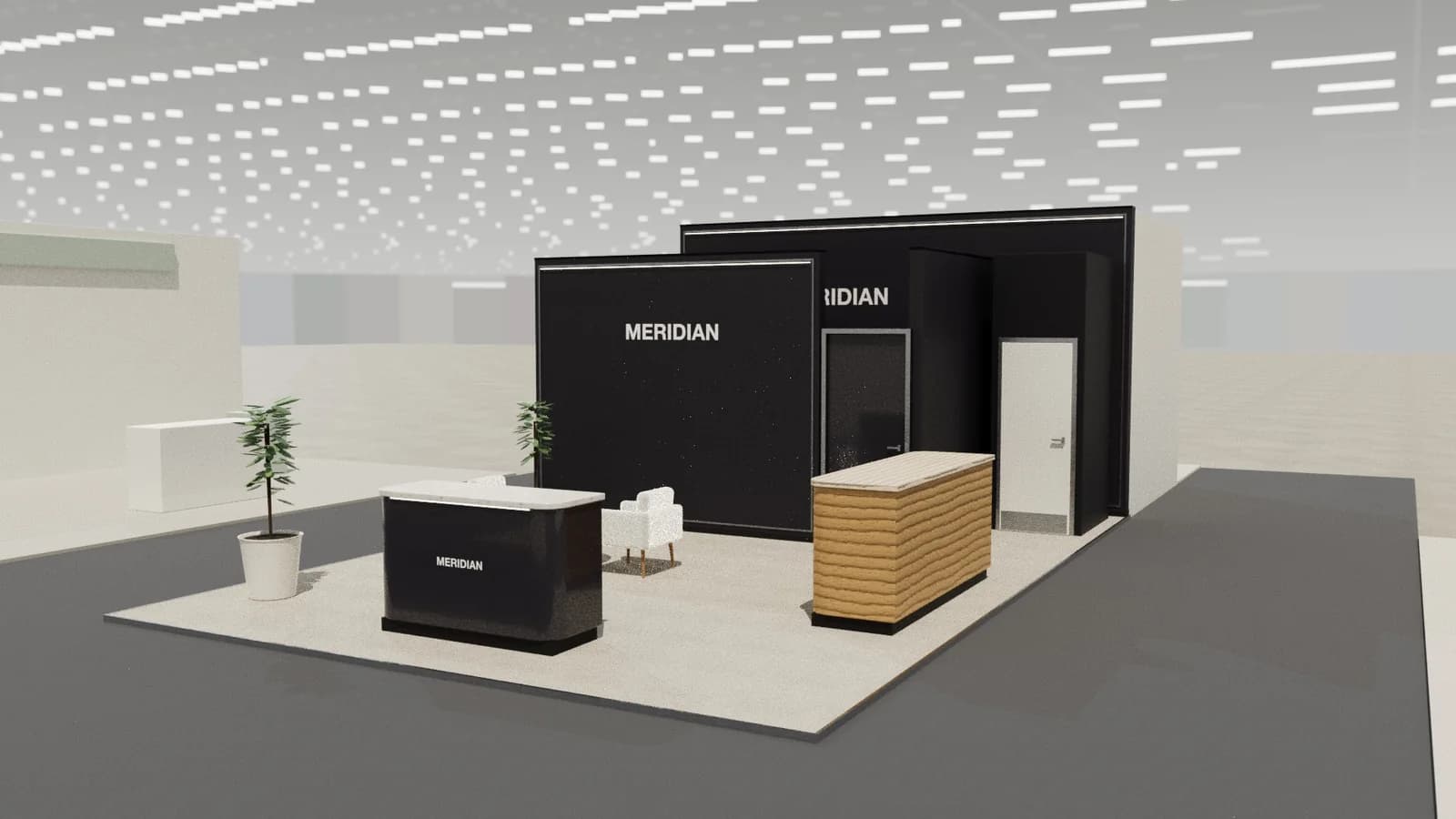
In short
An exhibition stand design brief tells designers and stand builders exactly what to design: the show and dates, the objective, the space size, stand type and height limit, the zones and products, brand guidelines, budget range, deadlines and who approves. A one-page brief with these facts makes concepts relevant and quotes comparable.
Key points
- Put hard constraints first: dimensions, open sides, height limit and deadlines.
- Name one primary objective and how it will be measured.
- List must-have zones with rough capacities ("meeting table for 6").
- Give a budget range; designers waste rounds guessing it.
- Attach brand guidelines, logos, product photos and a reference you like.
Why the brief matters
Most redesign rounds trace back to a missing fact: the stand turned out to be a corner, not a row; nobody mentioned the meeting room; the budget was half what the designer assumed. A brief written before the first sketch prevents that and makes quotes from different builders comparable, because they all price the same stand.
What to include
| Section | What to write | Example |
|---|---|---|
| Show | Event name, venue, hall, dates, build-up and break-down days | GITEX, Dubai, hall 4, 14–18 Oct, build 11–13 Oct |
| Objective | One primary objective and how you will measure it | 250 qualified leads scanned |
| Space | Width × depth, space only or shell scheme, stand number | 8 × 6 m, space only, stand H4-C20 |
| Stand type | Open sides: row, corner, peninsula or island | Corner: front and right open |
| Height | Maximum build height and any rules near aisles | 4 m max, 2.5 m within 1 m of neighbours |
| Zones | Must-haves with capacities | Reception, 3 demo points, meeting table for 6, store 2 m² |
| Products | What will be shown, sizes and weights | Two robot arms on plinths, 120 kg each |
| Brand | Guidelines, logos (vector), colours, fonts | Attached: brand book v4, logo SVG |
| Technology | Screens, power, internet, lighting effects | One LED wall, 4 demo screens, wired internet |
| Budget | Range for design and build (excluding space) | USD 60–80k |
| Approvals | Who decides, and deadlines | Marketing director; concept by 1 June |
Copy-ready brief template
Paste this into a document and fill it in. It fits on one page.
- 1Show and dates: event, venue, hall, stand number, open days, build and break-down.
- 2Objective: primary objective, secondary objective, how each is measured.
- 3Audience: who we want on the stand and what they need to see or do.
- 4Space: width × depth, space only or shell scheme, open sides, maximum height.
- 5Must-have zones: reception, demo, meeting, hospitality, storage, with capacities.
- 6Products and content: items to display, sizes, weights, power needs; screen content.
- 7Brand: guidelines, vector logos, colours, tone; references we like and dislike.
- 8Practical: staff numbers, accessibility needs, sustainability goals, reuse plans.
- 9Budget: design and build range, what is included (graphics, AV, furniture, logistics).
- 10Timeline and approvals: concept date, final design date, organiser deadlines, sign-off owner.
Common brief mistakes
- No budget: designers either over-design or under-design; give a range even if it is wide.
- Every zone is a must-have: rank them, so the designer knows what to cut on a small space.
- Style words without references: "modern" and "premium" mean different things to everyone; attach two or three images.
- Forgetting storage: coats, stock, brochures and bags need a lockable space, usually 1–3 m².
- Ignoring the venue manual: height limits, rigging rules and fire regulations constrain the design; include the key rules.
After the brief: concepts and feedback
Ask for two or three concepts that differ in idea, not just colour. Review them against the objective, not personal taste: which one gets more of the right visitors in, faster? Give feedback as problems ("the meeting area feels exposed") rather than solutions, and keep one decision-maker.
For a deeper walk-through of the whole process, read how to design an exhibition stand.
Frequently asked questions
01How long should a stand design brief be?
One or two pages is enough. What matters is that the hard facts are there: size, stand type, height, zones, budget and deadlines.
02Should I include a budget in the brief?
Yes. A range such as "USD 40–60k for design and build" lets the designer choose the right build approach and saves rounds of redesign.
03What references should I attach?
Two or three photos of stands you like, one you dislike, your brand guidelines, vector logos and photos of the products you will show.
04Can AI turn my brief into a design?
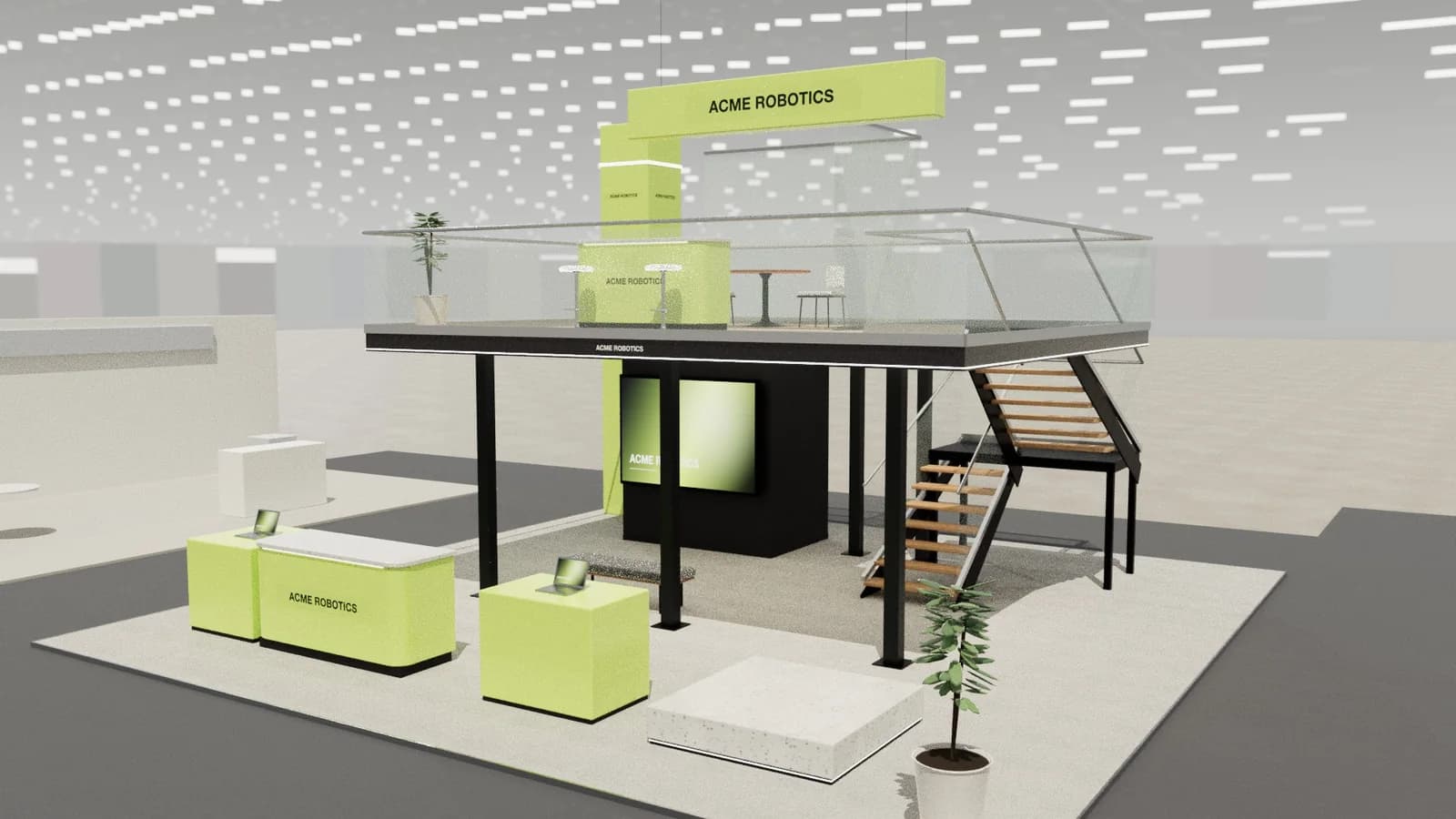
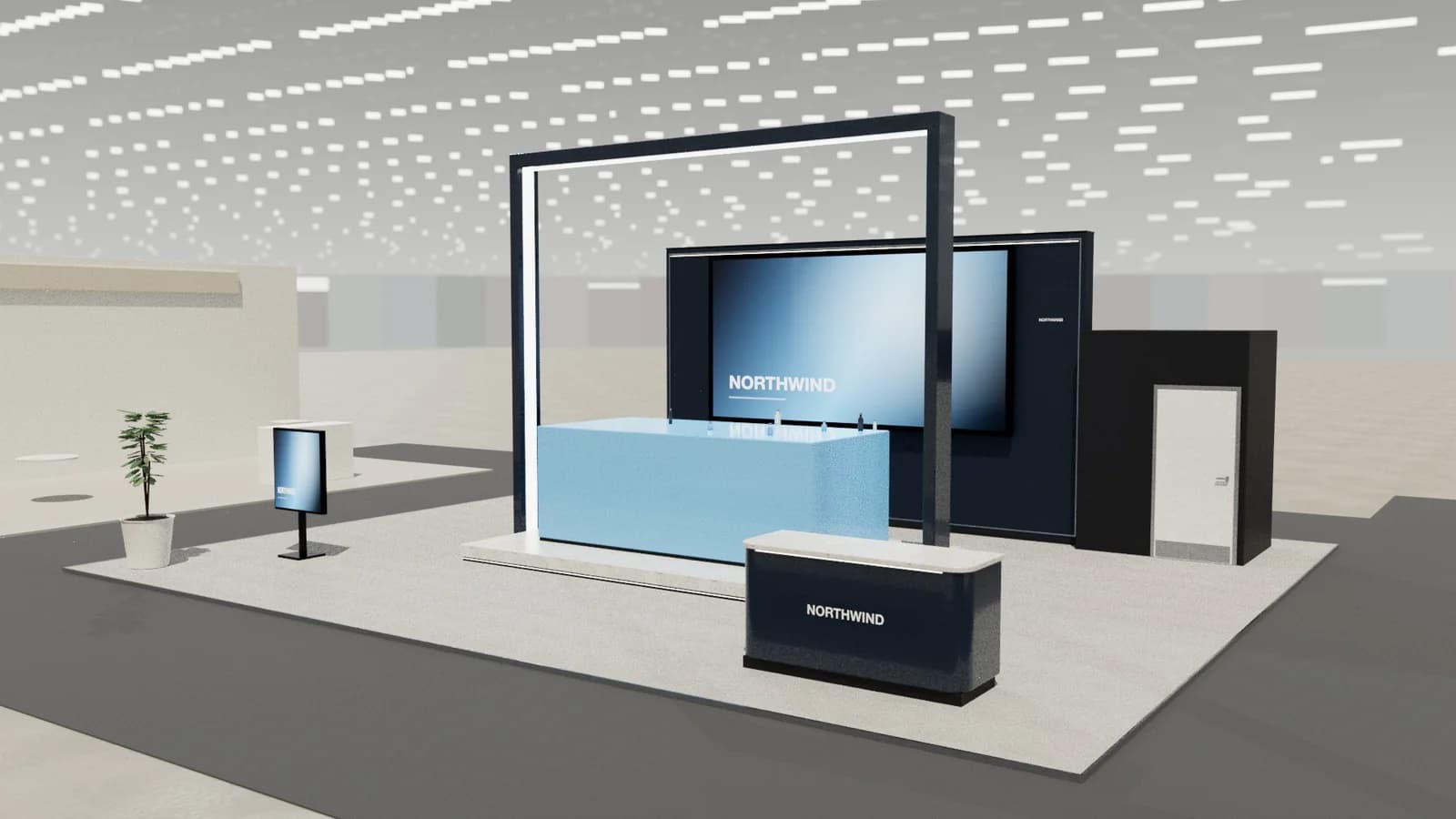
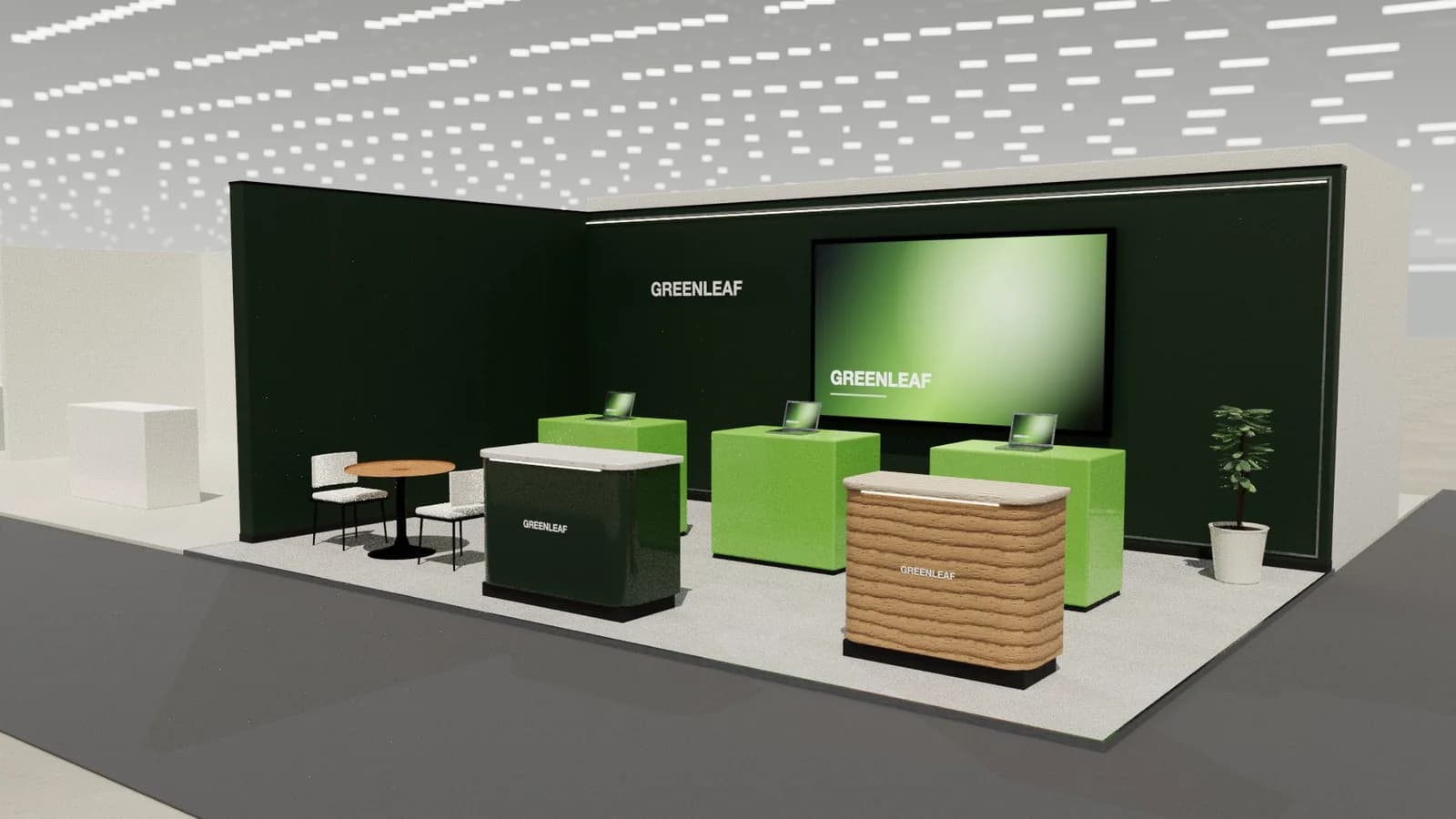
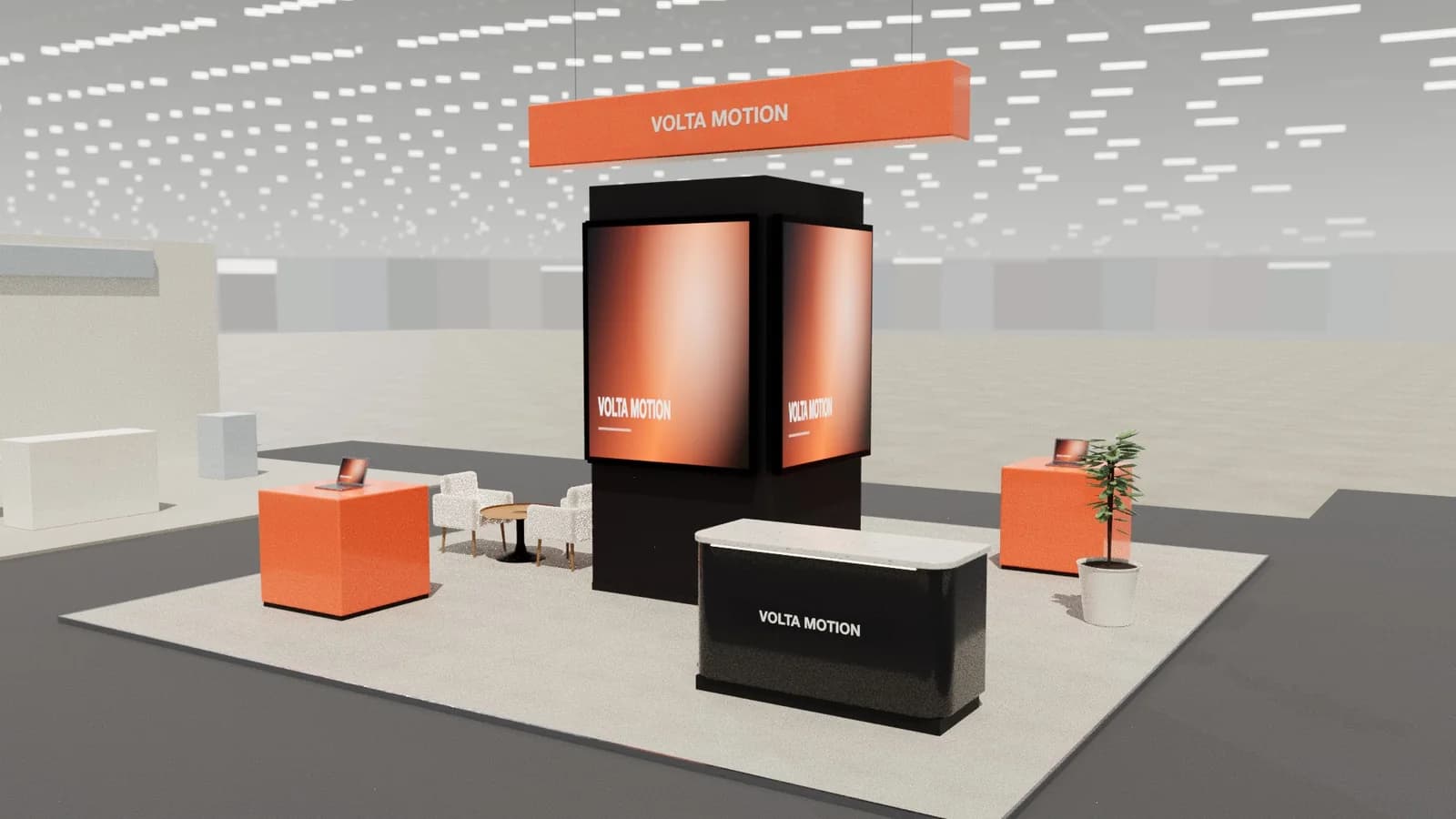
Yes. Tools such as ExhibitionBase Studio read the brief and the brand's website and generate 3D stand concepts at your exact size, which you can then edit, render and export as drawings.
Put it into practice
From a client brief to three 3D stand concepts in minutes
Three editable 3D exhibition stand concepts from a written brief and the brand's website, at your exact size.
Guidance here reflects common practice. Venues, organisers and countries set their own rules: always check the exhibitor manual and work with a qualified stand builder and engineer for structures.