In short
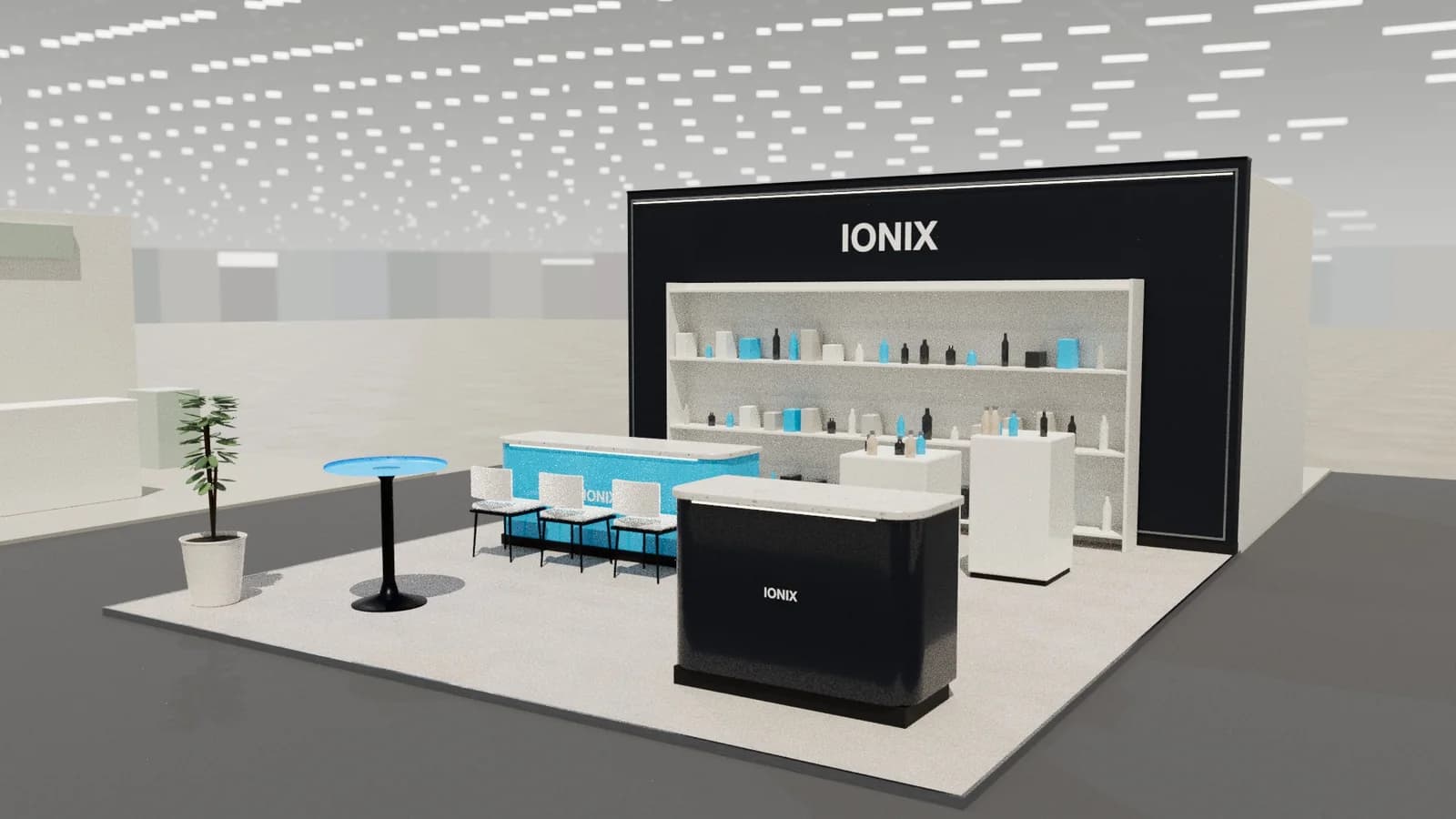
A beauty booth sells through touch and colour, so it needs a testing bar with mirrors and colour-accurate lighting, well-lit product walls at eye level, seats for consultations or treatments, hygiene stations and storage for stock. Use high-CRI light (90+), soft materials and a calm palette that lets the products' colours lead.
Key points
- Testing bar with mirrors at seated and standing heights.
- CRI 90+ lighting so skin and products look true.
- Product walls lit from within or above, at eye level.
- Hygiene: testers, wipes, a sink if possible.
- Plenty of storage for stock and samples.
The testing bar
- Counter at about 0.9–1.05 m with stools, or a standing bar.
- Mirrors with front light (not from above) to avoid shadows on faces.
- Tester trays, wipes, a small sink or hand-sanitising point.
Colour-true lighting
Skin tones and shades must look the same on the stand as at home. Use high colour-rendering LEDs (CRI 90+), mostly at 3000–4000 K, and light faces from the front. See stand lighting.
Zones
| Zone | Notes |
|---|---|
| Product wall | Lit shelves at 0.9–1.8 m, hero products at eye level |
| Testing bar | Mirrors, testers, hygiene |
| Consultation | Seats or chairs with a small table, slightly private |
| Store | Stock, samples and bags behind a door |
Designing the experience
- A clear journey: discover on the product wall, try at the testing bar, consult, then buy or sample.
- Mirrors at both standing and seated heights.
- Soft materials and calm colours that let product packaging stand out.
- Photo-friendly moments: a branded backdrop or mirror for social sharing.
Layout tips
Keep the testing bar where it is visible from the aisle, because people trying products attract others; a busy bar is the best advertisement a beauty stand has. Put consultation seats deeper in the stand with a little privacy, and the store close to the testing bar so testers and samples can be restocked without crossing the stand.
Trade versus consumer shows
At trade shows, buyers want to see ranges, pricing and merchandising ideas: show a mock retail fixture or shelf as it would appear in store, and give buyers somewhere to sit and talk terms. At consumer shows, the testing bar and sampling dominate, and the stand must handle crowds and sales. Many brands design one stand that flexes between the two with movable fixtures.
Frequently asked questions
01What lighting is best for a cosmetics booth?
High-CRI (90+) LED, around 3000–4000 K, with front lighting at mirrors so faces have no harsh shadows.
02How do I keep testers hygienic at a show?
Disposable applicators, wipes, sanitiser and, where possible, a sink, with staff managing testers.
03How much storage does a beauty booth need?
More than most: samples, stock and gift bags. Plan a store of 2–4 m² on medium stands.
04What materials suit a beauty stand?
Soft, light materials such as pale timber, matte lacquer, frosted acrylic and fabric, with gloss reserved for product displays so packaging stands out.
05Should I sell products on the stand?
If the show allows it, a small sales point near the exit of the testing journey works; check organiser rules.
Put it into practice
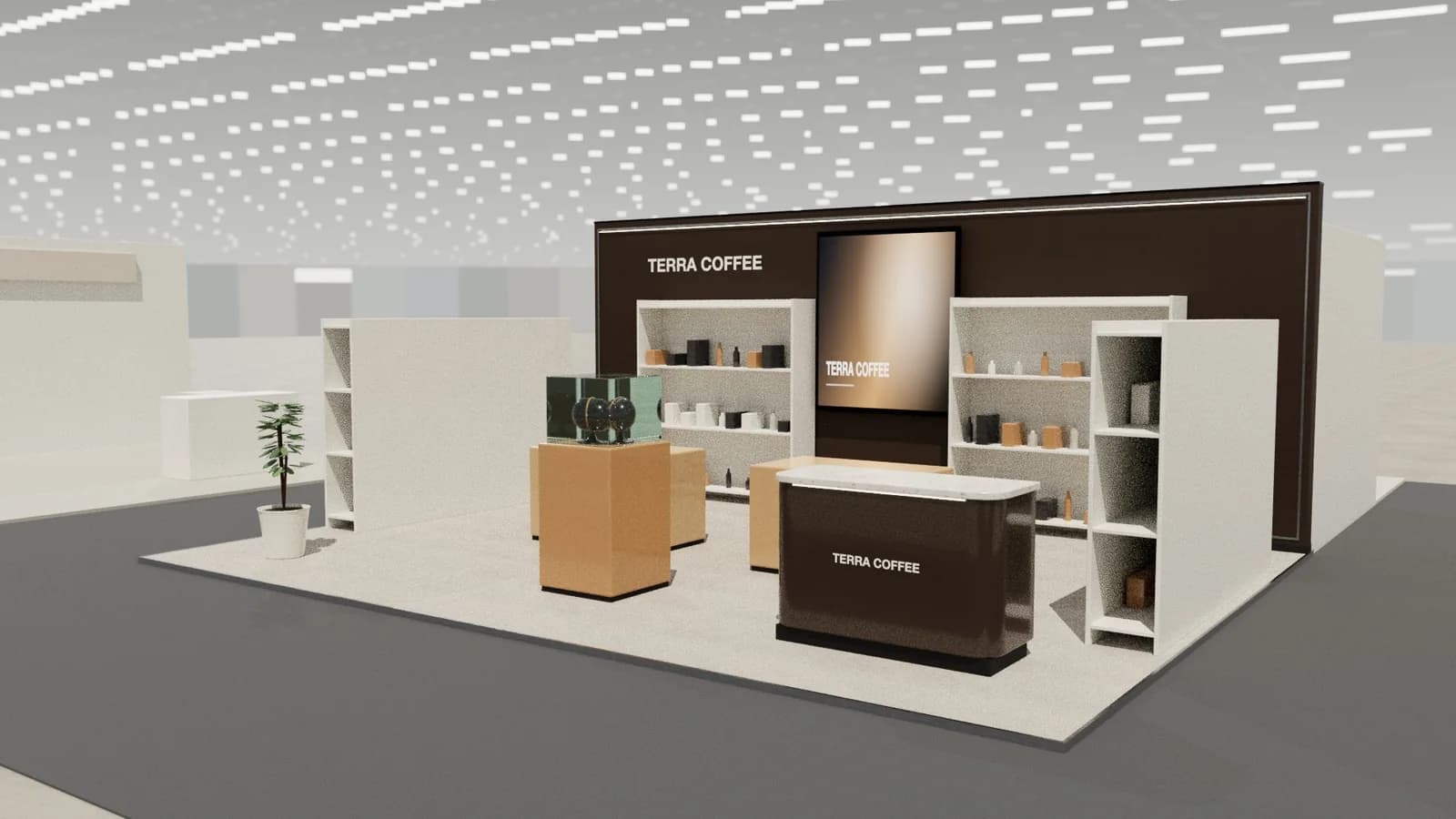
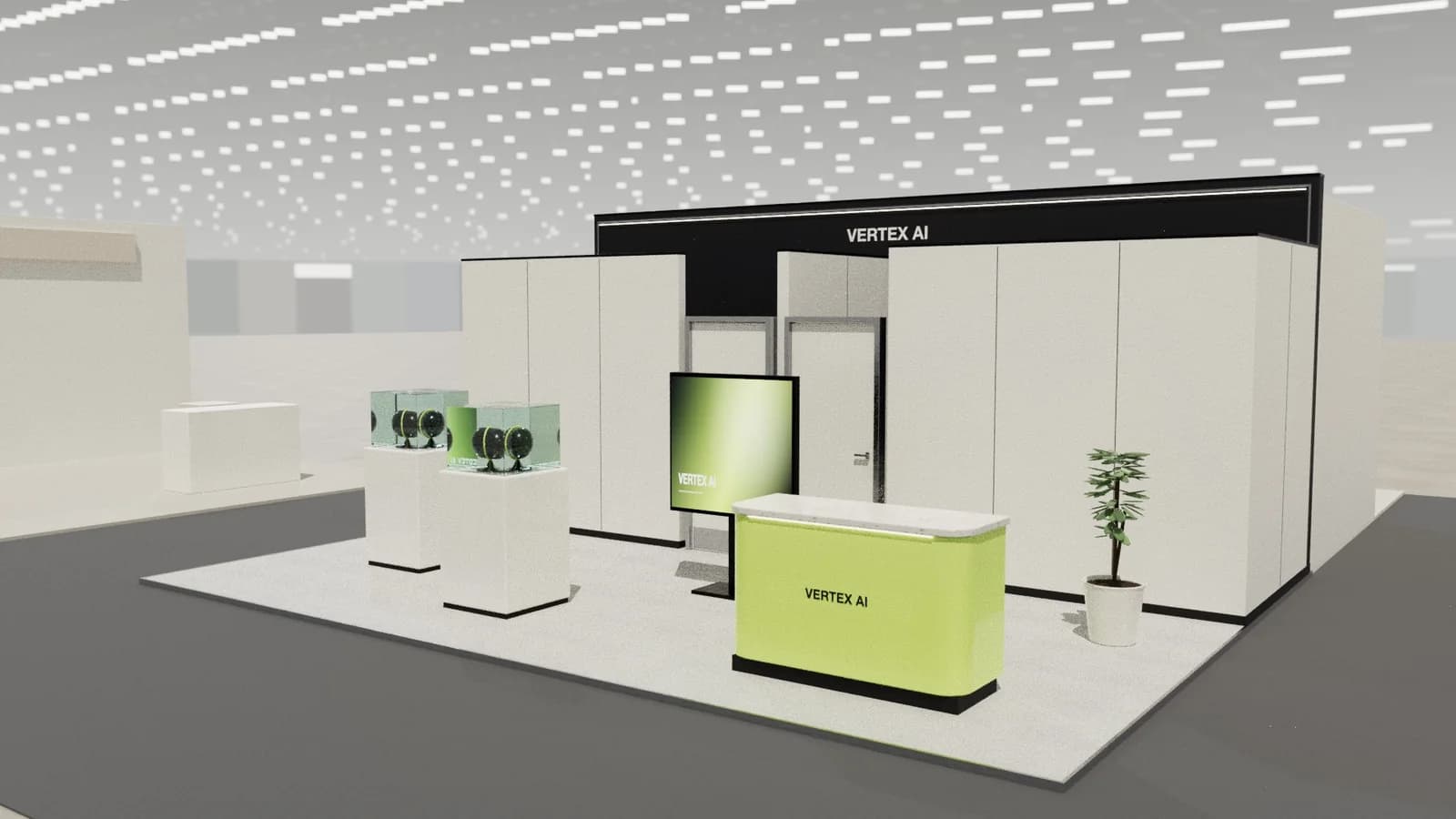
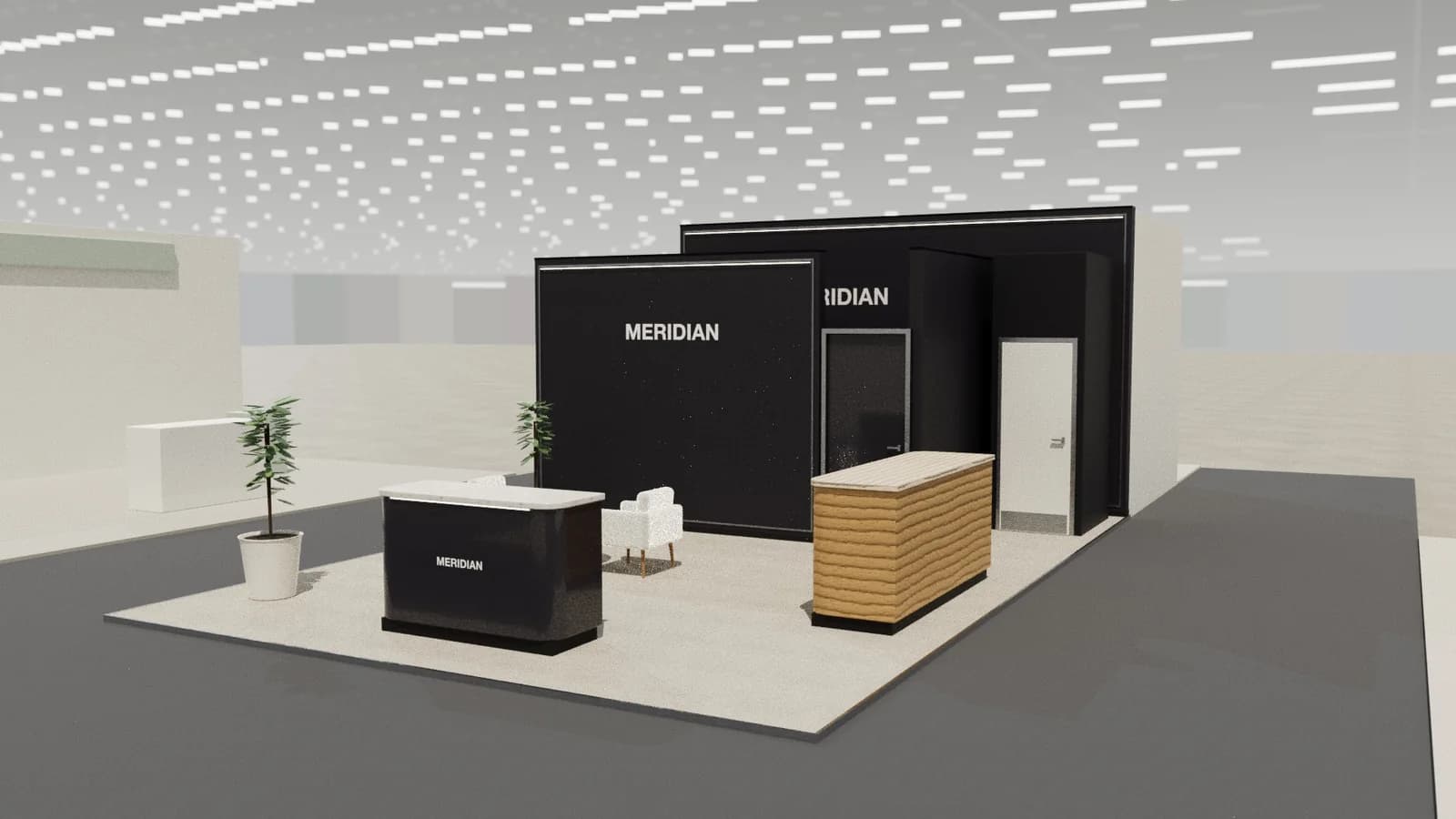
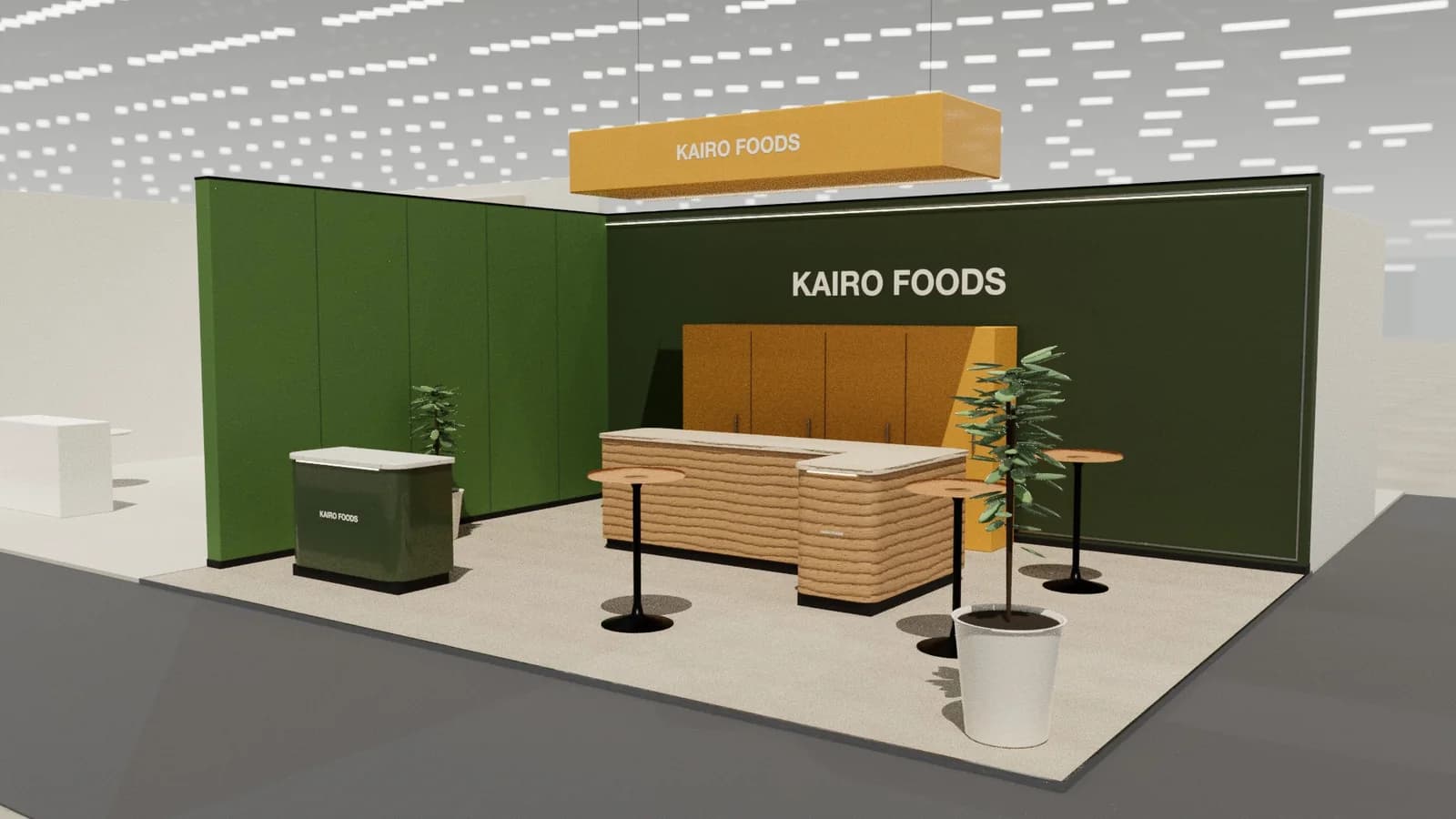
Booth renders that start from the brief, not a blank prompt
Photoreal exhibition booth renders made from a dimension-controlled 3D model, with the brand's colours and logo.
Guidance here reflects common practice. Venues, organisers and countries set their own rules: always check the exhibitor manual and work with a qualified stand builder and engineer for structures.