In short
A toy fair stand is for buyers, not children. Show the range with clear ages, prices and retail formats, let buyers play, and keep next season's unreleased lines in a closed area. Colour and character can be loud, but the stand still needs order: a buyer must be able to find the bestseller.
Key points
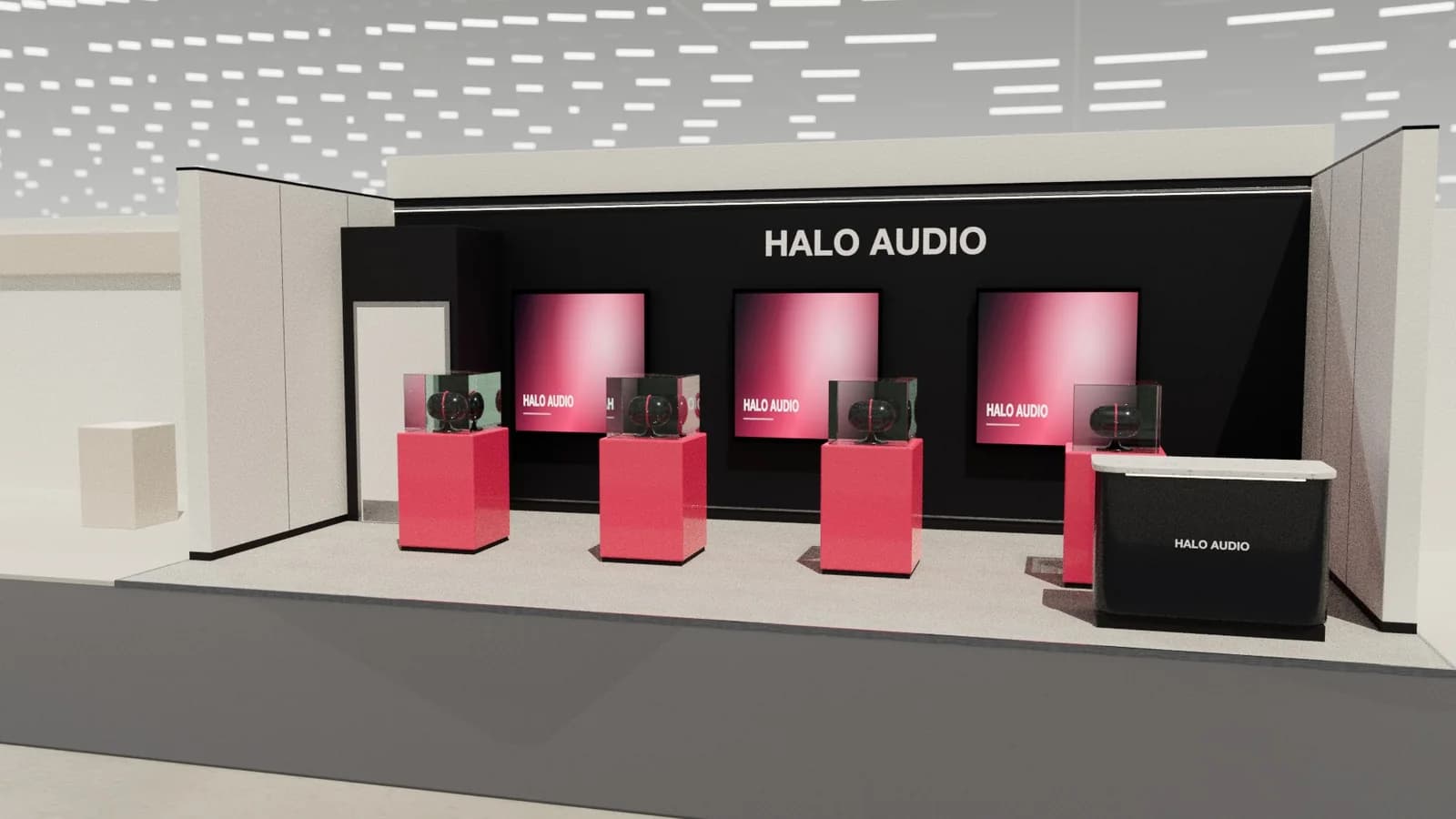
- Hero display, Range wall, Play table, Closed showroom are the core zones.
- Avoid: leaving unreleased products in view.
- Avoid: designing for children, not buyers.
- Avoid: no retail packaging on show.
- See the template and trade show guides linked below for toy and games companies.
Who visits and what they want
Toy retailers, wholesalers, licensors and manufacturers, on a tight buying schedule.
What to show
Product ranges in retail packaging, playable samples and licensed lines, shown with shelf-ready units.
Zones for a toy and games stand
| Zone | Purpose | Where it goes |
|---|---|---|
| Hero display | New range | Front |
| Range wall | Full line by age | Back wall |
| Play table | Hands-on testing | Centre |
| Closed showroom | Unreleased lines | Rear |
On a 3 × 3 m stand, keep the first two zones and book meetings elsewhere. From about 36 m² every zone fits; see stand sizes for what fits at each size.
Materials, lighting and graphics
Bright and character-led, but with a clear structure, shelf height and prices. Lighting should keep colours accurate.
For detail on light levels and colour rendering, see stand lighting; for wall graphics, see graphics and branding.
Starting conversations and capturing leads
Hand the buyer a toy and step back. Then ask about shelf space and what sold last year. Keep the order pad nearby.
Rules and practicalities
Toy safety marks and age ratings must be correct. Licensed characters come with brand rules, so allow time for licensor approvals.
Venue rules on height, open sides, fire safety and services still apply; see venue approval.
Common mistakes
- Leaving unreleased products in view.
- Designing for children, not buyers.
- No retail packaging on show.
Trade shows for toy and games companies
Show-specific guides: Spielwarenmesse, gamescom. For more, see stand design by trade show.
Frequently asked questions
01How do I protect new products at a toy fair?
Use a closed room with appointments, and take care with photos on the stand.
02Do toys need licensor approval for stand graphics?
Licensed characters usually do. Build in time for it.
03What size stand does a toy and games exhibitor need?
Size to the activities: about 9 m² for one conversation point, 18–36 m² to add demos and a meeting table, and 50 m² or more for meeting rooms and hospitality. See [stand sizes](/guides/topics/exhibition-stand-sizes).
04Can AI design a toy and games booth?
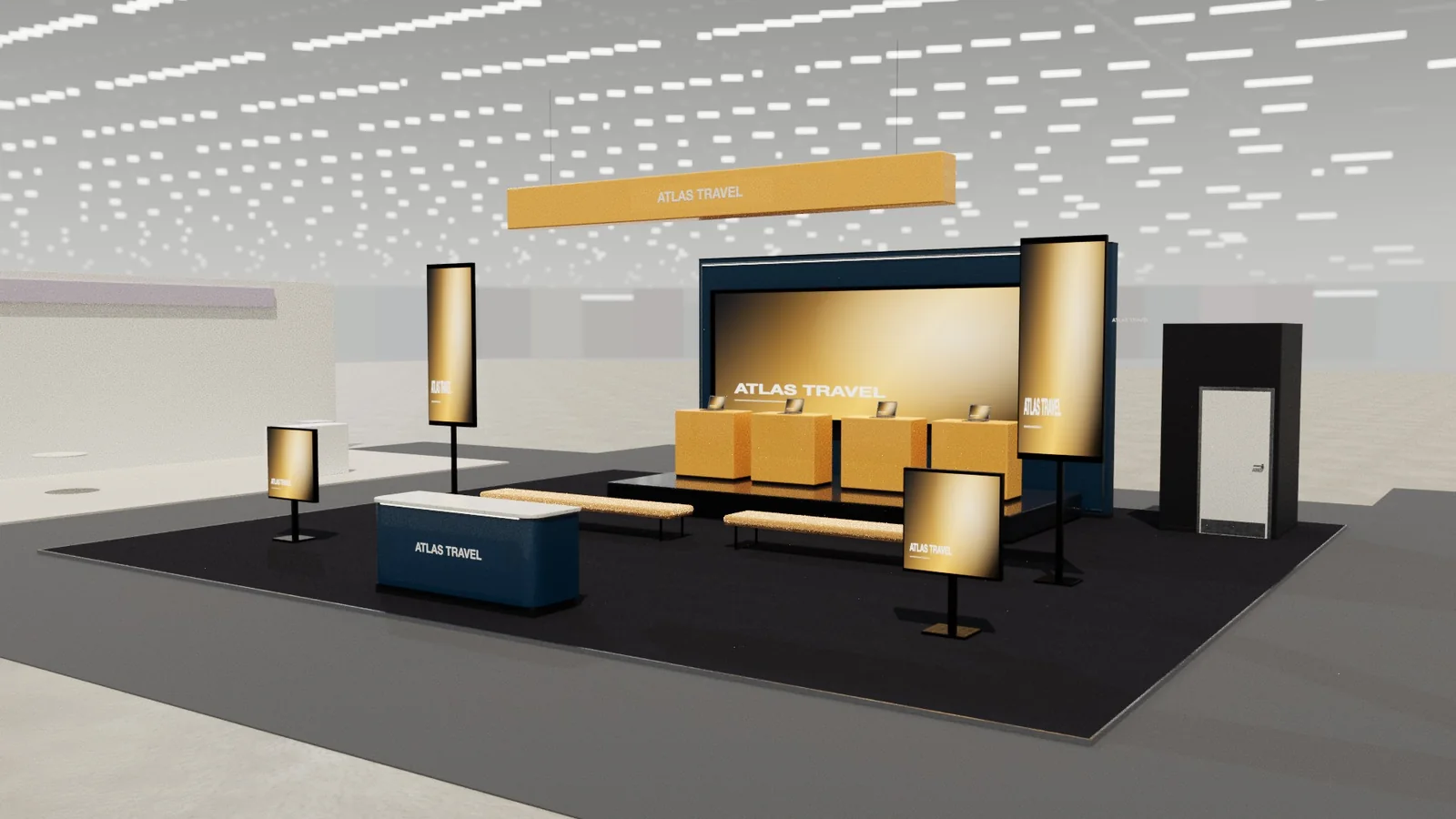
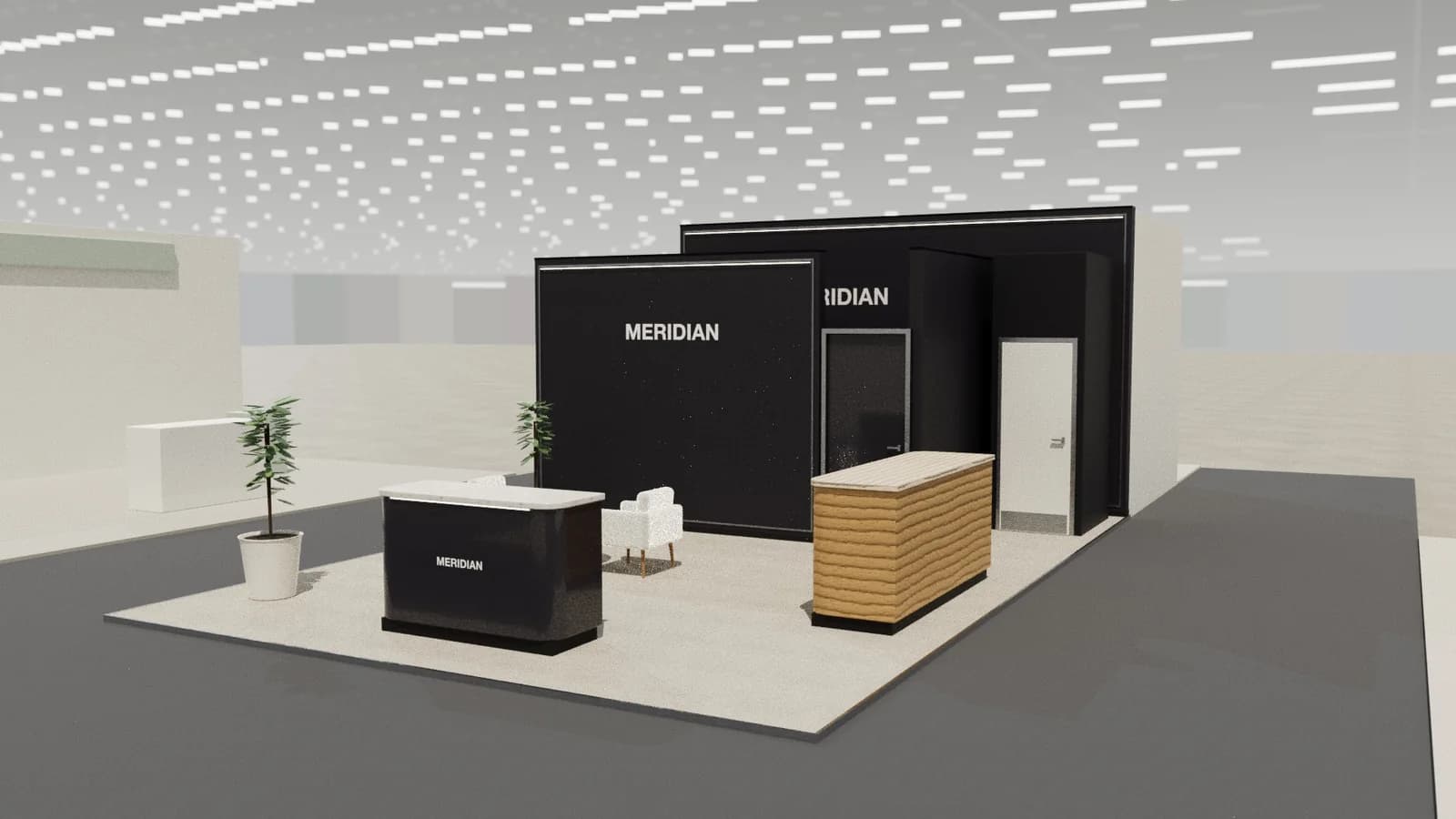
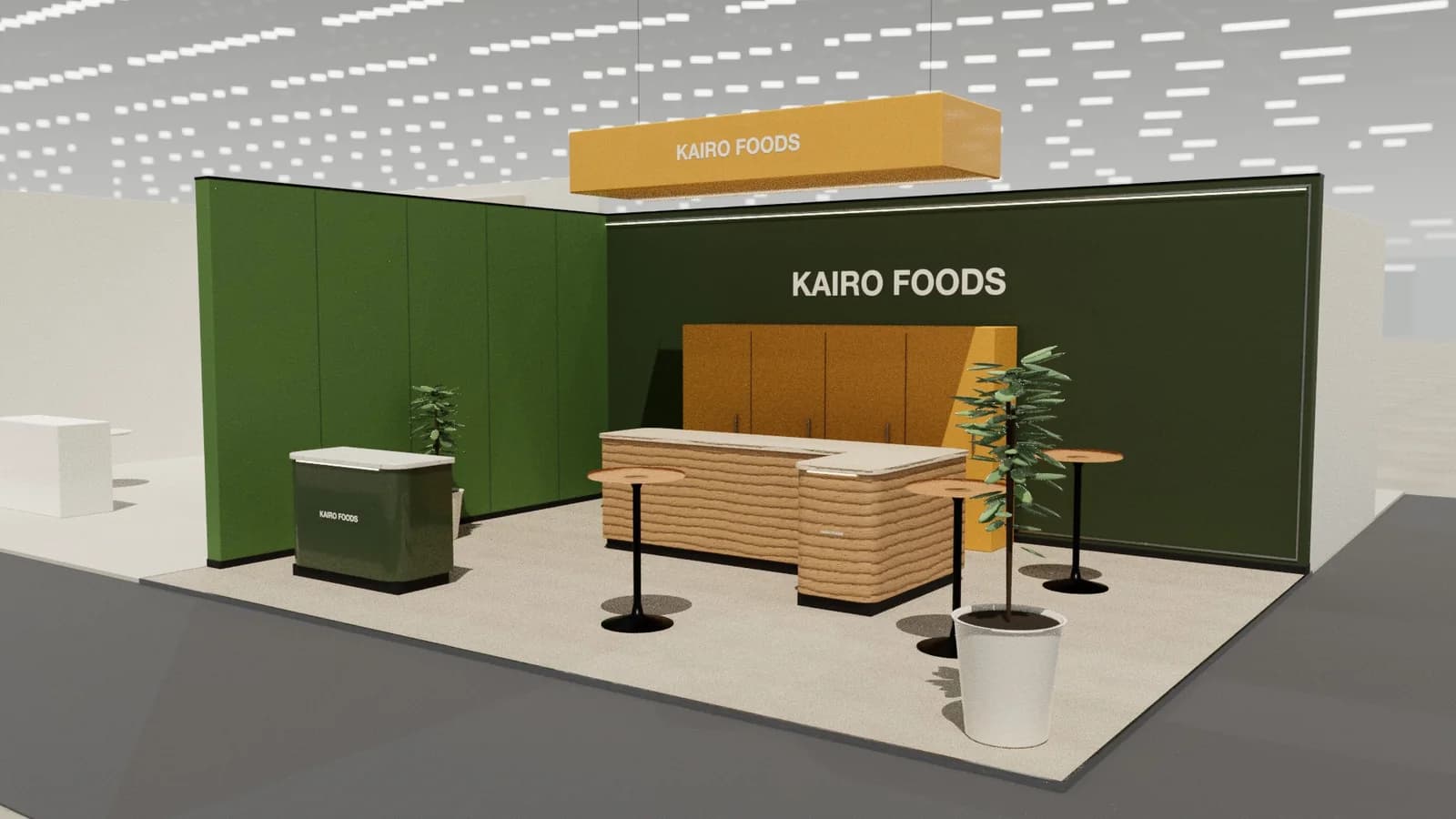
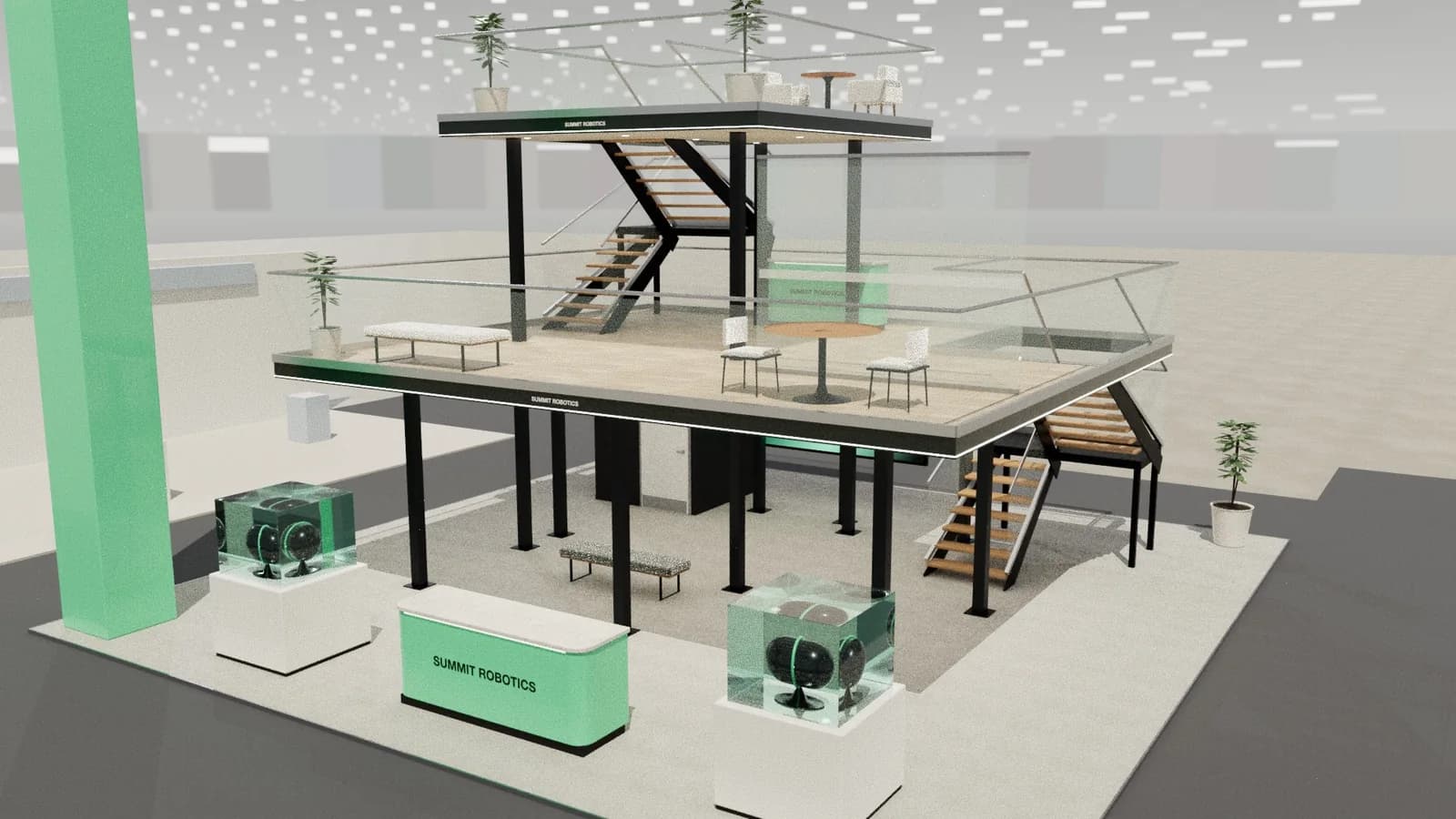
AI can produce a complete concept quickly: [Studio](/ai-booth-designer) lays out the zones above at real scale and renders the result. A stand builder still checks structure, services and compliance before building.
Put it into practice
Design your trade show booth in 3D before you brief the builder
Design a trade show booth in 3D at your exact booth size, from a 10x10 inline to a 20x20 island, with renders and drawings for your builder.
Guidance here reflects common practice. Venues, organisers and countries set their own rules: always check the exhibitor manual and work with a qualified stand builder and engineer for structures.