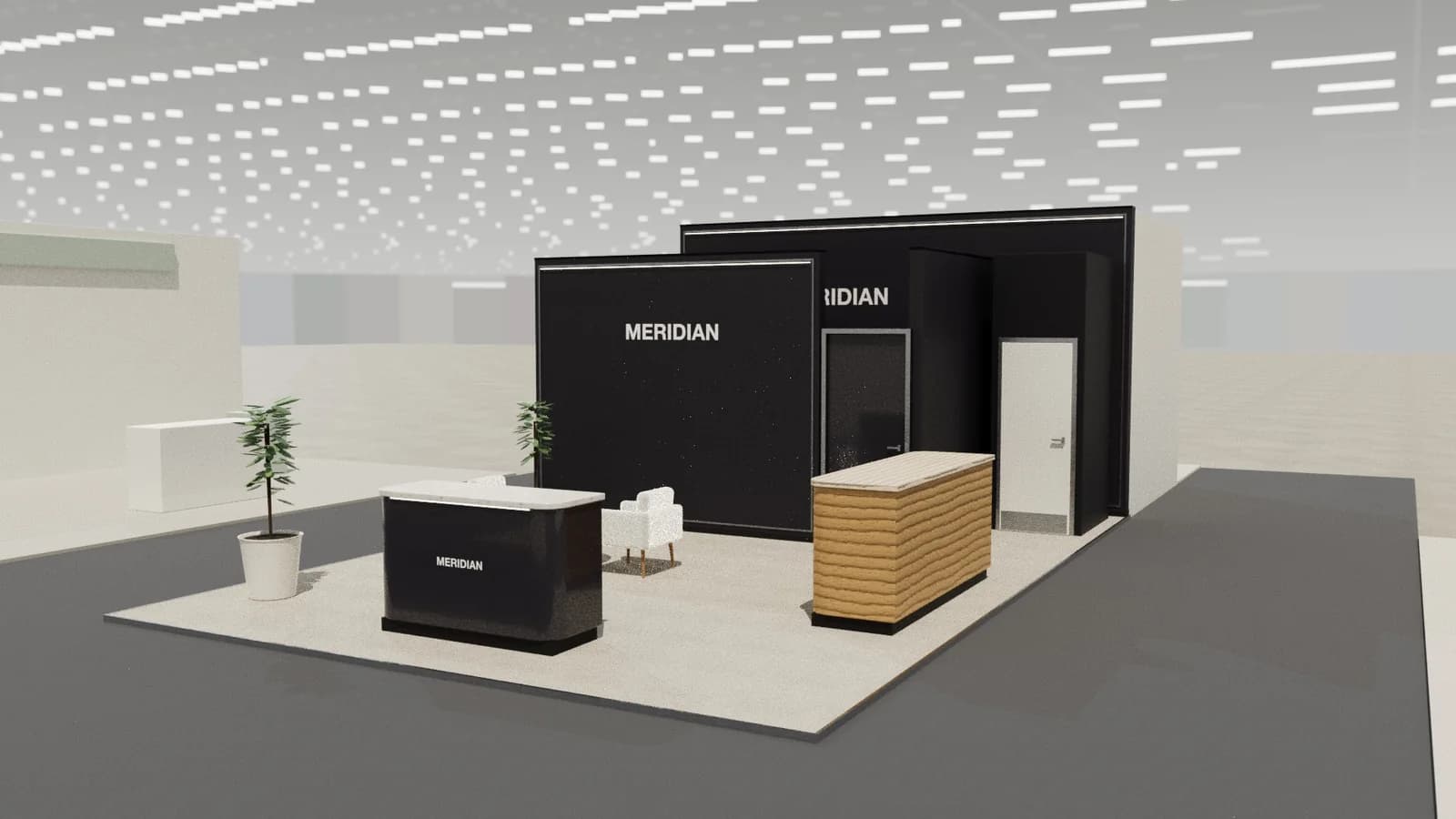
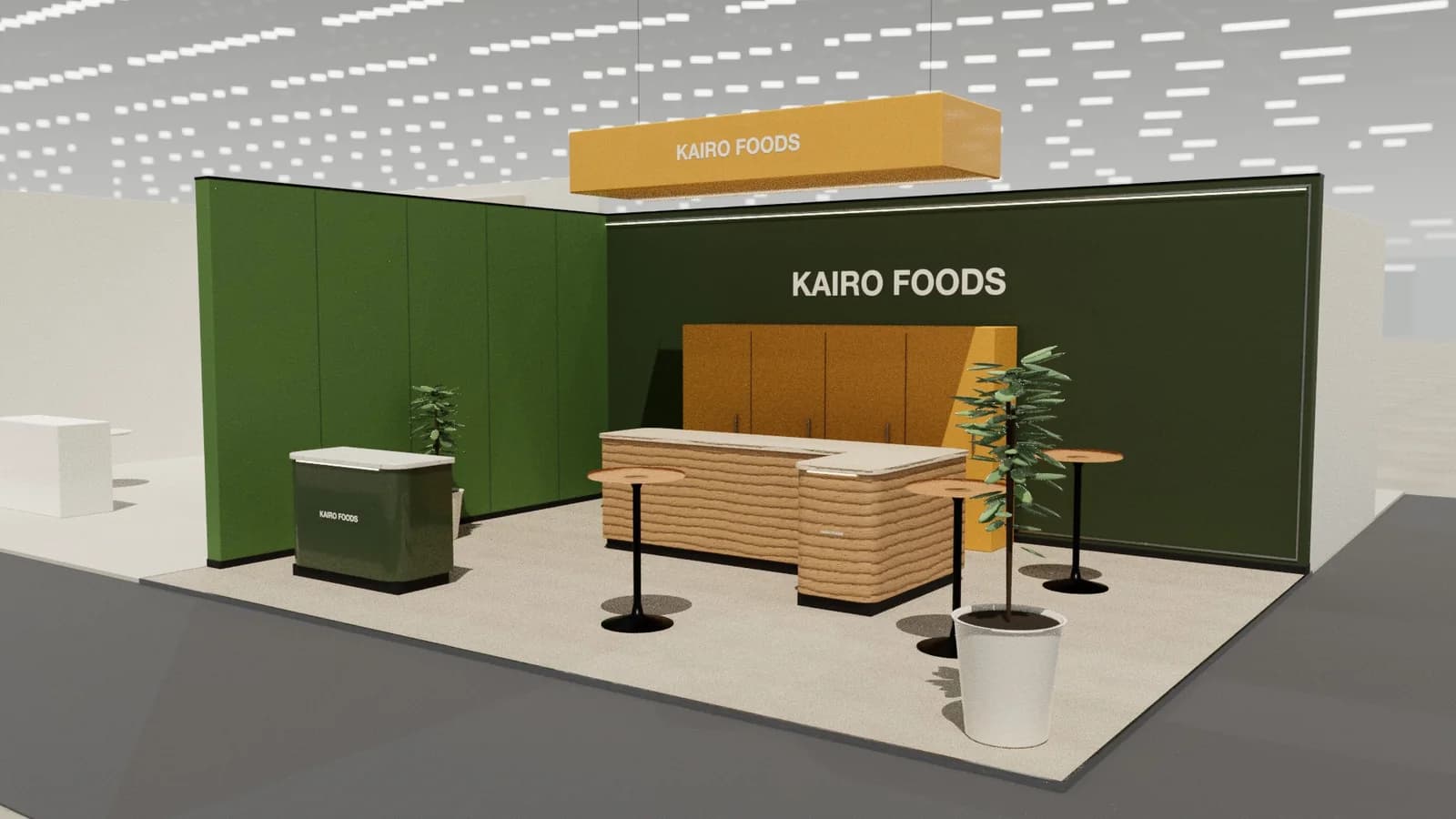
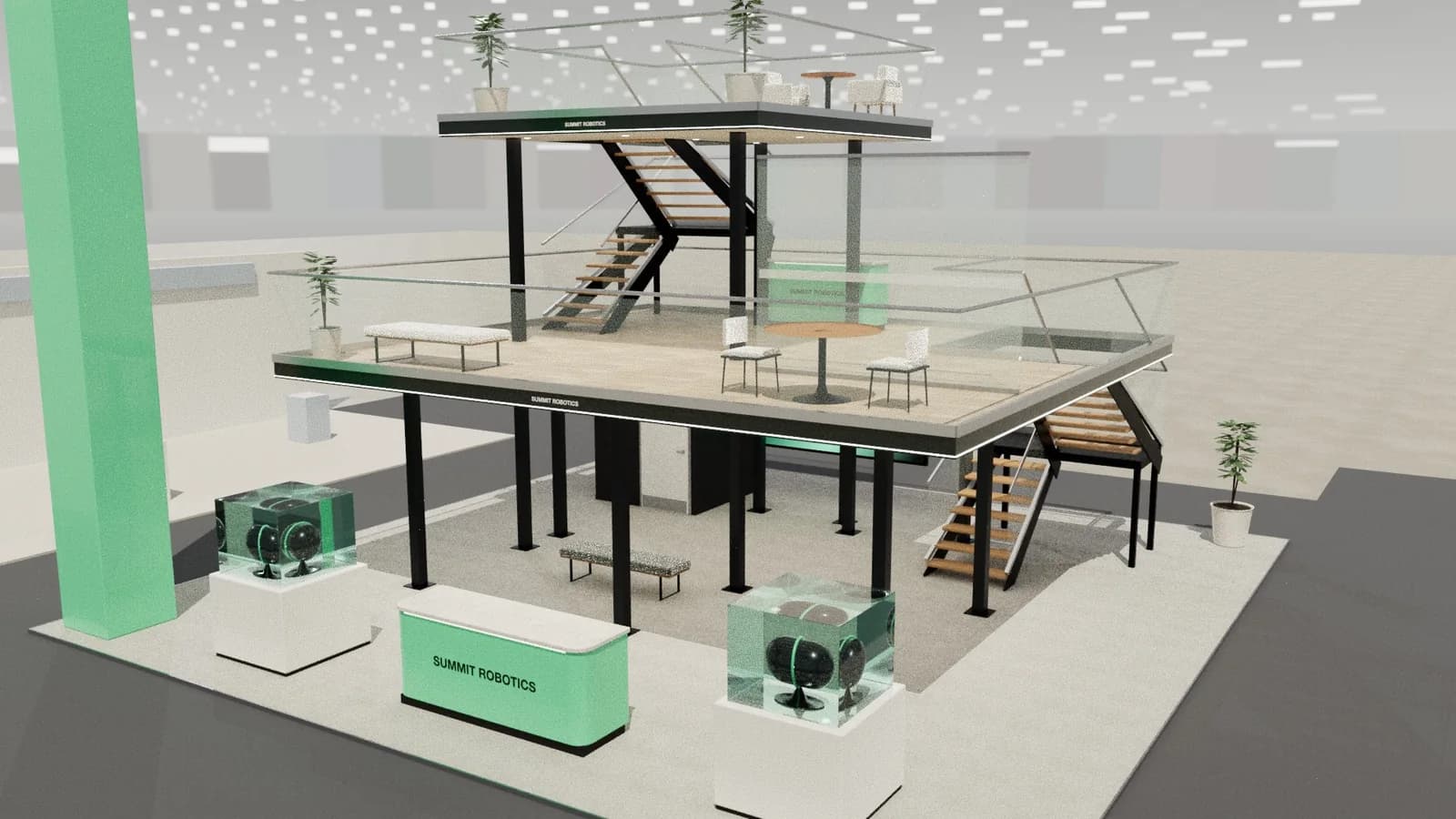
In short
Hospitality and foodservice stands sell how things work in a busy kitchen or hotel. Run the equipment, cook or pour something, and let chefs, hoteliers and distributors try it. The layout depends on services: gas, water, extraction and high-power supplies decide where a working line can go, so plan those first.
Key points
- Live station, Tasting area, Equipment line, Distributor meeting are the core zones.
- Avoid: a cold kitchen at a show about food.
- Avoid: no sink or waste plan.
- Avoid: forgetting power for coffee machines.
- See the template and trade show guides linked below for hospitality and foodservice suppliers.
Who visits and what they want
Chefs, hotel and restaurant owners, procurement managers, foodservice distributors and interior designers.
What to show
Ovens, coffee machines, refrigeration, tableware, hotel textiles and hospitality software, usually in working condition.
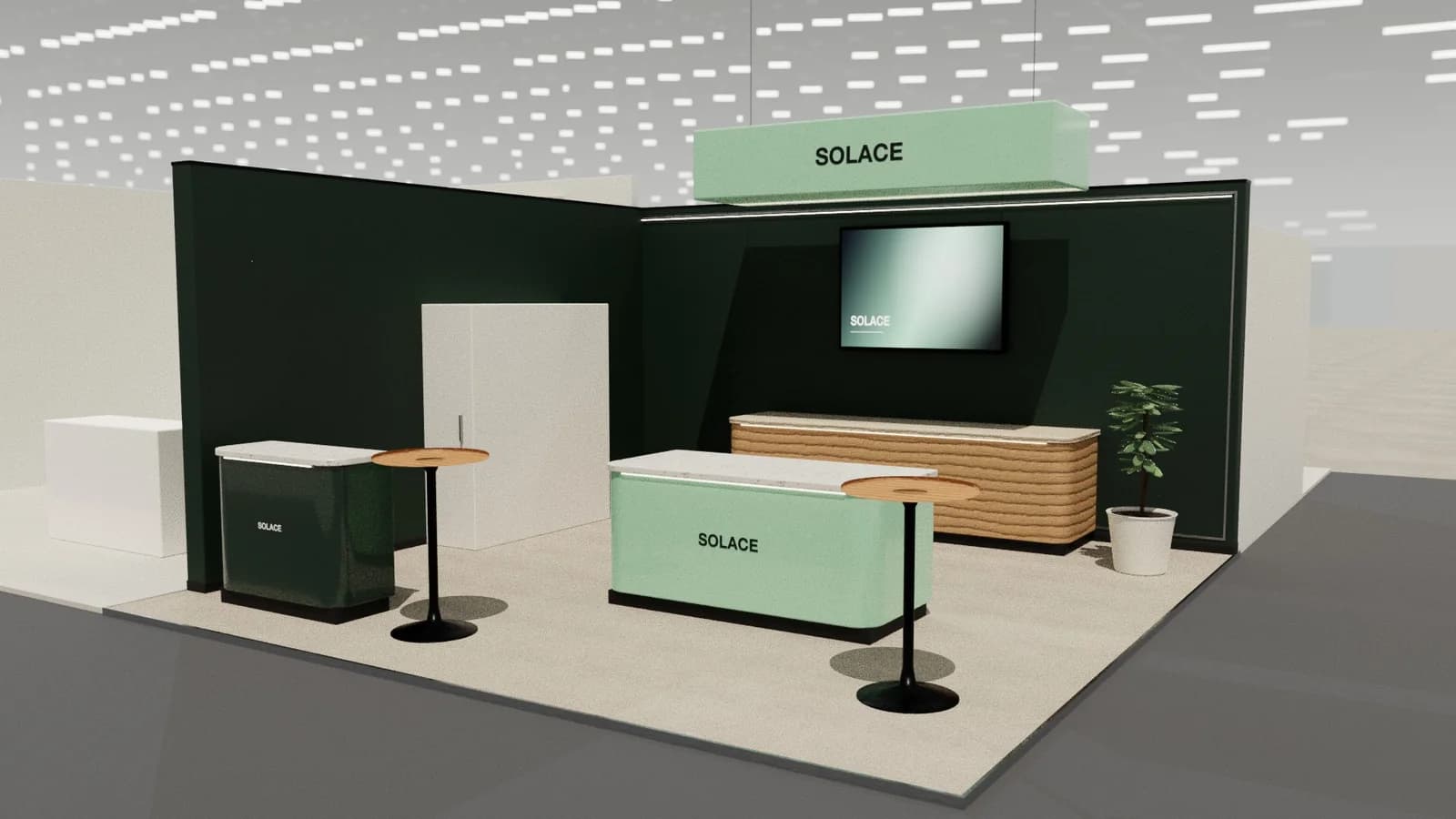
Zones for a hospitality and foodservice stand
| Zone | Purpose | Where it goes |
|---|---|---|
| Live station | Cooking or coffee | Front corner |
| Tasting area | Standing tasting | Next to the station |
| Equipment line | Quiet working examples | Side |
| Distributor meeting | Pricing and terms | Rear |
On a 3 × 3 m stand, keep the first two zones and book meetings elsewhere. From about 36 m² every zone fits; see stand sizes for what fits at each size.
Materials, lighting and graphics
Stainless, timber and tile suggest a real kitchen. Warm lighting flatters food, and clean surfaces signal hygiene. Keep the back of house tidy, as it is often in view.
For detail on light levels and colour rendering, see stand lighting; for wall graphics, see graphics and branding.
Starting conversations and capturing leads
Hand visitors something to eat or drink, then ask about their operation. Chefs respond to chefs, so put a practising cook on the stand if you can.
Rules and practicalities
Live cooking needs fire, extraction and food-safety approval. Water and drainage are ordered services. Some venues restrict certain fuels indoors.
Venue rules on height, open sides, fire safety and services still apply; see venue approval.
Common mistakes
- A cold kitchen at a show about food.
- No sink or waste plan.
- Forgetting power for coffee machines.
Trade shows for hospitality and foodservice suppliers
Show-specific guides: HostMilano, Gulfood. For more, see stand design by trade show.
Frequently asked questions
01Can I run a coffee machine on a stand?
Usually yes, with water and enough power. Order both early, and check rules on waste water.
02Do I need extraction for cooking?
Often. Venues set their own rules on cooking and fumes, so ask before designing around it.
03What size stand does a hospitality and foodservice exhibitor need?
Size to the activities: about 9 m² for one conversation point, 18–36 m² to add demos and a meeting table, and 50 m² or more for meeting rooms and hospitality. See [stand sizes](/guides/topics/exhibition-stand-sizes).
04Can AI design a hospitality and foodservice booth?
AI can produce a complete concept quickly: [Studio](/ai-booth-designer) lays out the zones above at real scale and renders the result. A stand builder still checks structure, services and compliance before building.
Put it into practice
Design your trade show booth in 3D before you brief the builder
Design a trade show booth in 3D at your exact booth size, from a 10x10 inline to a 20x20 island, with renders and drawings for your builder.
Guidance here reflects common practice. Venues, organisers and countries set their own rules: always check the exhibitor manual and work with a qualified stand builder and engineer for structures.