In short
HostMilano covers professional kitchens, coffee, bakery and hospitality design. Visitors want to see things work, so plan live cooking, working coffee machines and real tastings. Those need gas, water, drainage and extraction, so services planning is the heart of the project. Start a custom stand about 9–12 months ahead and confirm dates, height limits and rules in the exhibitor manual.
Key points
- Where and when: Milan, every two years in Milan, in odd years.
- The audience is mostly hoteliers.
- Working equipment.
- Coffee or food visitors can taste.
- Plan a custom stand about 9–12 months before the show.
HostMilano for exhibitors
Equipment makers, coffee companies and hospitality suppliers show to buyers from hotels, restaurants and distributors. Live demonstrations and baristas are part of the experience.
| HostMilano | |
|---|---|
| City | Milan |
| Venue | Fiera Milano |
| Sector | Hospitality and foodservice equipment |
| Cycle | Every two years in Milan, in odd years |
| Main stand activity | Hands-on experiences |
| Custom stand lead time | 9–12 months |
Who you are designing for
Hoteliers, restaurateurs, foodservice distributors, chefs and designers.
What matters most on a HostMilano stand:
- Working equipment.
- Coffee or food visitors can taste.
- Chefs and baristas on the stand.
- Distributor meeting space.
Layouts for hands-on experiences, by stand type
Most HostMilano exhibitors build around hands-on experiences. How that works depends on how many sides of your plot are open. If you are unsure which type you have, see exhibition stand types.
| Stand type | Open sides | What works |
|---|---|---|
| Row (inline) | 1 | One try-it station at the front with the queue held inside the stand, not in the aisle. |
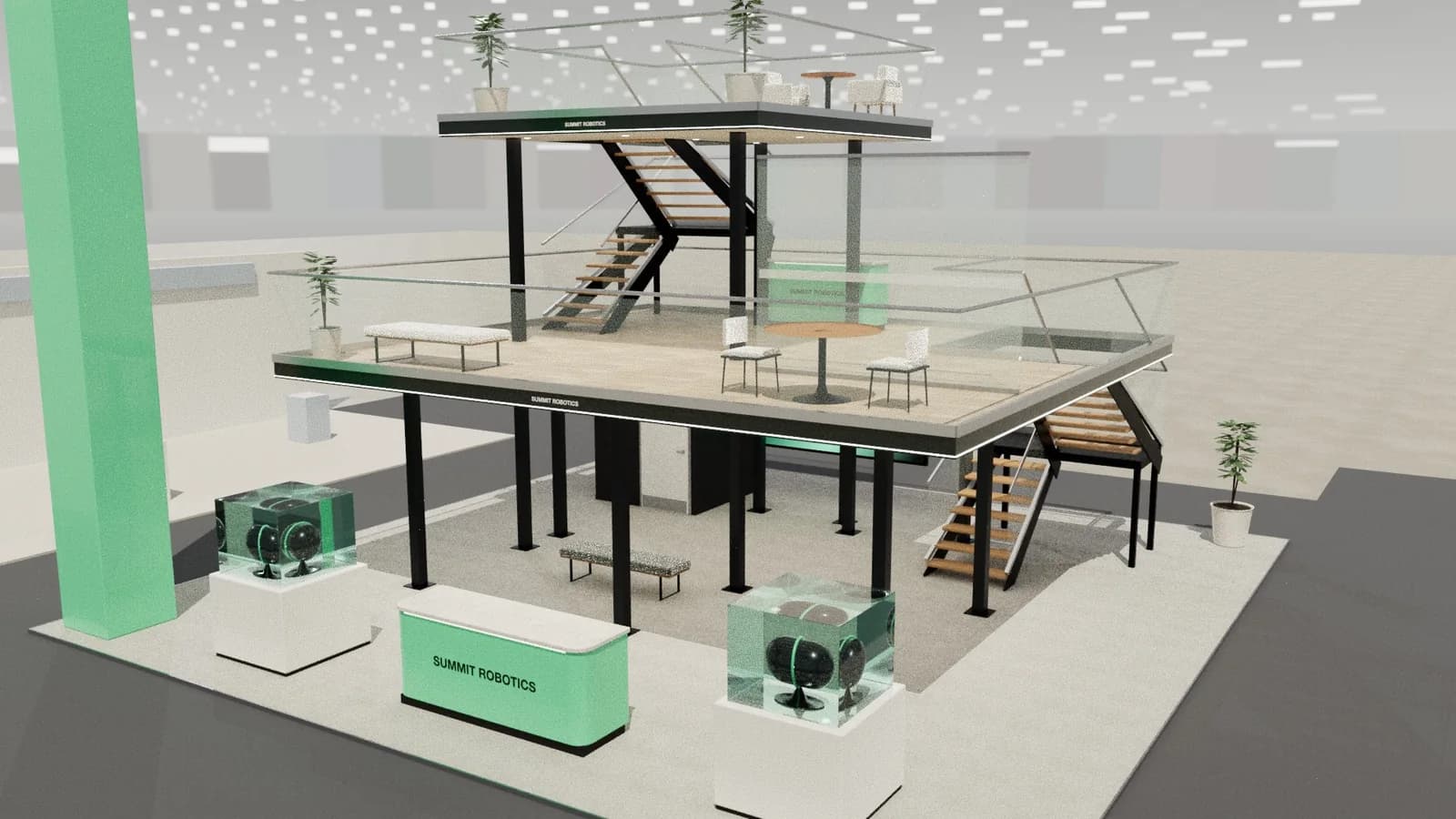
| Island | 4 | A central stage or arena, stations around the perimeter, queues inside the footprint and meeting space on a deck. |
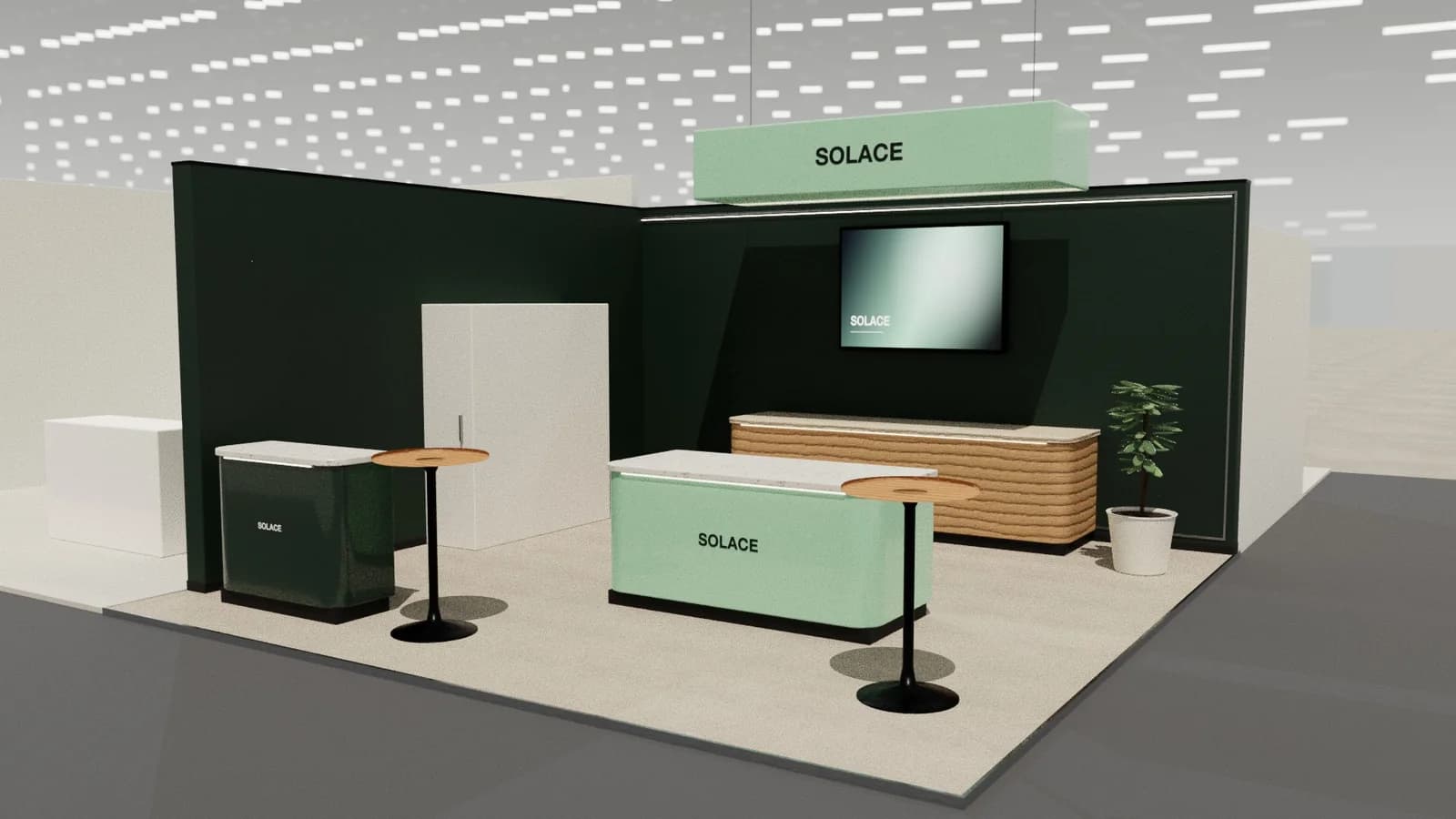
Stand ideas for HostMilano
- A live kitchen with a chef's schedule.
- A barista bar with an order system.
- A hotel room set for textiles and design.
Planning, approvals and logistics
Water, drainage, extraction and high-power supplies must be ordered early, and live cooking has food-safety and fire rules. Allow time for approval.
Allow about 9–12 months for a custom stand. The exhibitor manual sets height limits, open-side rules and service deadlines; see venue approval and technical drawings.
Where the budget goes at HostMilano
Water, gas or electric cooking, extraction and approvals drive the cost. Consumables and chefs run for the entire fair.
Mistakes we see at HostMilano
- A cold kitchen at a show about food.
- Underestimating power and water needs.
An example HostMilano brief
An 8 × 8 m island with a live kitchen, a barista bar, approved extraction and a distributor table behind a screen.
Replace the size and the zones with your own. The plot and height limit come from your contract and the exhibitor manual.
Try your HostMilano layout in 3D
ExhibitionBase Studio turns your plot size, open sides and a brief about hands-on experiences into an editable 3D stand for 5 credits, renders it and exports a plan for your builder. New workspaces get 5 free credits.
Frequently asked questions
01How often is HostMilano held?
Every two years in Milan, in odd years.
02Can I cook on the stand?
Often, with approved equipment, extraction and fire measures. Check the manual.
03How early should I start designing a HostMilano stand?
For a custom stand, about 9–12 months ahead: long enough for design, organiser approval, production and shipping. Shell scheme stands can be planned in weeks.
04Can I reuse my HostMilano stand at other shows?
Often, if it is modular. Design the core (walls, counters, hands-on experiences area) to work on several plot sizes, and swap graphics per show. See [modular vs custom stands](/guides/modular-vs-custom-exhibition-stands).
Put it into practice
From a client brief to a 3D stand concept in minutes
An editable 3D exhibition stand concept from a written brief and the brand's website, at your exact size.
Guidance here reflects common practice. Venues, organisers and countries set their own rules: always check the exhibitor manual and work with a qualified stand builder and engineer for structures.