In short
A CES booth competes with thousands of exhibitors and a press corps that moves fast, so it needs one product moment visible from the aisle, hands-on stations that hold a queue inside the footprint, and a quieter area for partners and media. Start a custom booth about 9–12 months ahead and confirm dates, height limits and rules in the exhibitor manual.
Key points
- Where and when: Las Vegas, annual, in January.
- The audience is mostly retail buyers.
- One hero product on a plinth or stage, lit to photograph well from the aisle.
- Hands-on stations with enough units that the queue moves; plan queue space inside the booth.
- Plan a custom booth about 9–12 months before the show.
CES for exhibitors
CES spreads across several Las Vegas venues and halls, from start-up zones with small turnkey booths to flagship islands. Visitors walk long distances between venues, so a booth gets seconds to earn attention. Launches, live demos and photogenic moments drive coverage.
| CES | |
|---|---|
| City | Las Vegas |
| Venue | Las Vegas Convention Center and partner venues across the city |
| Sector | Consumer technology |
| Cycle | Annual, in January |
| Main stand activity | Hands-on experiences |
| Custom stand lead time | 9–12 months |
Who you are designing for
Retail buyers, distributors, investors, tech press and creators, and partners from other industries such as automotive and health. Many visitors decide within a glance whether a product is relevant, and media want a clean shot and a spokesperson.
What matters most on a CES booth:
- One hero product on a plinth or stage, lit to photograph well from the aisle.
- Hands-on stations with enough units that the queue moves; plan queue space inside the booth.
- A media corner with a neutral backdrop for interviews and creator content.
- Partner meeting space separated from the public flow, even if it is a curtained lounge.
Layouts for hands-on experiences, by stand type
Most CES exhibitors build around hands-on experiences. How that works depends on how many sides of your plot are open. If you are unsure which type you have, see exhibition stand types.
| Stand type | Open sides | What works |
|---|---|---|
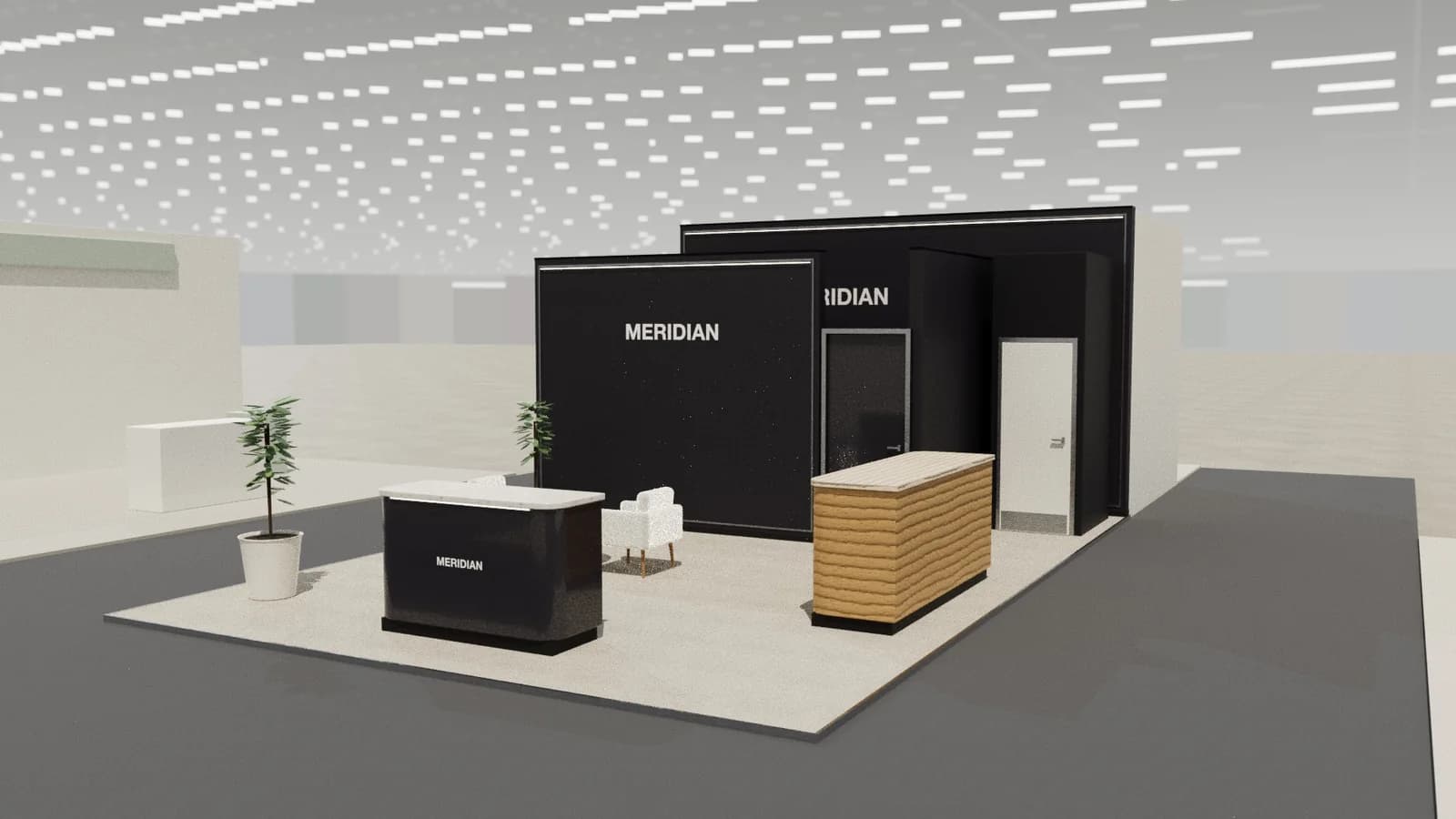
| Row (inline) | 1 | One try-it station at the front with the queue held inside the stand, not in the aisle. |
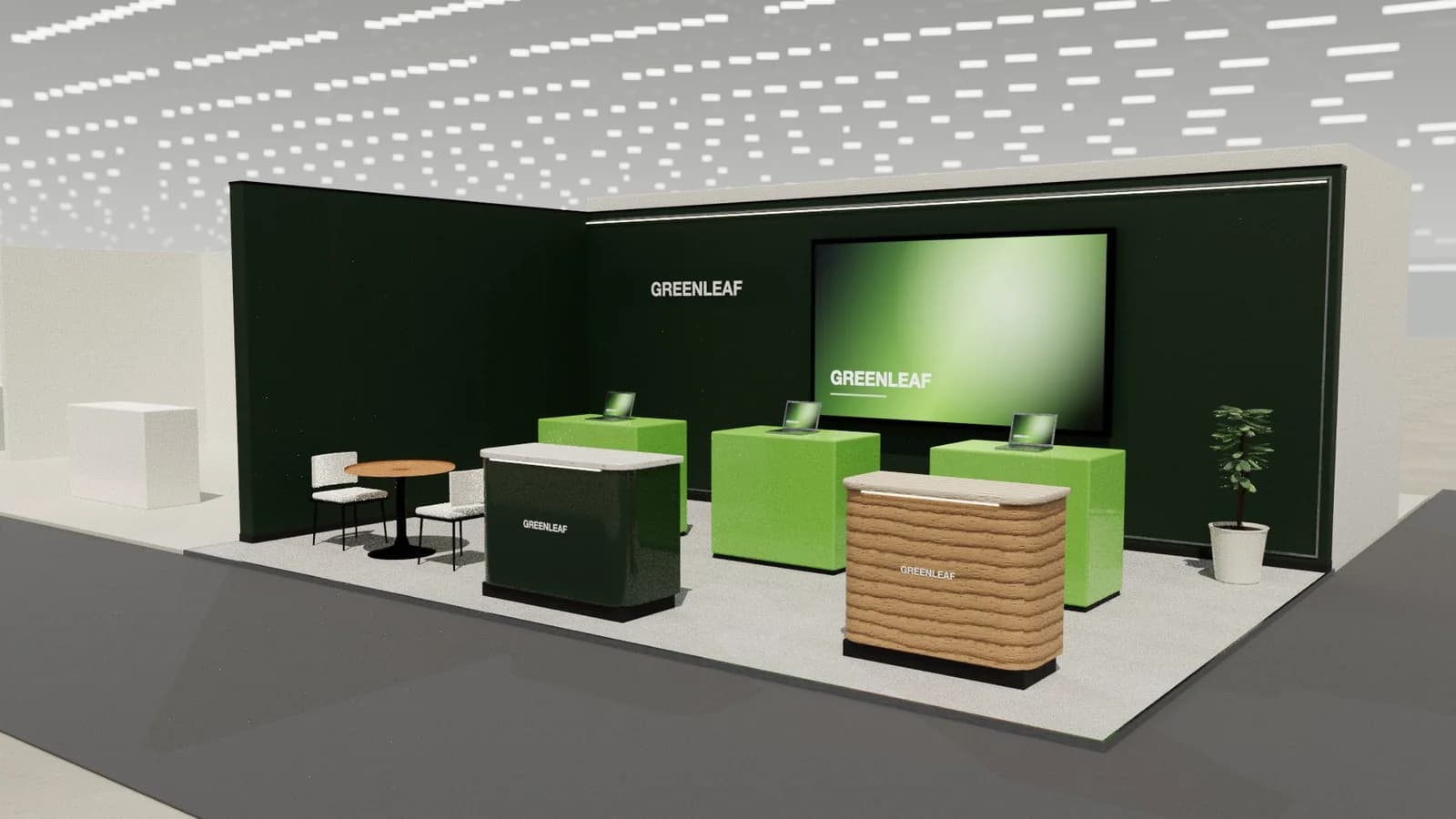
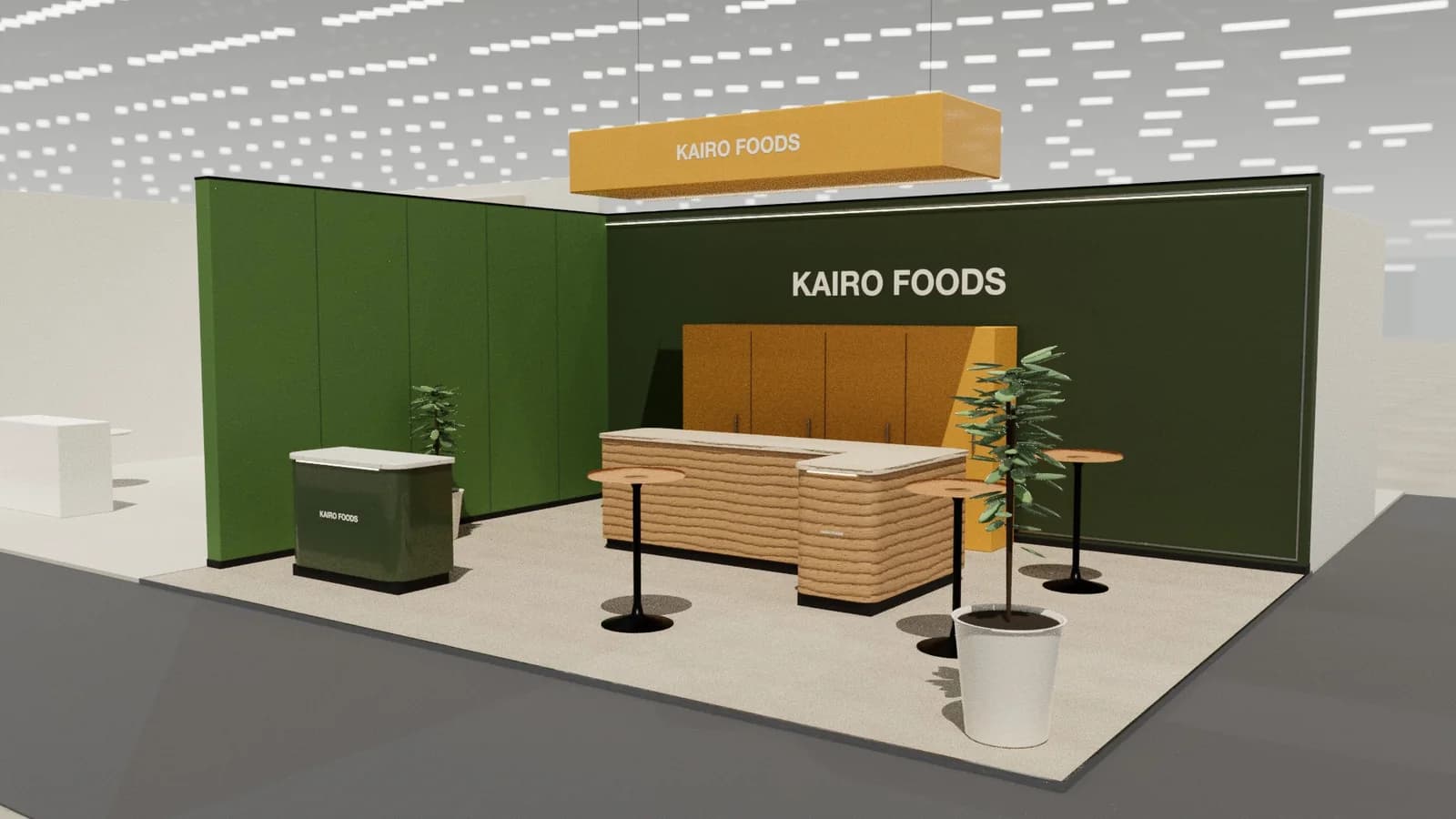
| Corner | 2 | An experience station facing each aisle and a content screen high on the corner. |
| Peninsula | 3 | A stage or play area at the front, the queue along one side and a quiet back area for press and partners. |
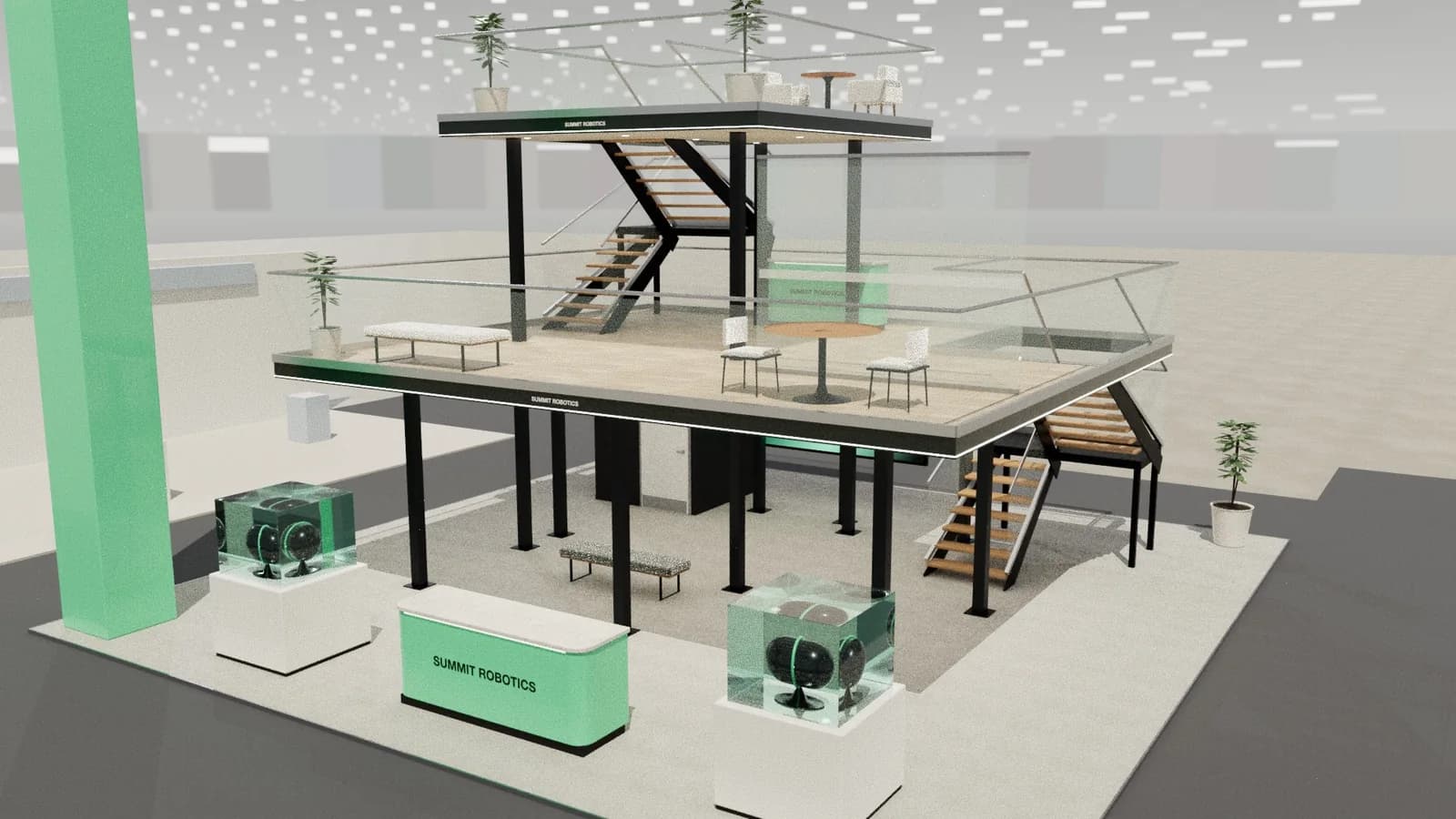
| Island | 4 | A central stage or arena, stations around the perimeter, queues inside the footprint and meeting space on a deck. |
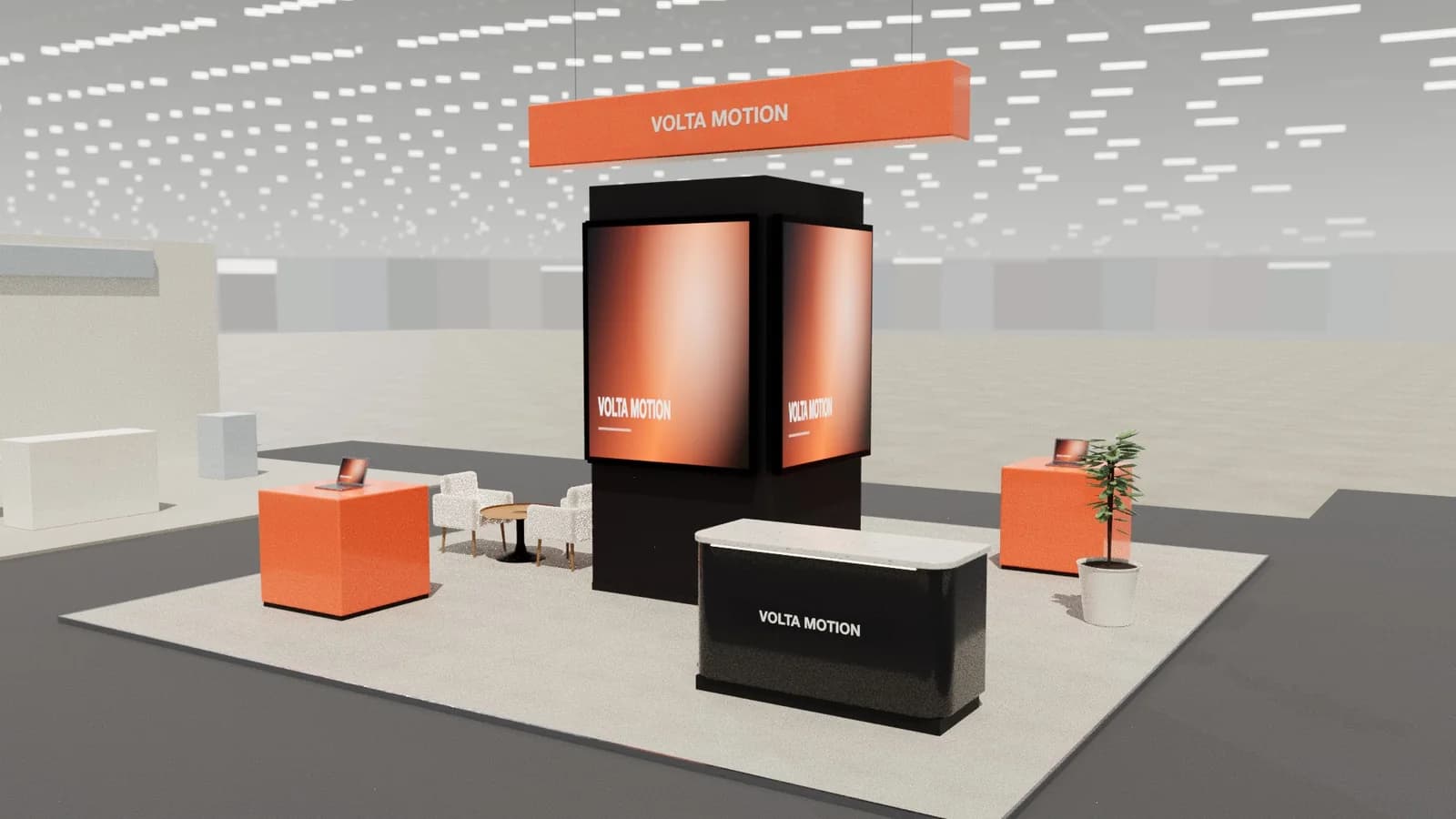
Stand ideas for CES
- A launch plinth on a slowly rotating turntable, lit for photographs from the aisle.
- Duplicate hands-on units so the queue moves in under two minutes per visitor.
- A neutral media wall with a mic stand and ring light for creator interviews.
Planning, approvals and logistics
Las Vegas venues use union labour and show contractors for many on-site tasks, so check what your own staff may install. Material handling and electrics are ordered through the show; order early because rates rise near the deadline.
Allow about 9–12 months for a custom booth. The exhibitor manual sets height limits, open-side rules and service deadlines; see venue approval and technical drawings.
Mistakes we see at CES
- Spreading many small products across the booth instead of leading with one launch.
- No plan for the crowd: people queue into the aisle and the organiser asks you to clear it.
Try your CES layout in 3D
ExhibitionBase Studio turns your plot size, open sides and a brief about hands-on experiences into an editable 3D booth for 5 credits, renders it and exports a plan for your builder. New workspaces get 5 free credits.
Frequently asked questions
01How big are booths at CES?
From small start-up pods in the Eureka Park area to islands of several hundred square metres for major brands. Most first-time exhibitors take an inline or corner booth; check the floor plan for what is available in your product category.
02Can I build my own CES booth?
Venue rules decide what your staff may install and what must be done by show labour. Read the exhibitor manual's labour section before you plan to build yourself, especially for anything needing tools.
03How early should I start designing a CES booth?
For a custom booth, about 9–12 months ahead: long enough for design, organiser approval, production and shipping. Shell scheme booths can be planned in weeks.
04Can I reuse my CES booth at other shows?
Often, if it is modular. Design the core (walls, counters, hands-on experiences area) to work on several plot sizes, and swap graphics per show. See [modular vs custom stands](/guides/modular-vs-custom-exhibition-stands).
Put it into practice
From a client brief to a 3D stand concept in minutes
An editable 3D exhibition stand concept from a written brief and the brand's website, at your exact size.
Guidance here reflects common practice. Venues, organisers and countries set their own rules: always check the exhibitor manual and work with a qualified stand builder and engineer for structures.