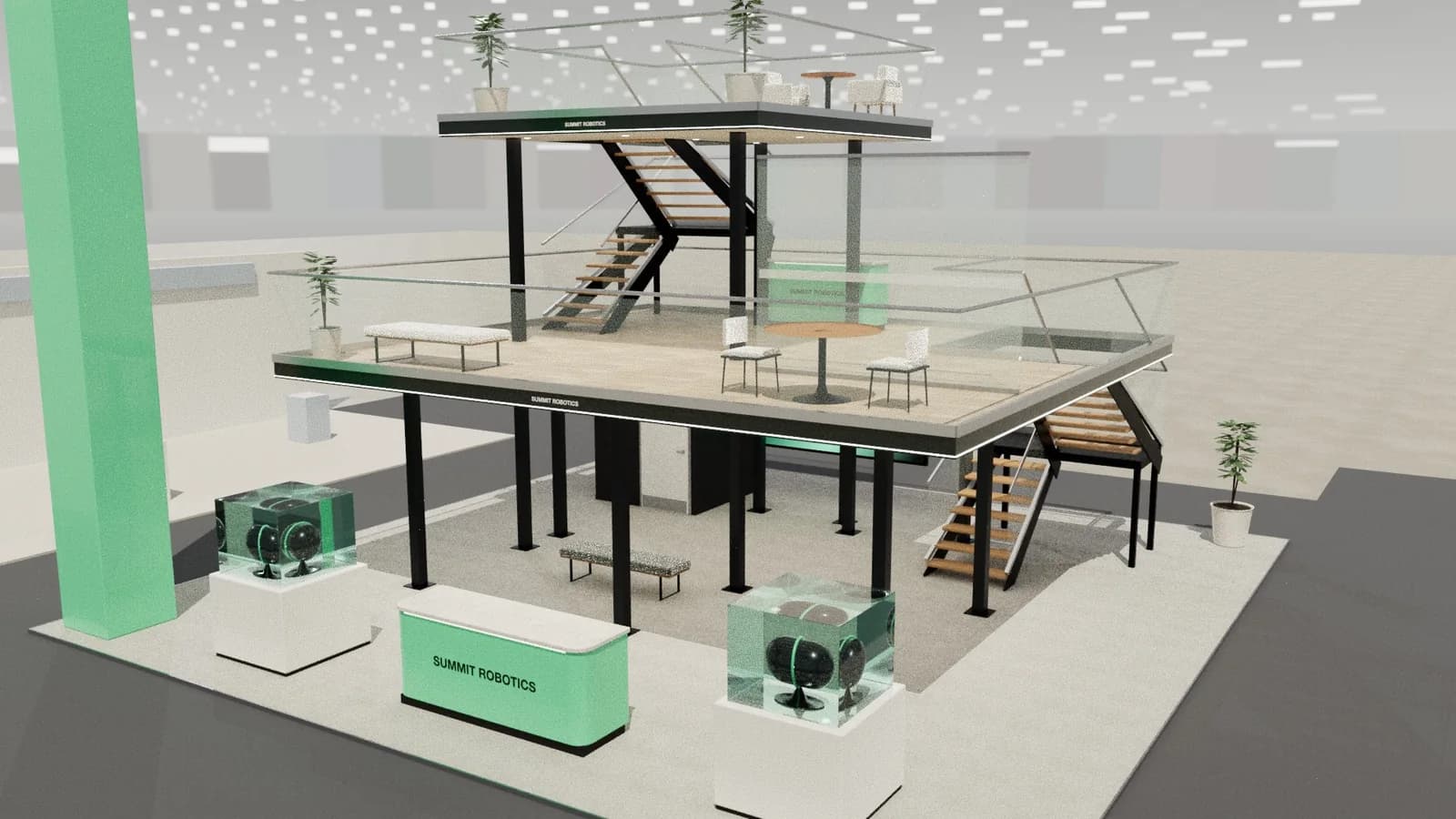
In short
Chemical and plastics products are often invisible, so a booth must show what they do. Display finished parts, before-and-after samples and application stories, and have technical people on hand. Buyers want data sheets, regulatory information and evidence for any recycled or bio-based claim.
Key points
- Application wall, Sample library, Technical desk, Meeting room are the core zones.
- Avoid: molecule graphics instead of real parts.
- Avoid: recycled-content claims without documents.
- Avoid: sales staff who cannot answer technical questions.
- See the template and trade show guides linked below for chemical and plastics companies.
Who visits and what they want
Formulators, product designers, purchasers and technical managers from packaging, automotive, construction and consumer goods.
What to show
Application samples, material swatches, process videos and small demonstrations of performance.
Zones for a chemicals and plastics stand
| Zone | Purpose | Where it goes |
|---|---|---|
| Application wall | Finished parts by market | Front |
| Sample library | Materials to handle | Side |
| Technical desk | Data sheets and formulation help | Centre |
| Meeting room | Confidential talks | Rear |
On a 3 × 3 m stand, keep the first two zones and book meetings elsewhere. From about 36 m² every zone fits; see stand sizes for what fits at each size.
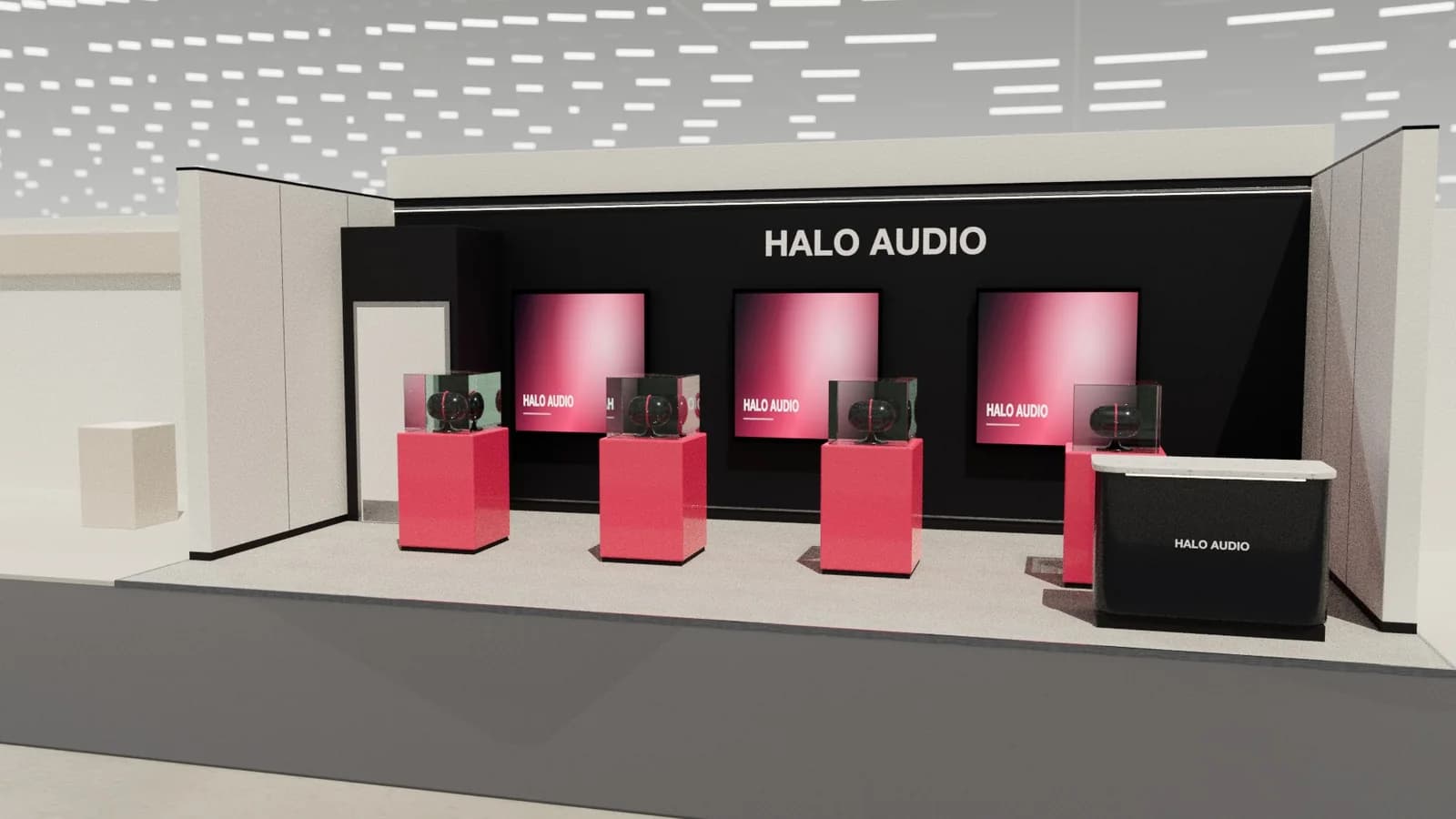
Materials, lighting and graphics
Clean and scientific, with colour provided by the materials. Lit samples are the most effective graphics at these shows.
For detail on light levels and colour rendering, see stand lighting; for wall graphics, see graphics and branding.
Starting conversations and capturing leads
Ask what the visitor is making and what is going wrong. Then hand them a relevant sample and pull up its data.
Rules and practicalities
Hazardous substances are usually restricted on stands. Use dummy or inert samples, and check the rules.
Venue rules on height, open sides, fire safety and services still apply; see venue approval.
Common mistakes
- Molecule graphics instead of real parts.
- Recycled-content claims without documents.
- Sales staff who cannot answer technical questions.
Trade shows for chemical and plastics companies
Show-specific guides: K Düsseldorf, ACHEMA. For more, see stand design by trade show.
Frequently asked questions
01How do I display a chemical product?
Show what it makes possible: parts, coatings or before-and-after samples.
02Can I bring hazardous samples?
Usually not, or only with strict approval. Use inert substitutes.
03What size stand does a chemicals and plastics exhibitor need?
Size to the activities: about 9 m² for one conversation point, 18–36 m² to add demos and a meeting table, and 50 m² or more for meeting rooms and hospitality. See [stand sizes](/guides/topics/exhibition-stand-sizes).
04Can AI design a chemicals and plastics booth?
AI can produce a complete concept quickly: [Studio](/ai-booth-designer) lays out the zones above at real scale and renders the result. A stand builder still checks structure, services and compliance before building.
Put it into practice
From a client brief to a 3D stand concept in minutes
An editable 3D exhibition stand concept from a written brief and the brand's website, at your exact size.
Guidance here reflects common practice. Venues, organisers and countries set their own rules: always check the exhibitor manual and work with a qualified stand builder and engineer for structures.