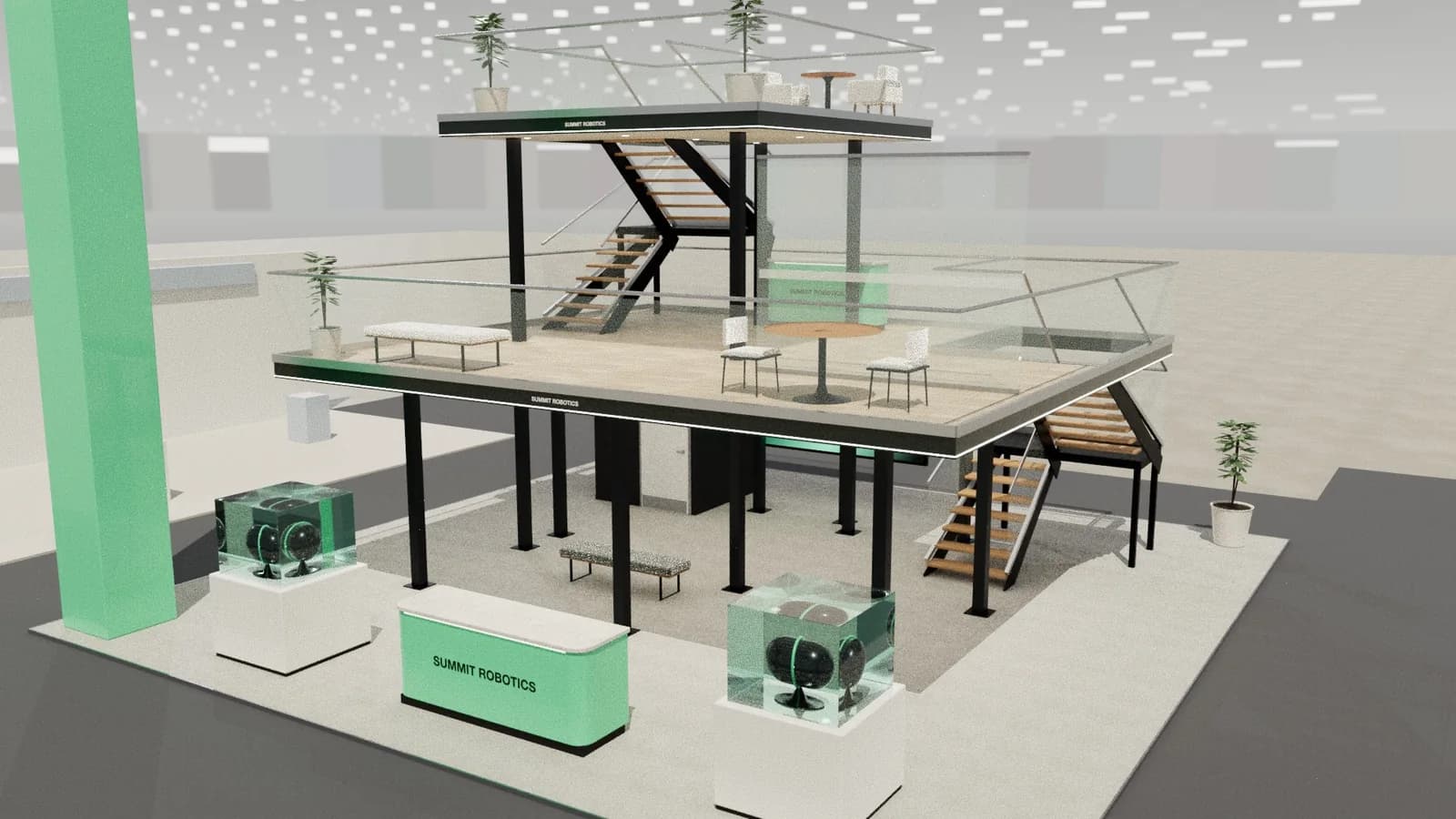
In short
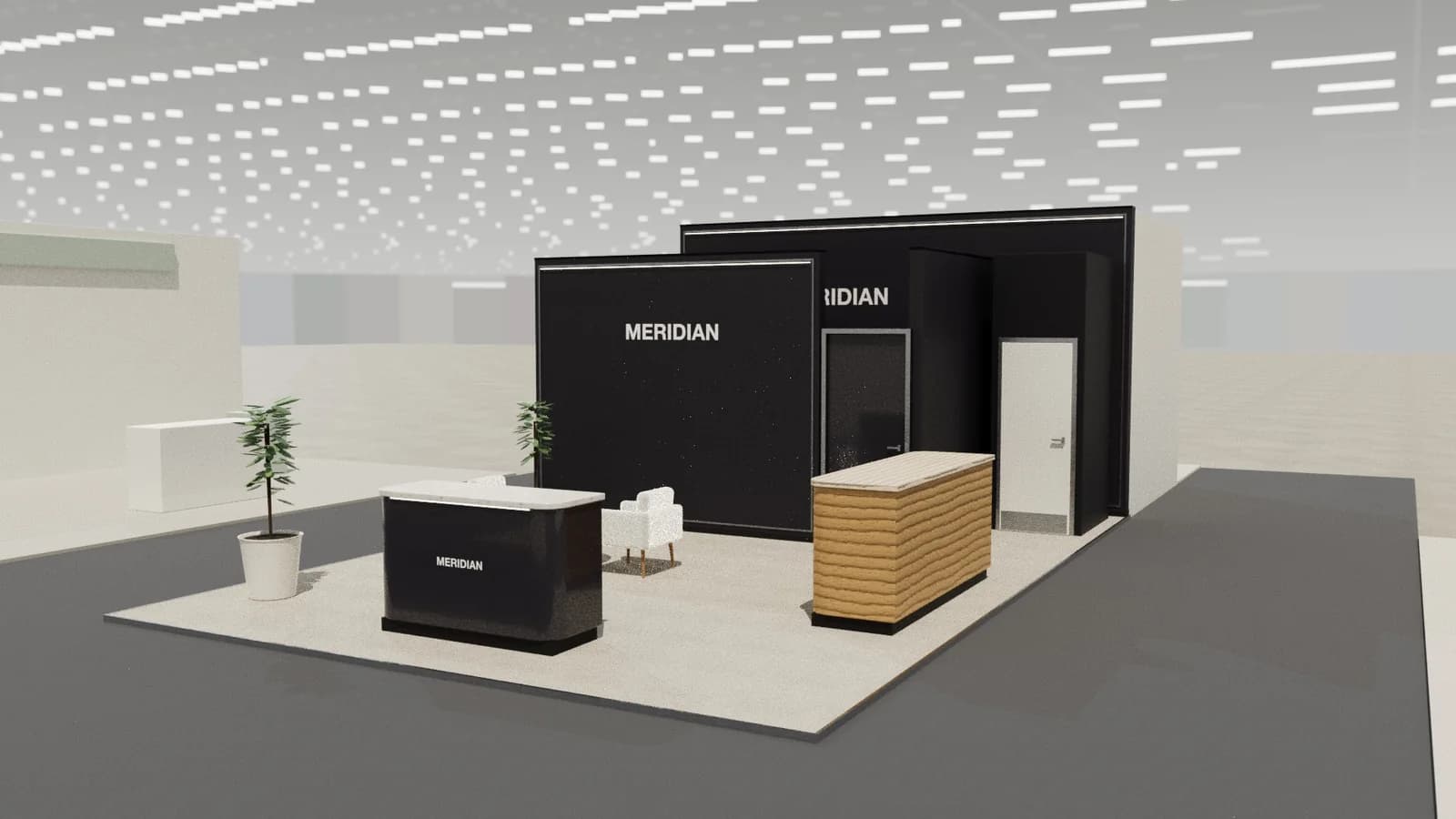
An island has four open sides, so it offers the most visibility but needs a core for storage and meetings, since it has no back wall. A peninsula has three open sides and a back wall, which gives you a natural place for storage, a brand wall and meeting space. Choose an island if you want a landmark and can fund all four faces. Choose a peninsula if you need the back-of-house and a strong main view.
Key points
- An island has no back wall to lean on.
- A peninsula gets three faces and a back-of-house.
- Every open side needs something to look at.
- Check the rules: some peninsulas have height limits at the back.
How they compare
| Island | Peninsula | |
|---|---|---|
| Open sides | Four | Three |
| Back wall | None; needs a core | Yes; storage and rooms |
| Visibility | From all directions | From three directions |
| Build complexity | Higher | Medium |
| Typical premium | Often the highest space rate | Usually above row and corner |
| Best for | Launches and landmarks | Demos with meetings behind |
How to choose
- 1List your activities, and which need privacy.
- 2Count your faces: can you make all four interesting?
- 3Check the floor plan: an island on a side aisle is worse than a peninsula on the main route.
- 4Price the storage: a core uses prime floor on an island.
- 5Check height and rigging: islands can usually go higher, but that costs more.
Layouts for each
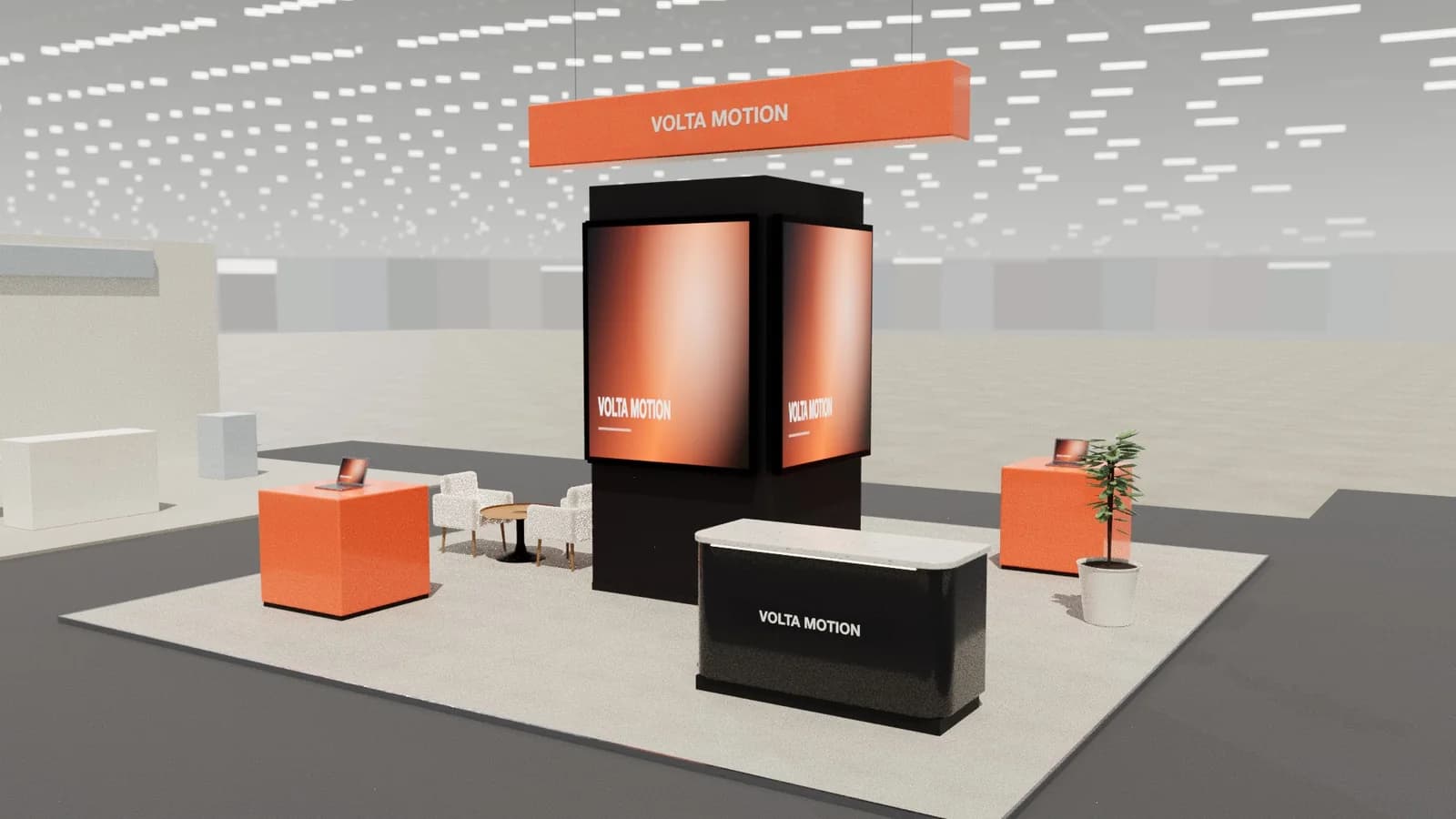
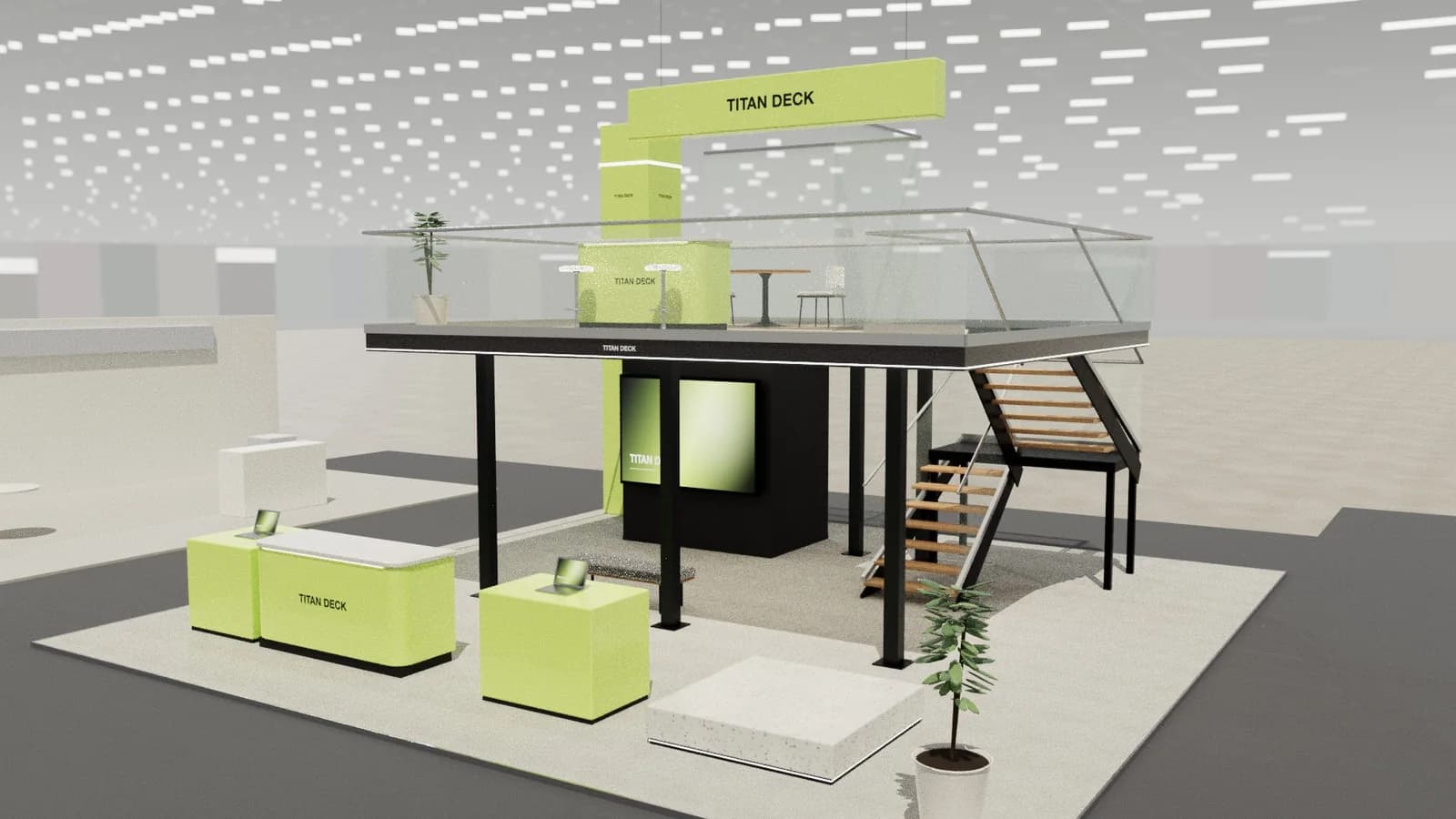
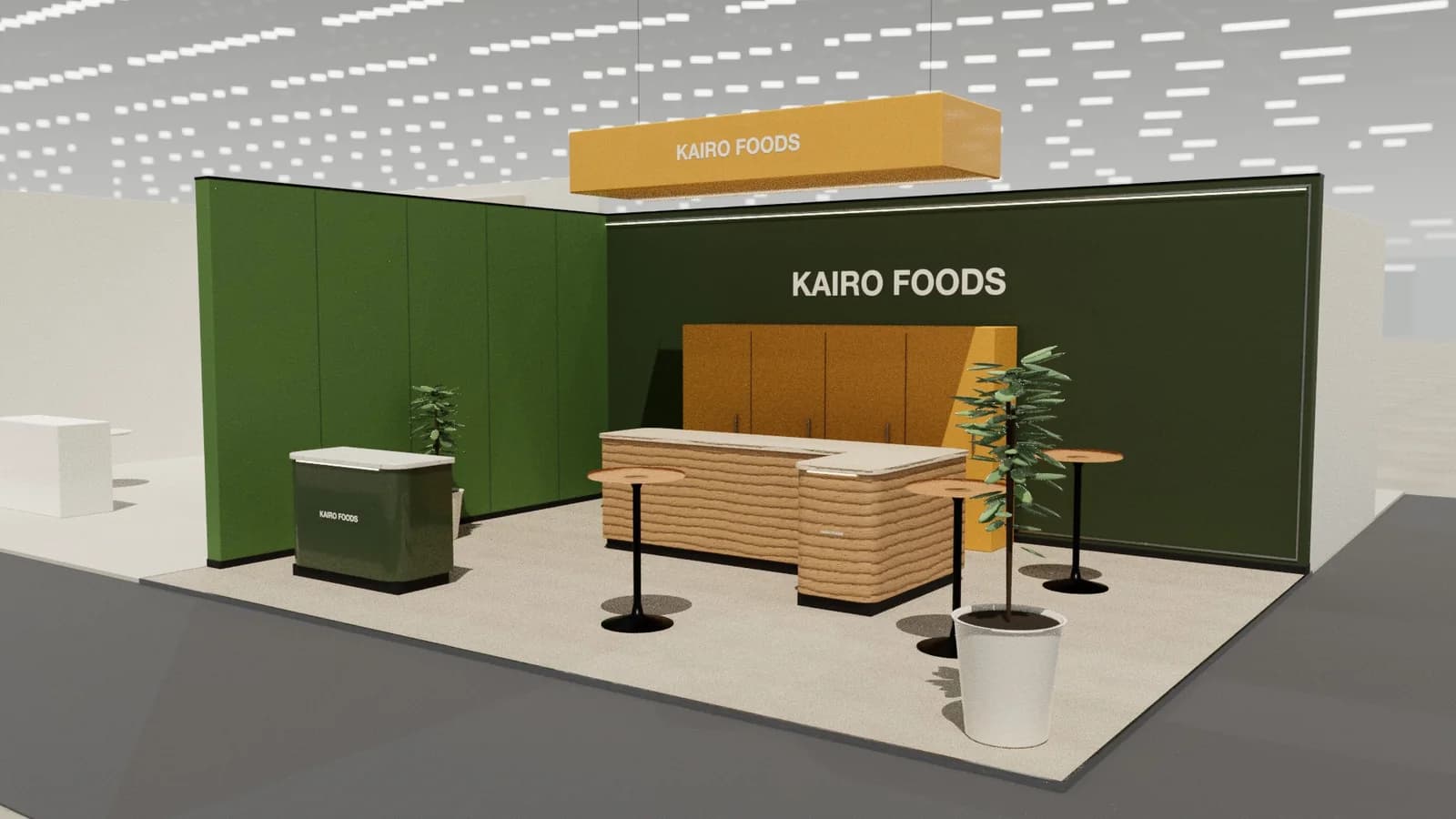
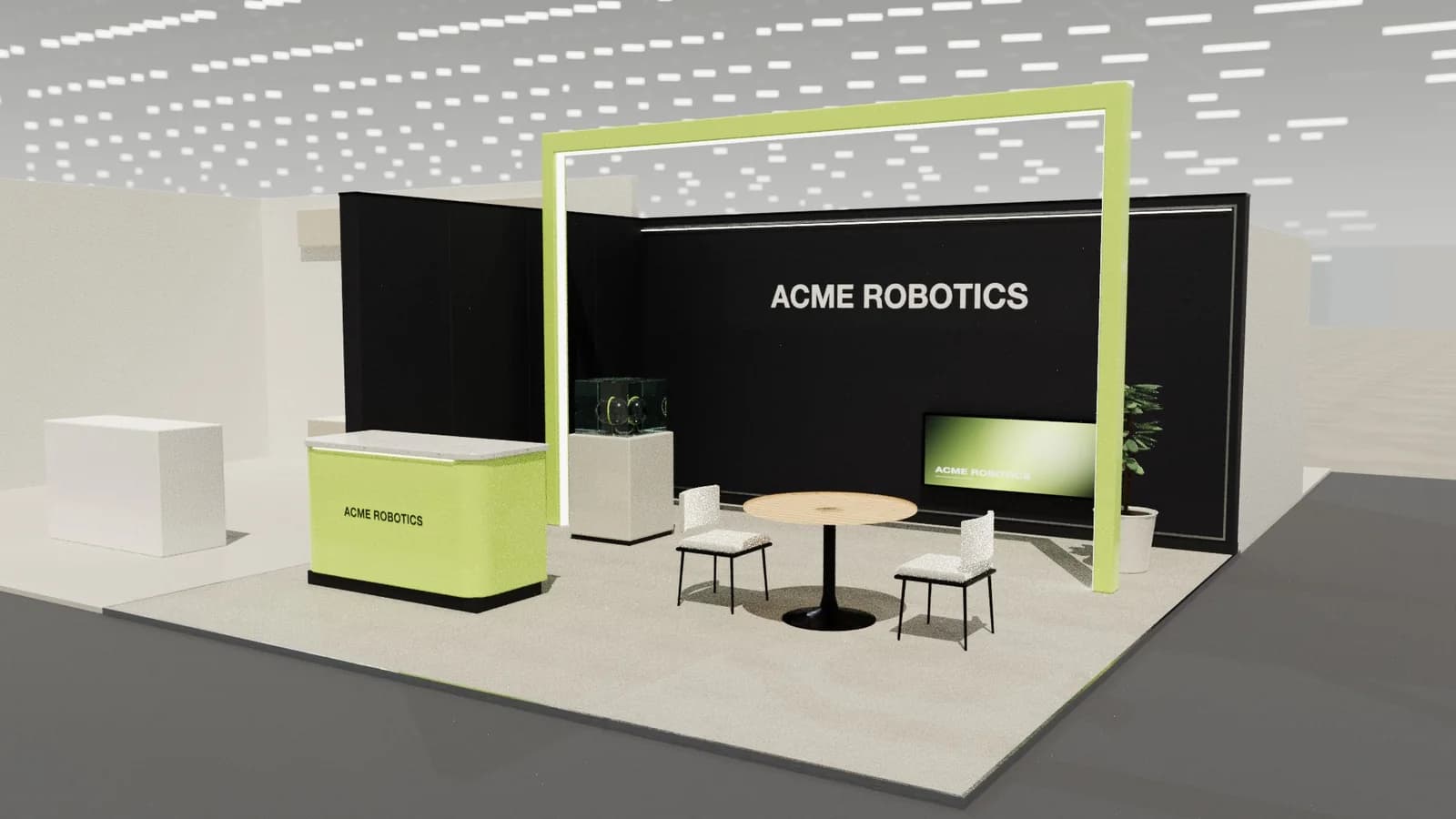
On an island, a central core holds storage and meeting rooms, with demos on the outer faces, and a sign above. On a peninsula, a back-wall block holds the store and room, with reception and demos on the three open faces. See booth layout and traffic flow, and island booth design for more.
- Island risk: a stand with no front, so nobody knows where to enter.
- Peninsula risk: all the interest at the front, with a dull back wall visible to the next aisle.
- Both: blocking views with a tall core.
Sizes where it matters
Below about 36 m², an island is often hard to justify, since the core takes too much floor. A peninsula or corner usually works better. Above about 80 m², the core is proportionately smaller, and an island starts to make sense.
Frequently asked questions
01What is the difference between an island and a peninsula stand?
An island is open on four sides. A peninsula is open on three, and has a back wall.
02Is an island stand always better?
No. Its position matters more than its type, and it costs more to make all four sides work.
03How do I store things on an island stand?
In a central core, which can also hold meeting space and support a sign.
04Are island stands more expensive?
Usually, in both space rate and build, because all sides are finished and a sign or rigging is common.
Put it into practice
From a client brief to a 3D stand concept in minutes
An editable 3D exhibition stand concept from a written brief and the brand's website, at your exact size.
Guidance here reflects common practice. Venues, organisers and countries set their own rules: always check the exhibitor manual and work with a qualified stand builder and engineer for structures.