In short
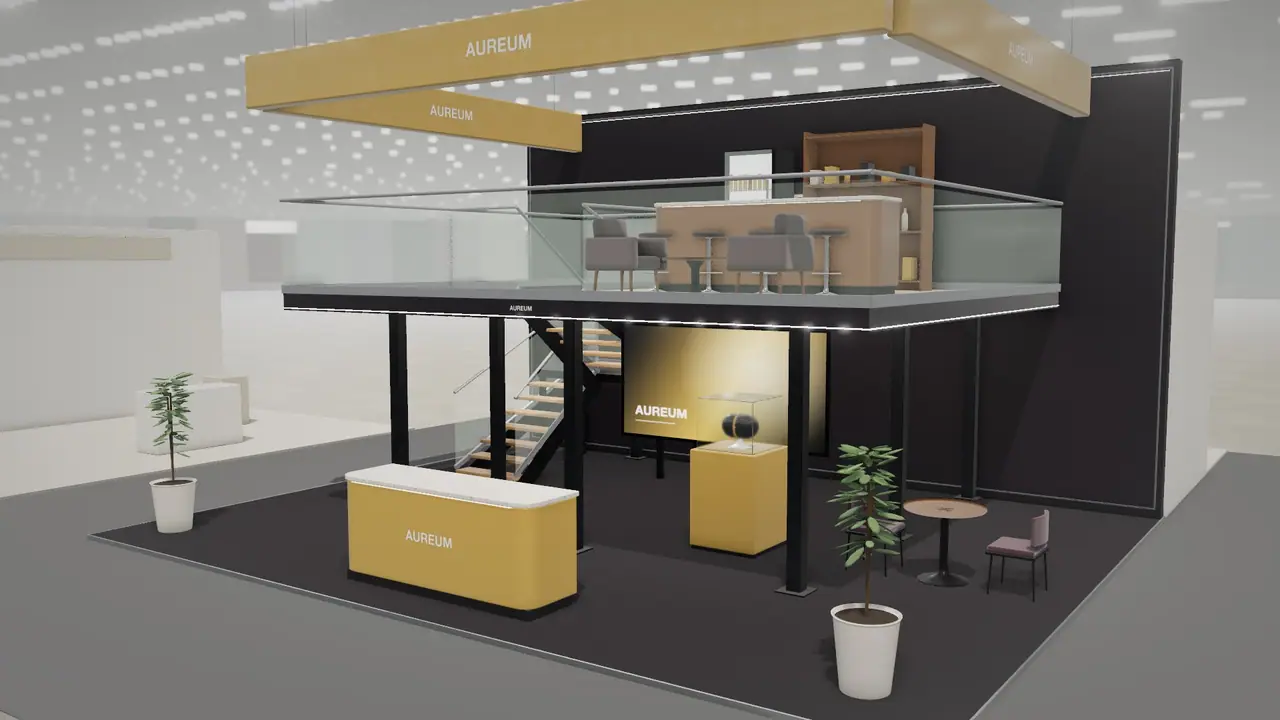
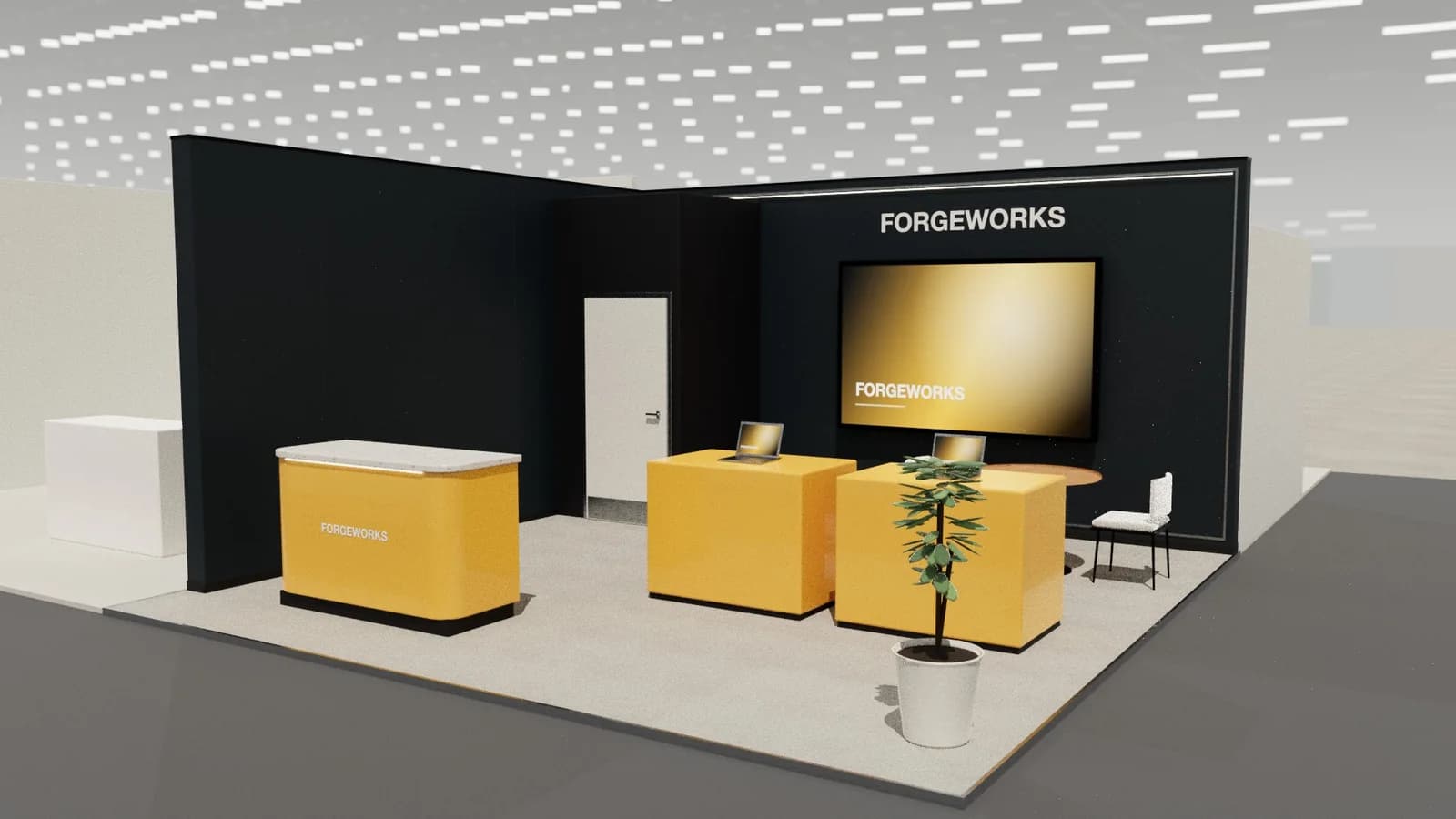
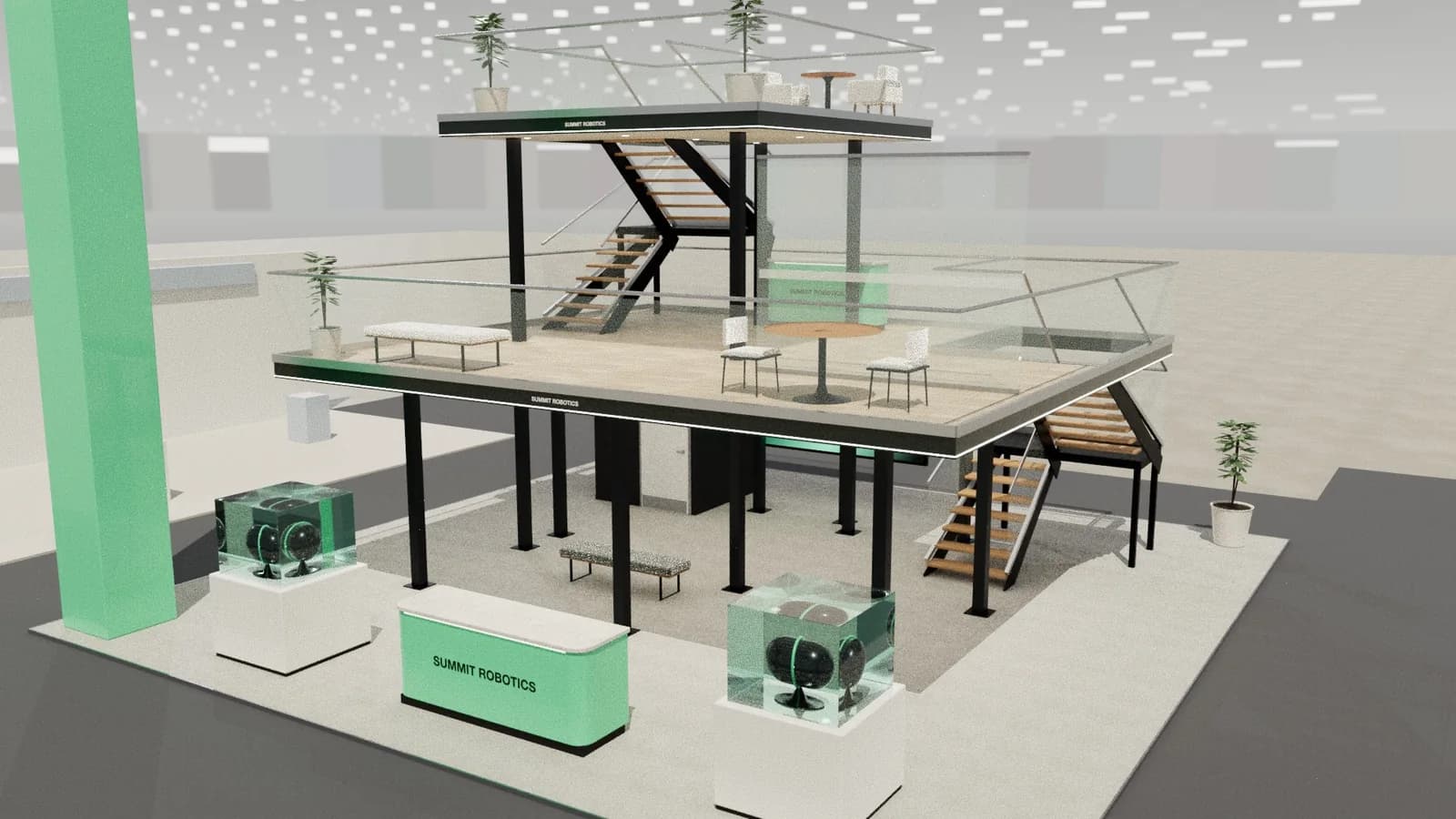
Paint is the cheapest way to get an exact brand colour but marks easily. Laminate is tougher and suits counters and repeat use. Vinyl wrap is quick and can imitate almost anything from a metre away. Real veneer, fluted panels and stone-effect surfaces add depth where people can touch them. Choose one or two finishes per stand, and keep the most expensive for the walls nearest the entrance.
Key points
- Two or three finishes look more confident than eight.
- Paint is exact but fragile; laminate is tough but limited in colour.
- Real texture matters only within touching distance.
- Finishes fail at corners, joints and transport points.
The options
| Finish | Strength | Weakness | Best use |
|---|---|---|---|
| Paint | Any colour, seamless | Marks in transit, slow to touch up | One-off walls |
| Laminate | Tough, cleanable | Edges and curves need care | Counters, repeat kits |
| Vinyl wrap | Fast, imitates timber or stone | Looks flat up close | Secondary surfaces |
| Veneer | Real timber | Cost and care | Feature walls |
| Fluted panel | Strong vertical shadow | Dust, and joints need planning | Counters, feature walls |
| Stone-effect | Weight of stone without the weight | Joins are visible | Plinths, reception |
| Fabric | Soft, acoustic, seamless | Stains and pulls at hand height | Large walls, ceilings |
Combining finishes
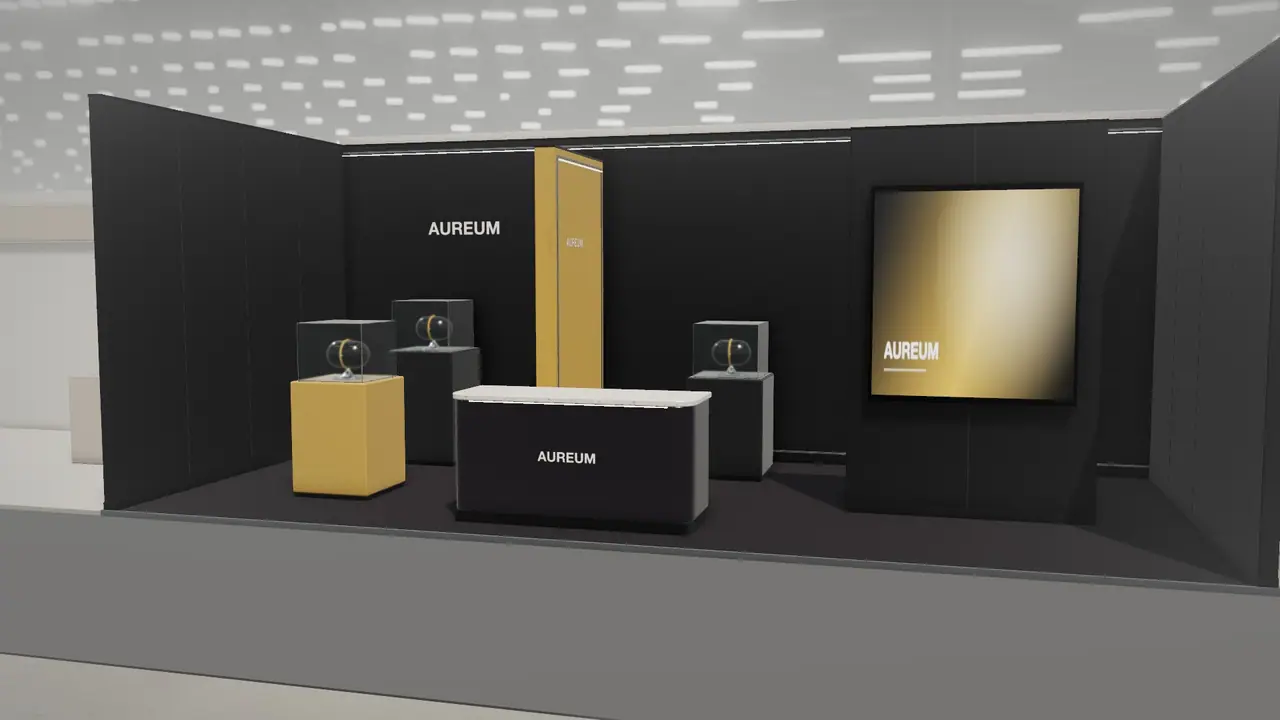
Premium stands rarely use many materials. A single light wall colour, one timber and one dark accent usually beat an inventory of samples. Decide the role of each: backdrop, feature and detail. If you cannot say what a finish is for, take it off the stand.
What fails first
- Outside corners take every knock during build-up. Protect them, or use a harder edge detail.
- Light paint at floor level shows scuffs by day two. A dark kick plate hides them.
- Glossy surfaces show every fingerprint. Plan a cleaning routine.
- Wrap lifts at tight edges under hot lights. Ask for a proper primer and edge detail.
Test before you commit
- 1Get samples under the colour of light you will use.
- 2View them at the distance your visitors will.
- 3Match them against your brand reference, such as Pantone or RAL, and agree who signs it off.
- 4Photograph them, since the stand will spend most of its later life as a photo.
Frequently asked questions
01What is the best finish for exhibition walls?
For a one-off stand, paint or fabric. For repeat use, laminate or fabric on a system.
02How do I get an exact brand colour?
Paint gives the closest match. Give the builder a reference such as RAL or Pantone, approve a sample, and view it under the show's lighting.
03Do fluted panels work on curves?
Yes, on suitable radii. Flexible fluted panels exist for curves; check the minimum bend with the supplier.
04How do I keep a stand clean during a show?
Book a daily clean, keep touch-up kits and cloths in the store, and brief staff to check the stand before opening.
Put it into practice
From a client brief to a 3D stand concept in minutes
An editable 3D exhibition stand concept from a written brief and the brand's website, at your exact size.
Guidance here reflects common practice. Venues, organisers and countries set their own rules: always check the exhibitor manual and work with a qualified stand builder and engineer for structures.