In short
Build-up is the fixed window when stands are installed, usually days before opening; breakdown is the shorter one after closing. Trucks are booked into slots, floors are marked out first, services connect in a set order, and hard hats or safety rules may apply. Plan the sequence hour by hour, arrive with checked drawings and leave time to snag the stand. Breakdown needs the same care, because skips and damage are charged.
Key points
- Delivery slots and access rules are strict.
- A set-out point on the floor fixes the stand's position.
- Allow a final half day for cleaning and snagging.
- Breakdown starts fast, so protect your goods.
A typical sequence
- 1Plots are marked on the floor by the organiser.
- 2Rigging goes in first, working from above.
- 3Floor and platforms are laid.
- 4Walls and structure go up.
- 5Electrics are connected and tested.
- 6Furniture, graphics and AV are installed.
- 7Carpet protection comes off, and the stand is cleaned.
- 8The team walks through and snags defects.
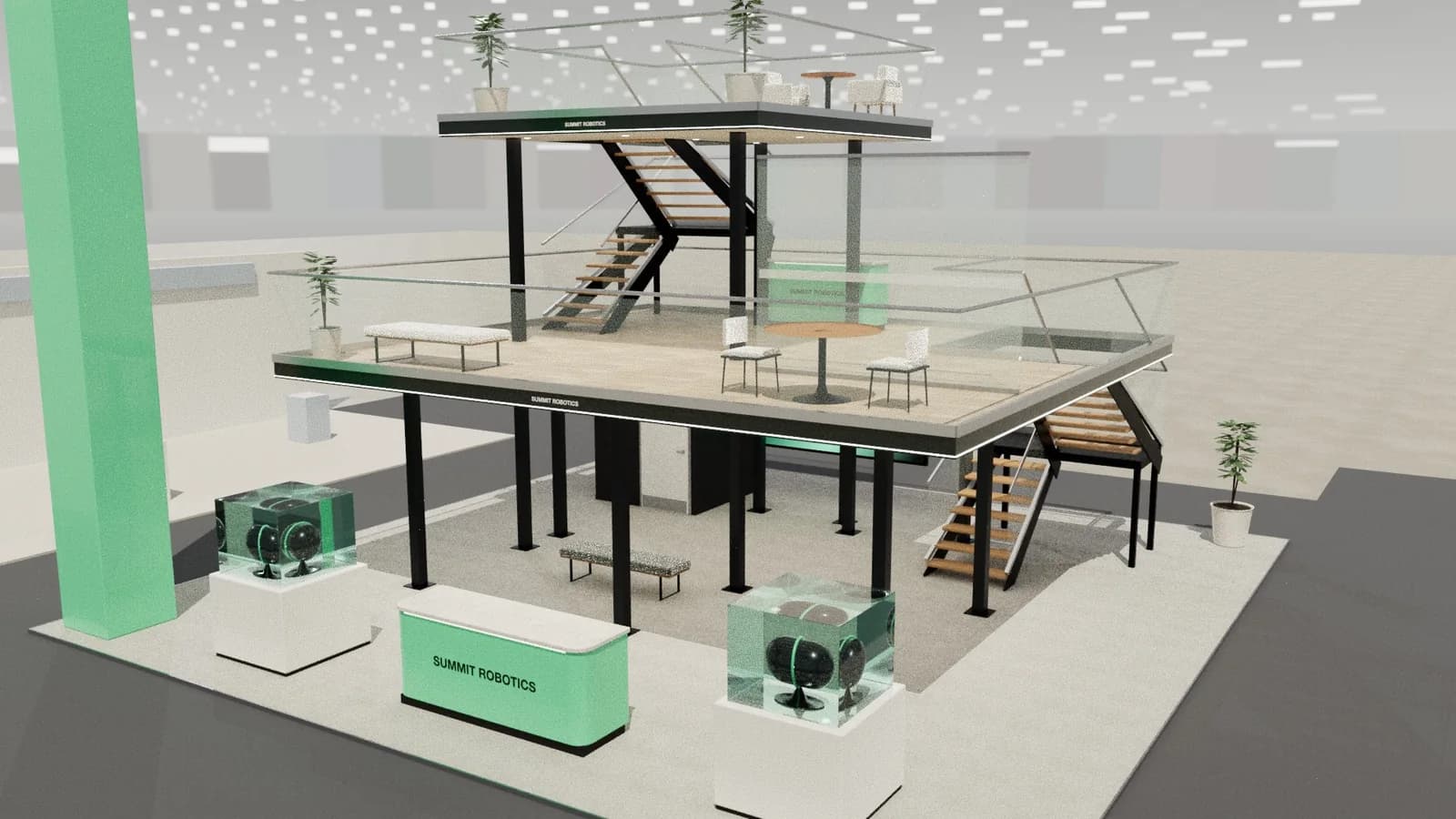
The order changes from stand to stand, and it depends on your schedule and the venue's rigging slot. Double-decks need more time, plus a structural check.
Site rules
- Accreditation: crews may need passes in advance.
- Safety: hi-vis, safety shoes or hard hats, as the show requires.
- Vehicle slots: drivers may have to book, and overstaying can be fined.
- Working hours: anything past the agreed time can cost overtime.
- Paint and sawing: often restricted on site.
- Neighbours: do not build into shared aisle space.
Snagging before opening
| Check | What to look for |
|---|---|
| Dimensions | Stand within the plot and height limit |
| Graphics | Correct version, no bubbles, aligned at joins |
| Lighting | All on, aimed, same colour temperature |
| AV and internet | Content playing, wired line working |
| Cleaning | Fingerprints, packaging, dust, floor protection removed |
| Safety | Exits clear, cables secured, certificates present |
Breakdown
Breakdown can begin within an hour of closing, when thieves are most active and the aisles fill quickly. Keep valuables with you, pack products before the hall gets busy, and have crates returned in the right order. Leave nothing behind: waste left on the plot may be charged.
What to have ready on day one
- Printed drawings, with the plot number and a set-out point.
- Contacts for the organiser, the electrician and your builder.
- Copies of certificates and risk assessments.
- A small kit: tape, cable ties, cloths, a spirit level and spare lamps.
Frequently asked questions
01How long does a stand take to build?
From hours for a small modular stand to many days for a large custom or double-deck stand. The organiser sets the available window.
02What is a set-out point?
A marked reference point on the floor, which all the stand's dimensions are measured from.
03When can I start breakdown?
After the published time, usually at the show's close. Taking a stand down early is often banned.
04Who pays if my stand damages the hall floor?
Usually the exhibitor or its contractor. Check the manual and protect the floor.
Put it into practice
Exhibition stand technical drawings, drawn from the 3D design
A3 plan and elevations at scale, set-out grid, object schedule and a layered AutoCAD DXF, generated from the 3D design.
Guidance here reflects common practice. Venues, organisers and countries set their own rules: always check the exhibitor manual and work with a qualified stand builder and engineer for structures.