In short
The costs that catch exhibitors out are rarely the big ones. They are the charges that appear in the exhibitor manual rather than in the sales contract: power, internet, rigging, material handling, cleaning, waste removal, storage, overtime, and premium rates after the early-order deadline. Read the manual's order forms in the first week, and put every one into the budget with its date.
Key points
- Most surprise charges are printed in the exhibitor manual.
- Deadlines change the price, not only the availability.
- Your carton of brochures may cost money to move across the hall.
- A stand that does not fit its window costs overtime.
The usual suspects
| Cost | Why it surprises people | How to avoid it |
|---|---|---|
| Electrical connection | Power is rarely included with the space | Add up the power load and order on time |
| Internet | Hall Wi-Fi is unreliable, so demos need a wired line | Order a wired line for anything that must work |
| Rigging | Often an official-contractor-only service, priced per point | Get the price before you design a hanging sign |
| Material handling | Moving freight from the dock to your stand can be charged by weight | Read the handling rates; US shows call this drayage |
| Cleaning and waste | Stand cleaning may not be included, and skip charges can follow a messy dismantle | Book cleaning; remove what you bring |
| Storage | Empty crates need somewhere to go during the show | Plan crate storage with your forwarder |
| Overtime | Build-up that overruns can be charged at premium rates | Agree the schedule; arrive with a checked drawing |
| Late orders | Rates can rise after the early deadline | List every deadline in your budget |
| Approvals | Some venues charge to review structures | Check for fees for double-decks and rigging plans |
The people costs
Hotels near popular shows sell out early and their rates reflect it. Badges for extra staff may be limited. Meals on the stand, water, coffee and a shift rota for the whole week all add up, and your staff lose a working week. None of this shows on the builder's quote, so it needs its own line.
Design decisions that create costs
Several expensive surprises are designed in. A closed ceiling can trigger sprinkler or fire requirements. A sink means water and waste connections. A heavy machine may need floor protection and a forklift. A rigged sign means a rigging plan and an approved engineer. Ask of every feature: what does the venue need before this can exist?
- Roofs and ceilings: check fire rules and detection.
- Water: check connections, drains and hygiene rules.
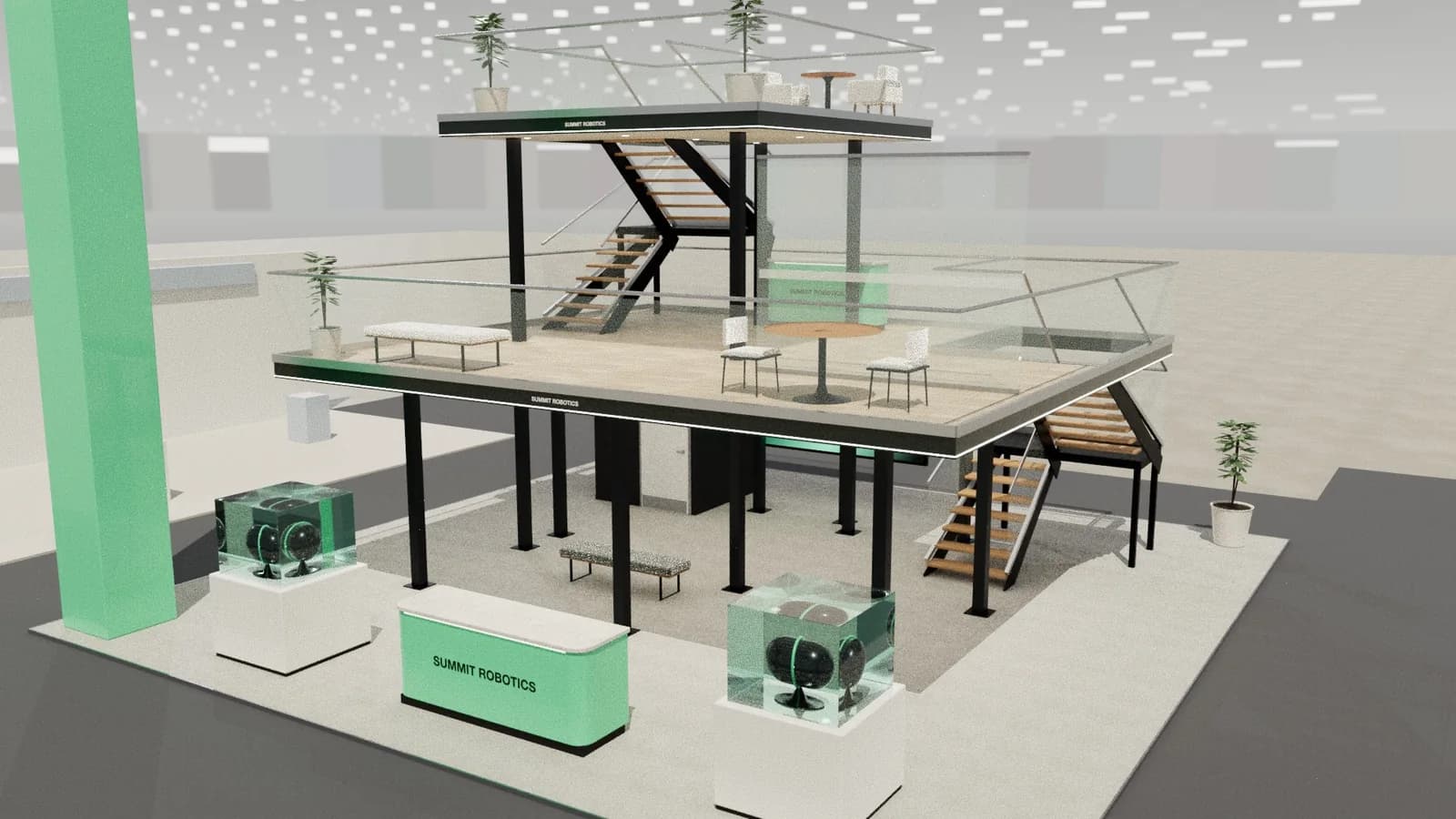
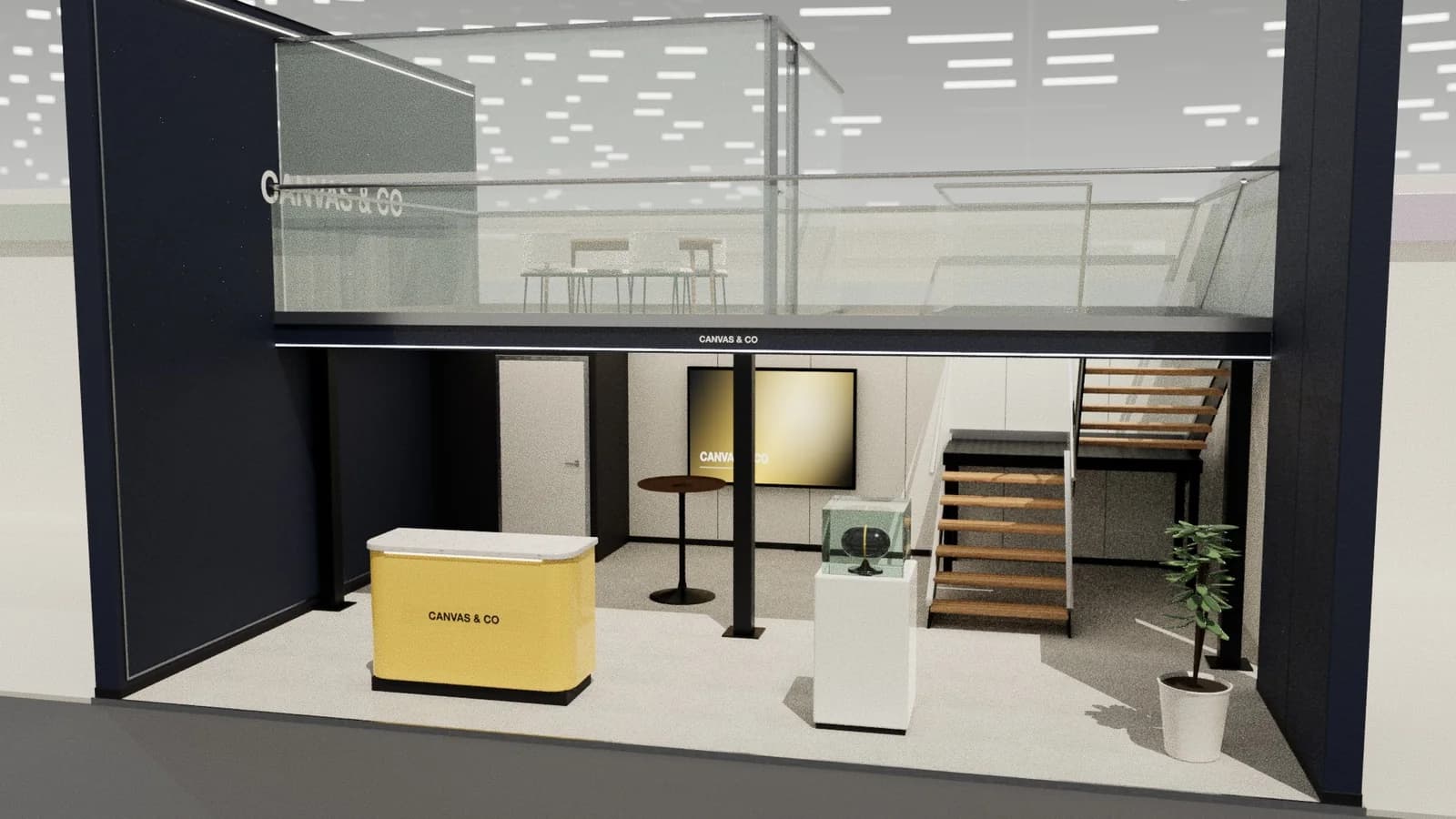
- Second storeys: check calculations and structural approval.
- Heavy exhibits: check floor loads and lifting.
- Noise and smell: check the organiser's rules on both.
A one-hour audit
- 01
Open the manual's order forms
Make a list of each form, its price and its deadline.
- 02
Walk through your stand in your head
Trace each item from the truck to the wall to the plug.
- 03
Ask your builder what is excluded
Exclusions usually tell you more than inclusions.
- 04
Add a date for each order
Put them in the shared calendar, with an owner's name.
Frequently asked questions
01What are the hidden costs of exhibiting?
Mostly services: power, internet, rigging, handling, cleaning, waste, storage, overtime and late-order premiums, plus staff costs that never reach the stand builder's quote.
02Where do I find a show's extra charges?
In the exhibitor manual or online exhibitor portal, usually as order forms with early and standard rates.
03What is drayage?
A US term for moving freight from the loading dock to your booth and back, usually charged by weight. See [trade show booth cost](/guides/trade-show-booth-cost).
04Can I bring my own contractor for rigging or power?
Often not. Many venues name exclusive contractors for those trades. The manual will say which services you may self-supply.
Put it into practice
Exhibition stand technical drawings, drawn from the 3D design
A3 plan and elevations at scale, set-out grid, object schedule and a layered AutoCAD DXF, generated from the 3D design.
Guidance here reflects common practice. Venues, organisers and countries set their own rules: always check the exhibitor manual and work with a qualified stand builder and engineer for structures.