In short
SPS is a focused automation show where controls engineers want to see systems working together. A good SPS stand connects hardware to software in a live demonstration, shows interoperability with other vendors and gives engineers a place to work through a real problem with a specialist. Start a custom stand about 6–9 months ahead and confirm dates, height limits and rules in the exhibitor manual.
Key points
- Where and when: Nuremberg, annual in Nuremberg.
- The audience is mostly automation engineers.
- A working line, connected end to end.
- Open interfaces and partner integrations.
- Plan a custom stand about 6–9 months before the show.
SPS for exhibitors
SPS is smaller and more technical than broad industrial fairs, and visitors arrive with specific integration questions. Drives, controllers, sensors and industrial software sit next to each other, and many stands are arranged around a small production line.
| SPS | |
|---|---|
| City | Nuremberg |
| Venue | NürnbergMesse |
| Sector | Industrial automation |
| Cycle | Annual in Nuremberg |
| Main stand activity | Demonstrations |
| Custom stand lead time | 6–9 months |
Who you are designing for
Automation engineers, system integrators, machine builders and plant technical managers, largely from Europe.
What matters most on a SPS stand:
- A working line, connected end to end.
- Open interfaces and partner integrations.
- Engineers available at each demo point.
- Benches where visitors can test software.
Layouts for demonstrations, by stand type
Most SPS exhibitors build around demonstrations. How that works depends on how many sides of your plot are open. If you are unsure which type you have, see exhibition stand types.
| Stand type | Open sides | What works |
|---|---|---|
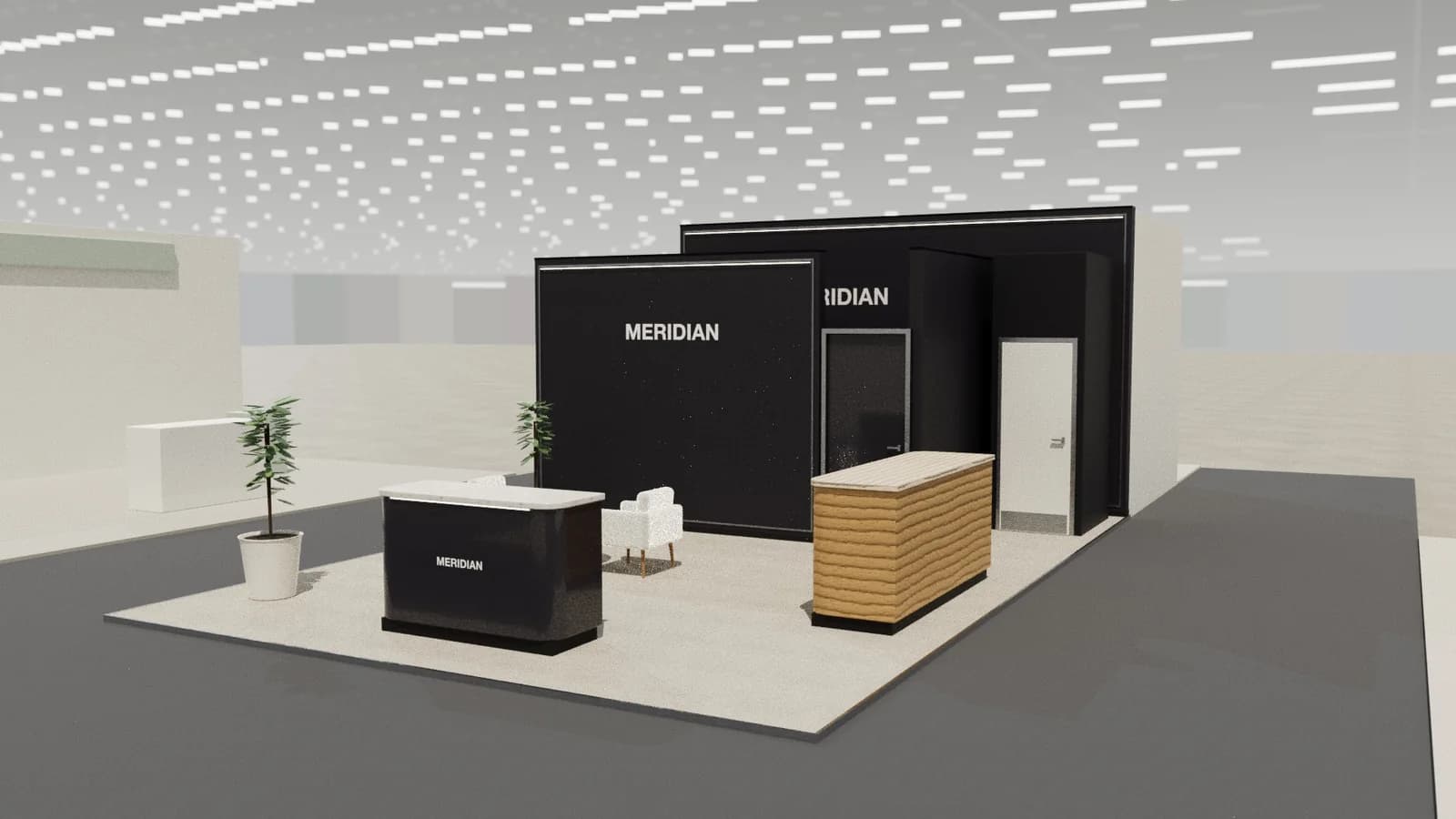
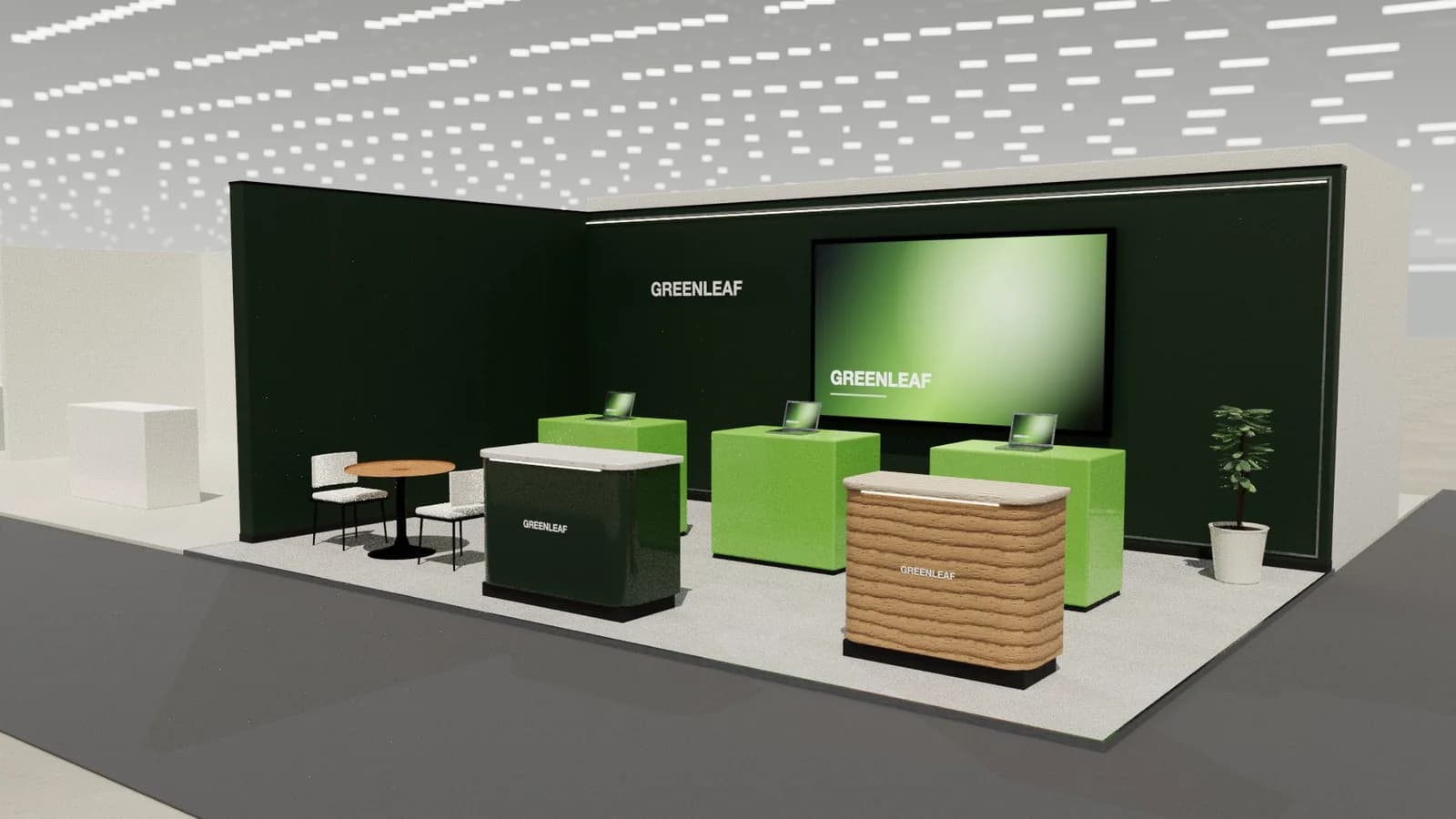
| Row (inline) | 1 | One demo point at the front edge with a screen behind it and a counter to one side; visitors watch from the aisle and step in. |
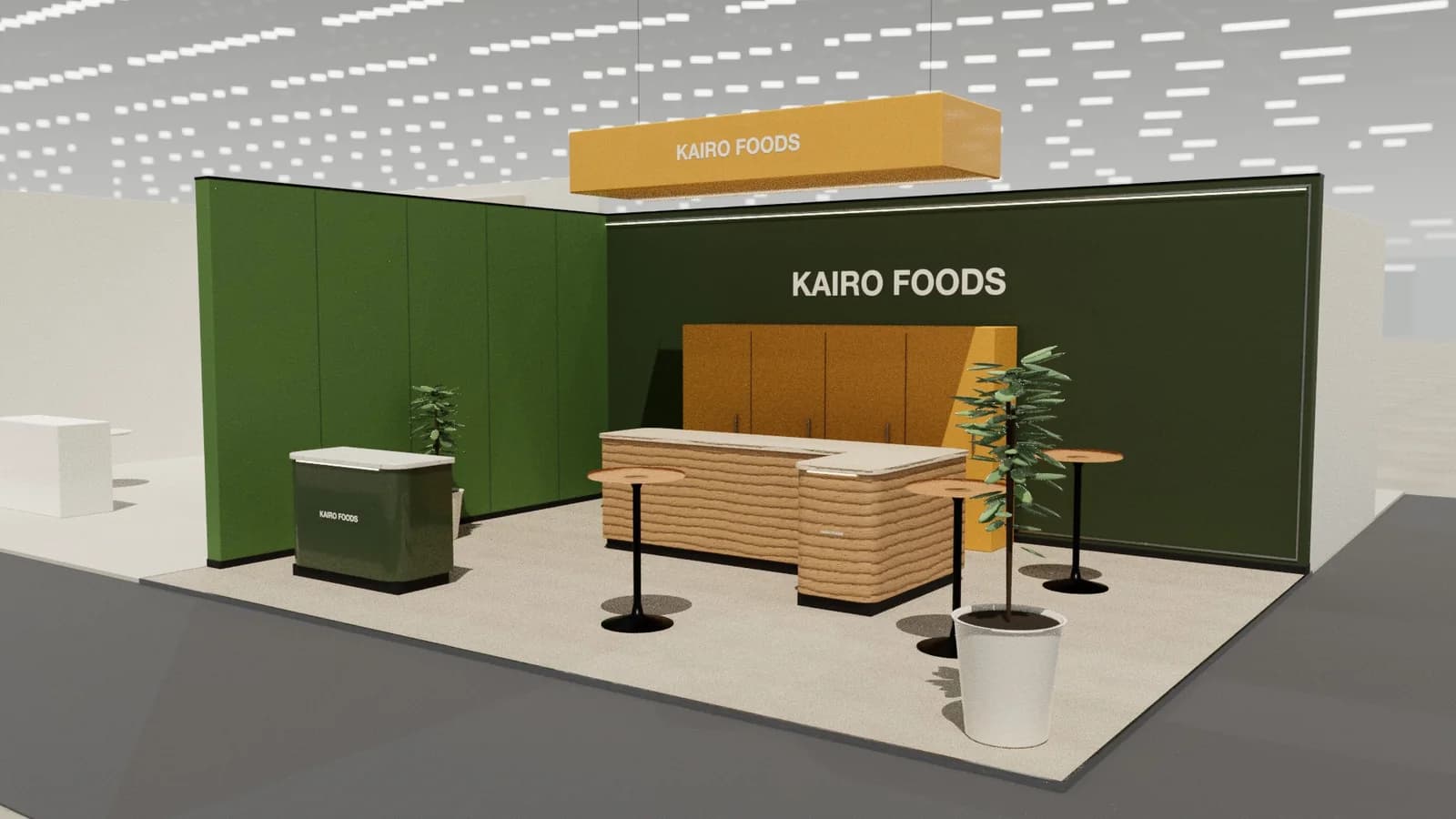
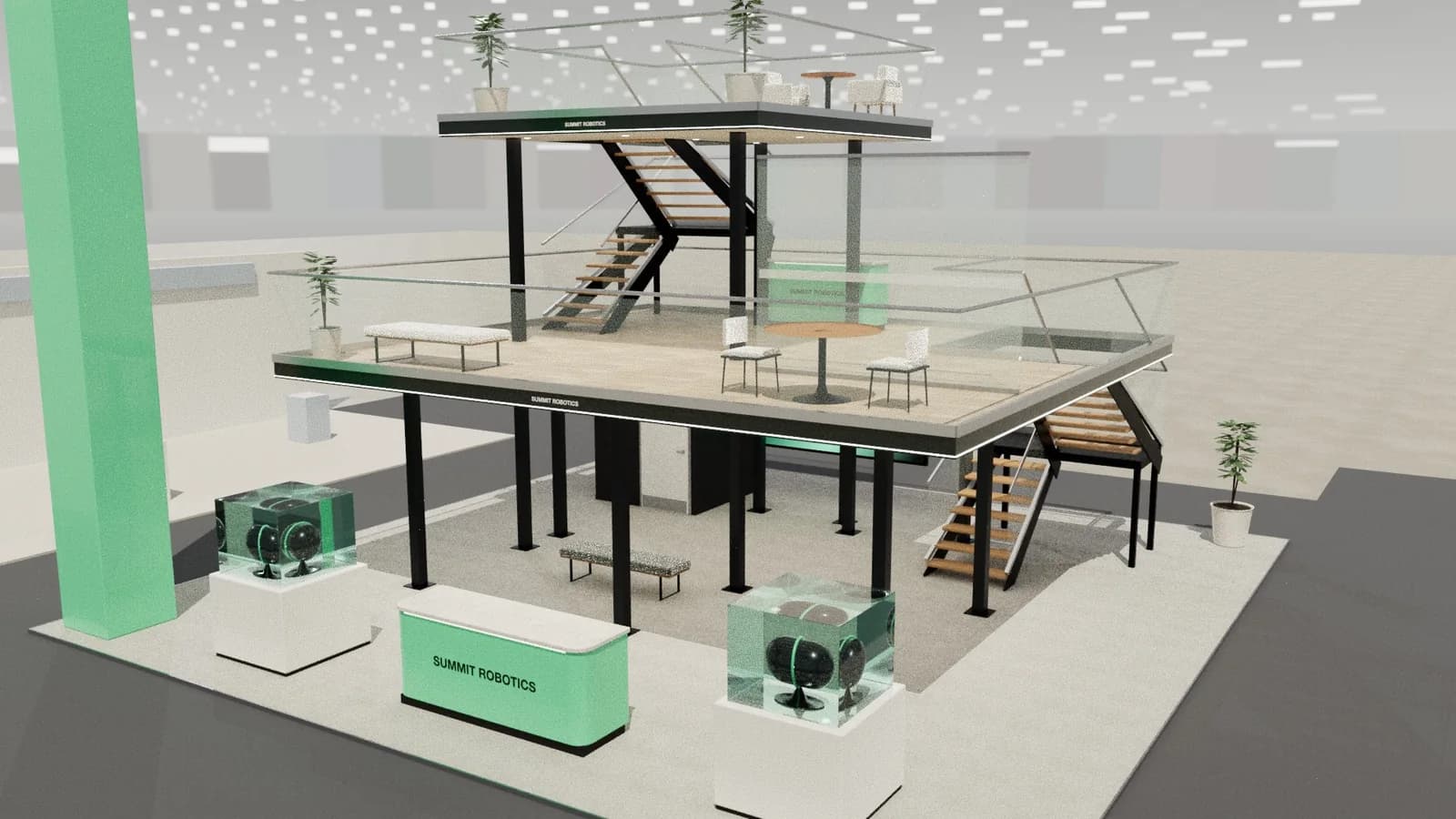
| Island | 4 | A hero product or small stage at the centre, demo pods on each face, and a closed core for storage and a meeting room. |
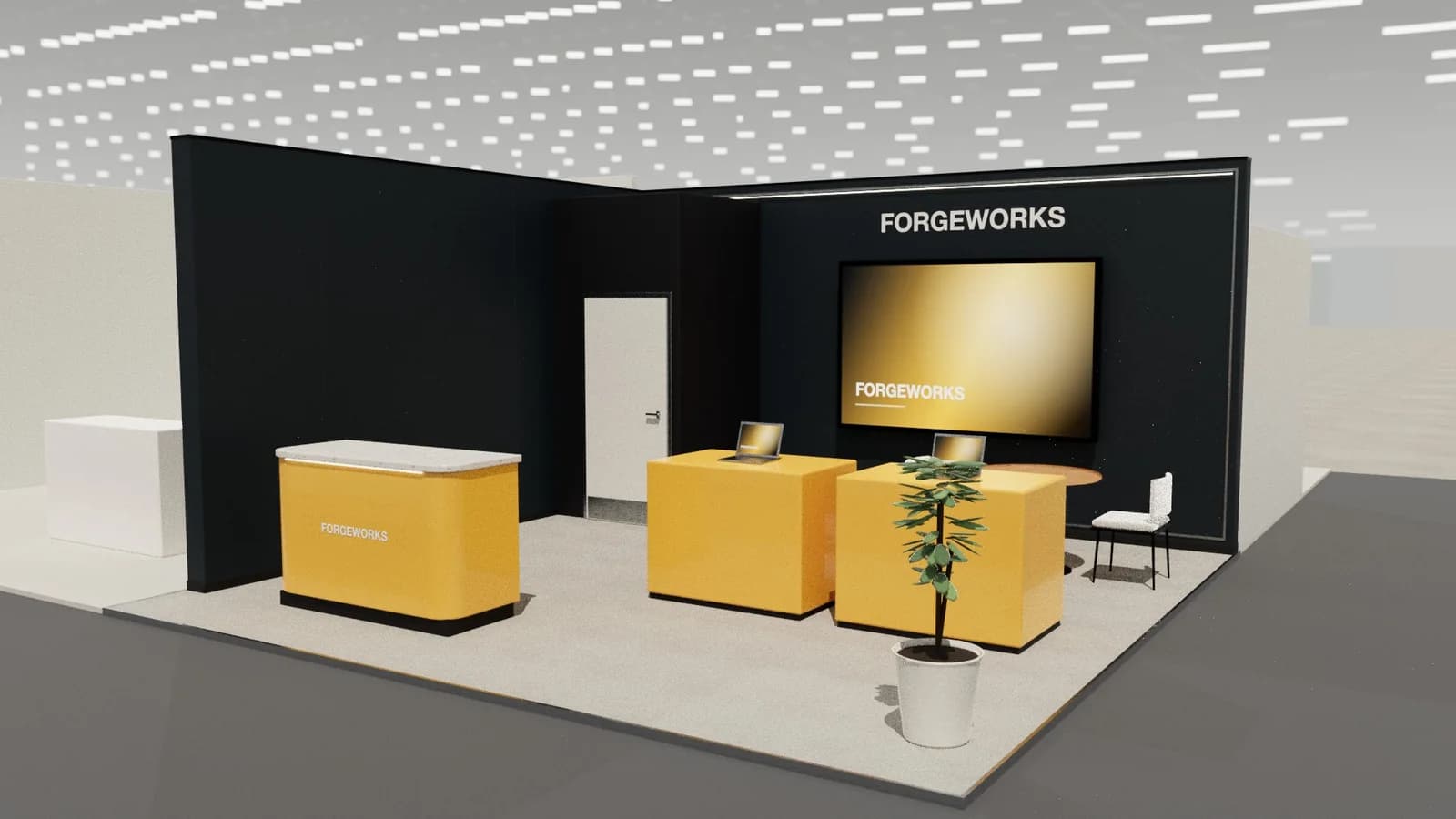
Stand ideas for SPS
- A miniature production line that visitors can interrupt with a fault.
- A software wall showing live data from the demo.
- Integrator meeting tables close to the line.
Planning, approvals and logistics
Connected demos rely on stable networks and clean power. Build and test the line in the workshop, and bring spares for key components.
Allow about 6–9 months for a custom stand. The exhibitor manual sets height limits, open-side rules and service deadlines; see venue approval and technical drawings.
Where the budget goes at SPS
Most of the budget goes into building and testing the demo line. Keep the structure modular so that the line, not the walls, can be reused at the next show.
Mistakes we see at SPS
- Separate product islands that show no system.
- Demos that depend on the hall's Wi-Fi.
An example SPS brief
An 8 × 6 m peninsula with a miniature packaging line from sensor to cloud dashboard, two integrator tables and a live fault demo every thirty minutes.
Replace the size and the zones with your own. The plot and height limit come from your contract and the exhibitor manual.
Try your SPS layout in 3D
ExhibitionBase Studio turns your plot size, open sides and a brief about demonstrations into an editable 3D stand for 5 credits, renders it and exports a plan for your builder. New workspaces get 5 free credits.
Frequently asked questions
01Where is SPS held?
At NürnbergMesse in Nuremberg, Germany. Check the organiser's site for dates and halls.
02What do SPS visitors want to see?
Systems working together. Integration and open interfaces count for more than one product on a plinth.
03How early should I start designing a SPS stand?
For a custom stand, about 6–9 months ahead: long enough for design, organiser approval, production and shipping. Shell scheme stands can be planned in weeks.
04Can I reuse my SPS stand at other shows?
Often, if it is modular. Design the core (walls, counters, demonstrations area) to work on several plot sizes, and swap graphics per show. See [modular vs custom stands](/guides/modular-vs-custom-exhibition-stands).
Put it into practice
From a client brief to a 3D stand concept in minutes
An editable 3D exhibition stand concept from a written brief and the brand's website, at your exact size.
Guidance here reflects common practice. Venues, organisers and countries set their own rules: always check the exhibitor manual and work with a qualified stand builder and engineer for structures.