In short
IAA Mobility moved the car show towards a wider idea of mobility, with trade days and public sites across Munich. A stand here has to work for press, suppliers and the public, so plan a strong vehicle or technology story, a charging or software experience and a route for test drives. Start a custom stand about 12–15 months ahead and confirm dates, height limits and rules in the exhibitor manual.
Key points
- Where and when: Munich, every two years in Munich, in odd years.
- The audience is mostly automotive suppliers.
- A clear story beyond one car.
- Experiences for the public.
- Plan a custom stand about 12–15 months before the show.
IAA Mobility for exhibitors
The event mixes a trade summit at the fairgrounds with open-air brand presentations in the city. Software, batteries and suppliers now share space with vehicle makers.
| IAA Mobility | |
|---|---|
| City | Munich |
| Venue | Messe München and sites around the city |
| Sector | Cars and urban mobility |
| Cycle | Every two years in Munich, in odd years |
| Main stand activity | Hands-on experiences |
| Custom stand lead time | 12–15 months |
Who you are designing for
Automotive suppliers, technology companies, press, policy people and the public.
What matters most on an IAA Mobility stand:
- A clear story beyond one car.
- Experiences for the public.
- Supplier meetings.
- Good camera angles for press.
Layouts for hands-on experiences, by stand type
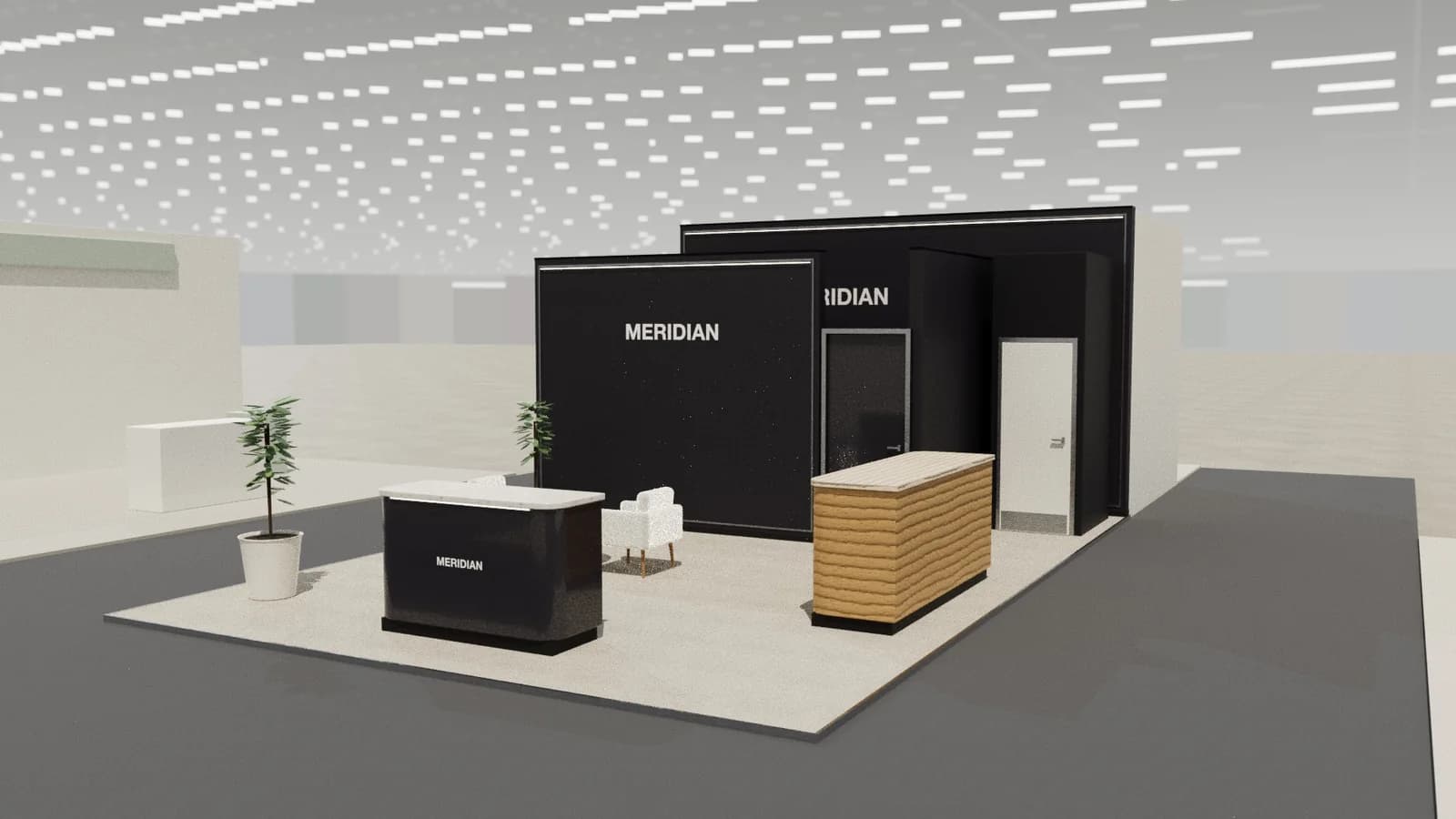
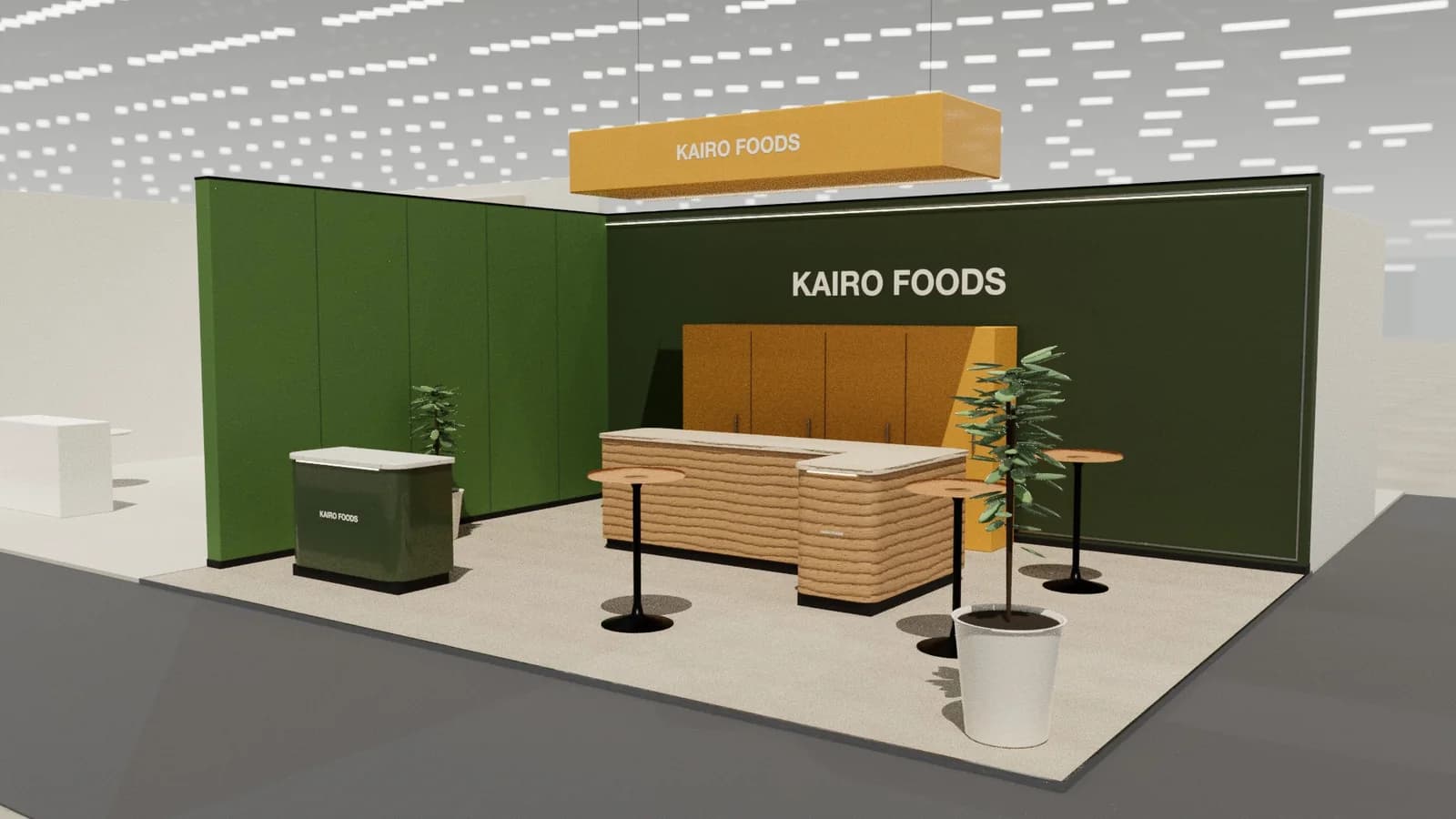
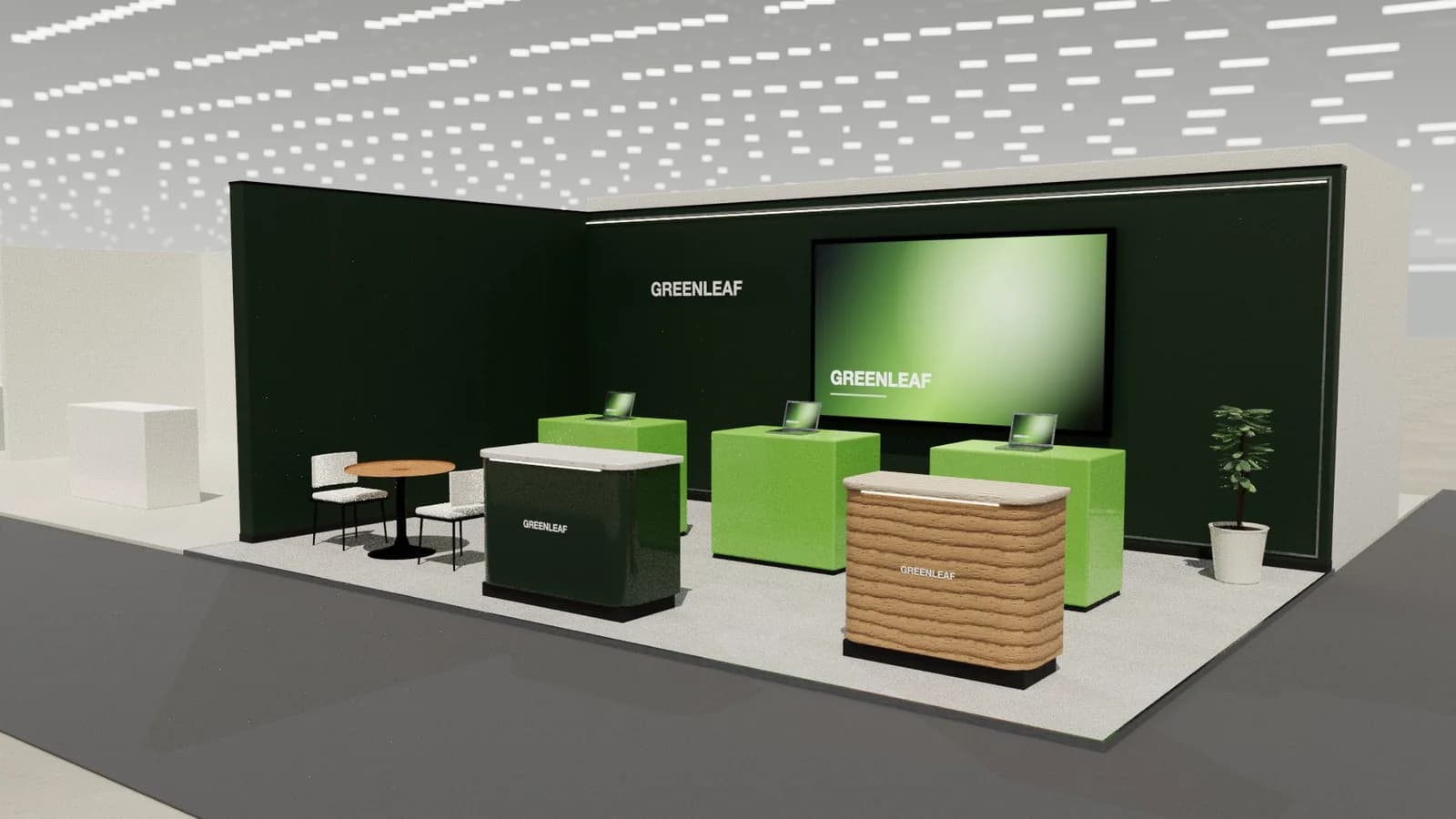
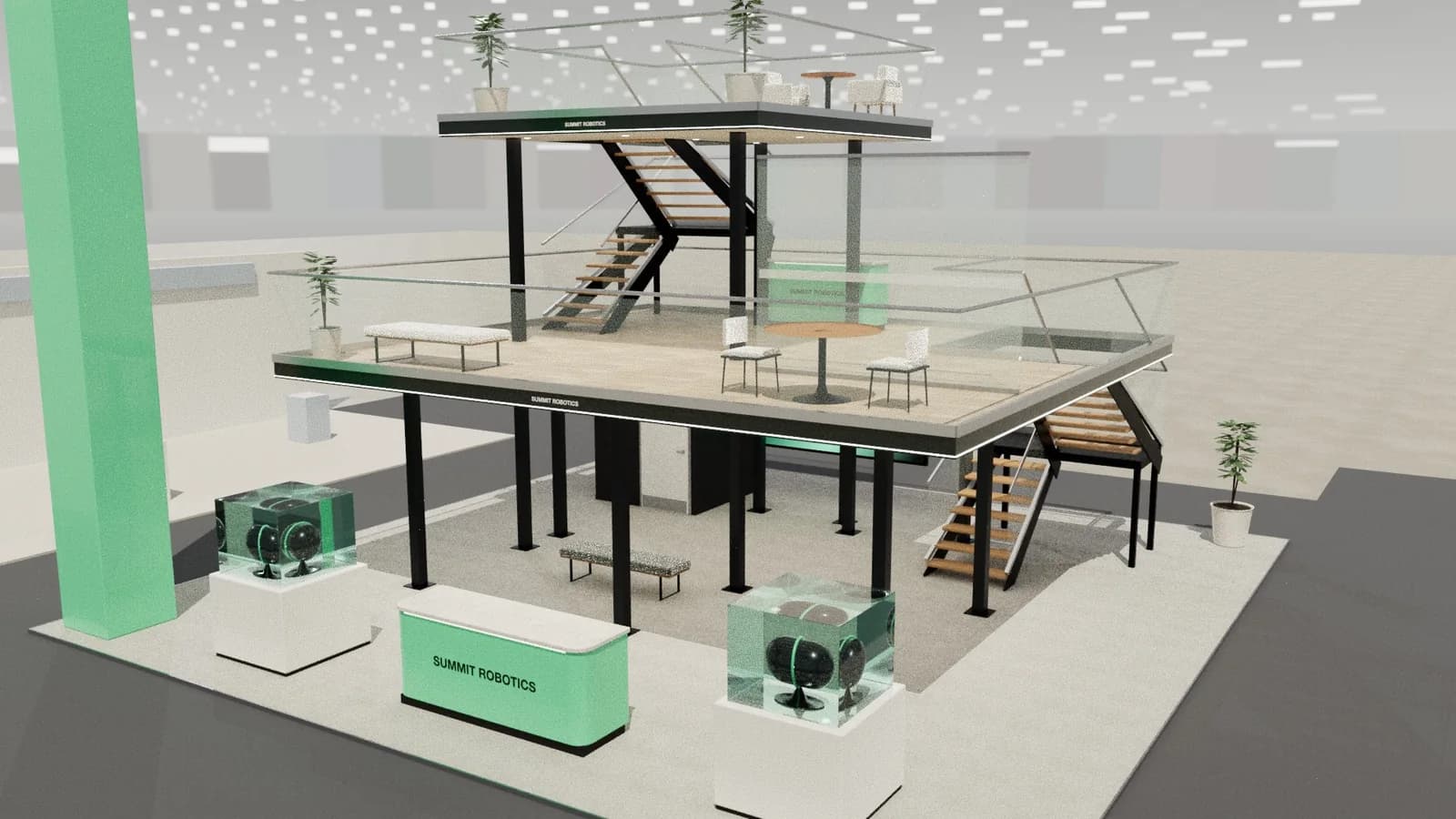
Most IAA Mobility exhibitors build around hands-on experiences. How that works depends on how many sides of your plot are open. If you are unsure which type you have, see exhibition stand types.
| Stand type | Open sides | What works |
|---|---|---|
| Row (inline) | 1 | One try-it station at the front with the queue held inside the stand, not in the aisle. |
| Island | 4 | A central stage or arena, stations around the perimeter, queues inside the footprint and meeting space on a deck. |
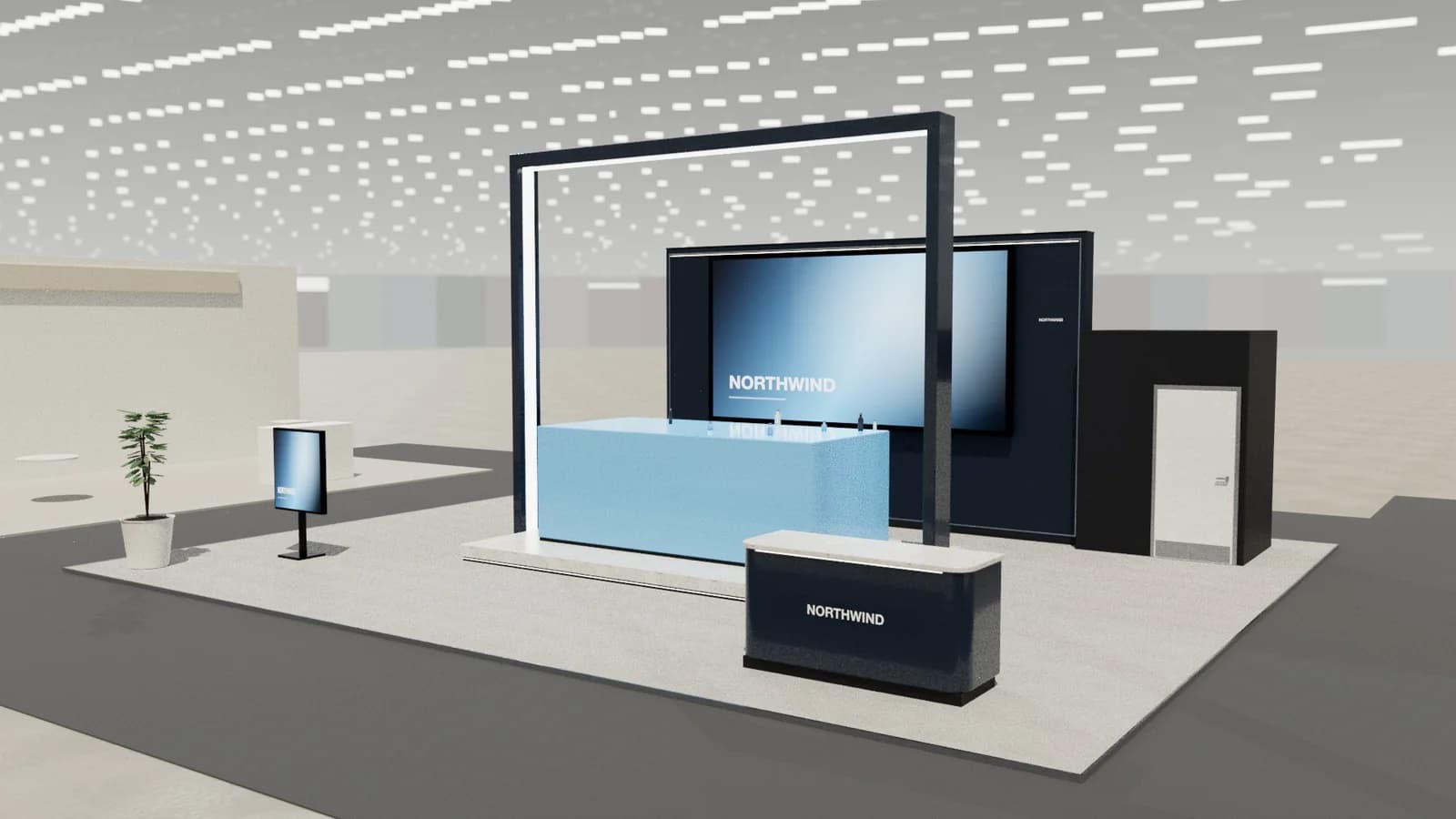
Stand ideas for IAA Mobility
- A vehicle cut open to show the battery.
- A software cockpit demo.
- A charging story with live figures.
Planning, approvals and logistics
City sites have their own permits and access. Don't assume that the rules for a hall apply to an open-air plot.
Allow about 12–15 months for a custom stand. The exhibitor manual sets height limits, open-side rules and service deadlines; see venue approval and technical drawings.
Where the budget goes at IAA Mobility
Vehicles, lighting and press hospitality take the most. Public visitors add wear, so budget for durable surfaces and cleaning.
Mistakes we see at IAA Mobility
- A static car with no story.
- Treating a public city site like a trade hall.
An example IAA Mobility brief
A 15 × 10 m stand with one electric car on a low platform, a charging demo, a software wall and a press area, with a separate test-drive desk.
Replace the size and the zones with your own. The plot and height limit come from your contract and the exhibitor manual.
Try your IAA Mobility layout in 3D
ExhibitionBase Studio turns your plot size, open sides and a brief about hands-on experiences into an editable 3D stand for 5 credits, renders it and exports a plan for your builder. New workspaces get 5 free credits.
Frequently asked questions
01Where is IAA Mobility held?
In Munich, at the exhibition centre and at open sites across the city.
02Is it the same as IAA Transportation?
No. [IAA Transportation](/guides/iaa-transportation-stand-design) covers commercial vehicles, in Hannover.
03How early should I start designing an IAA Mobility stand?
For a custom stand, about 12–15 months ahead: long enough for design, organiser approval, production and shipping. Shell scheme stands can be planned in weeks.
04Can I reuse my IAA Mobility stand at other shows?
Often, if it is modular. Design the core (walls, counters, hands-on experiences area) to work on several plot sizes, and swap graphics per show. See [modular vs custom stands](/guides/modular-vs-custom-exhibition-stands).
Put it into practice
From a client brief to a 3D stand concept in minutes
An editable 3D exhibition stand concept from a written brief and the brand's website, at your exact size.
Guidance here reflects common practice. Venues, organisers and countries set their own rules: always check the exhibitor manual and work with a qualified stand builder and engineer for structures.