In short
Heimtextil is the global fair for home and contract textiles. Buyers handle fabric, compare colours and place orders. A stand should let textiles hang, drape and be touched under accurate light, with collections organised by story and a calm area for discussing orders. Start a custom stand about 4–6 months ahead and confirm dates, height limits and rules in the exhibitor manual.
Key points
- Where and when: Frankfurt, annual in Frankfurt, usually in January.
- The audience is mostly retail buyers.
- Accurate colour under light.
- Fabric you can handle.
- Plan a custom stand about 4–6 months before the show.
Heimtextil for exhibitors
Weavers, printers and designers show upholstery, curtains, bedlinen and hospitality textiles. Trend forums influence the look of the show, and contract buyers look for performance data such as fire ratings.
| Heimtextil | |
|---|---|
| City | Frankfurt |
| Venue | Messe Frankfurt |
| Sector | Home and contract textiles |
| Cycle | Annual in Frankfurt, usually in January |
| Main stand activity | Product display and orders |
| Custom stand lead time | 4–6 months |
Who you are designing for
Retail buyers, interior designers, hospitality specifiers and wholesalers.
What matters most on a Heimtextil stand:
- Accurate colour under light.
- Fabric you can handle.
- Clear collection stories.
- Contract performance data.
Layouts for product display and orders, by stand type
Most Heimtextil exhibitors build around product display and orders. How that works depends on how many sides of your plot are open. If you are unsure which type you have, see exhibition stand types.
| Stand type | Open sides | What works |
|---|---|---|
| Row (inline) | 1 | A shop-like display wall with a counter for orders, leaving the floor clear to browse. |
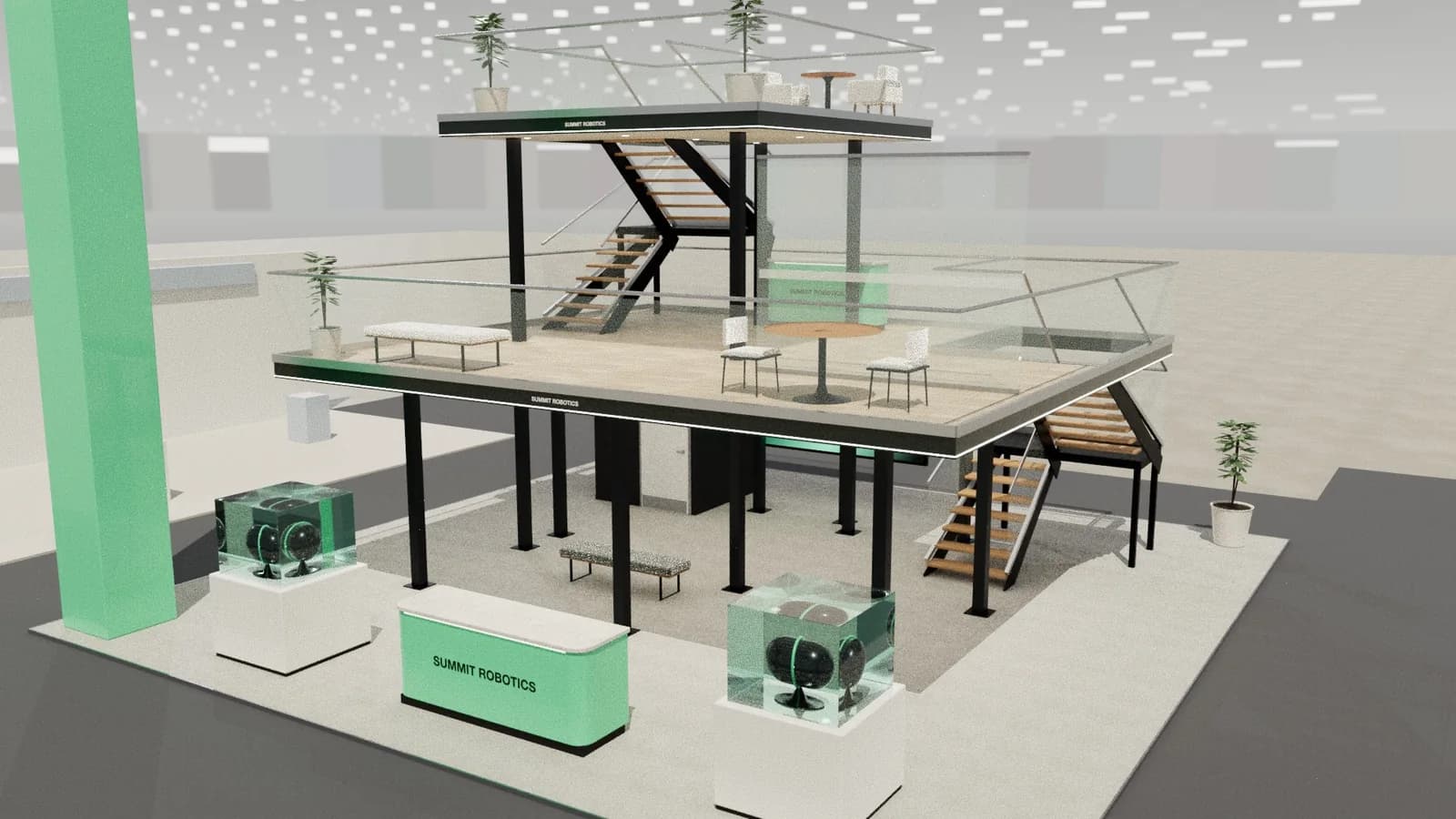
| Island | 4 | A gallery route around a central feature, with order desks and buyer seating along one side. |
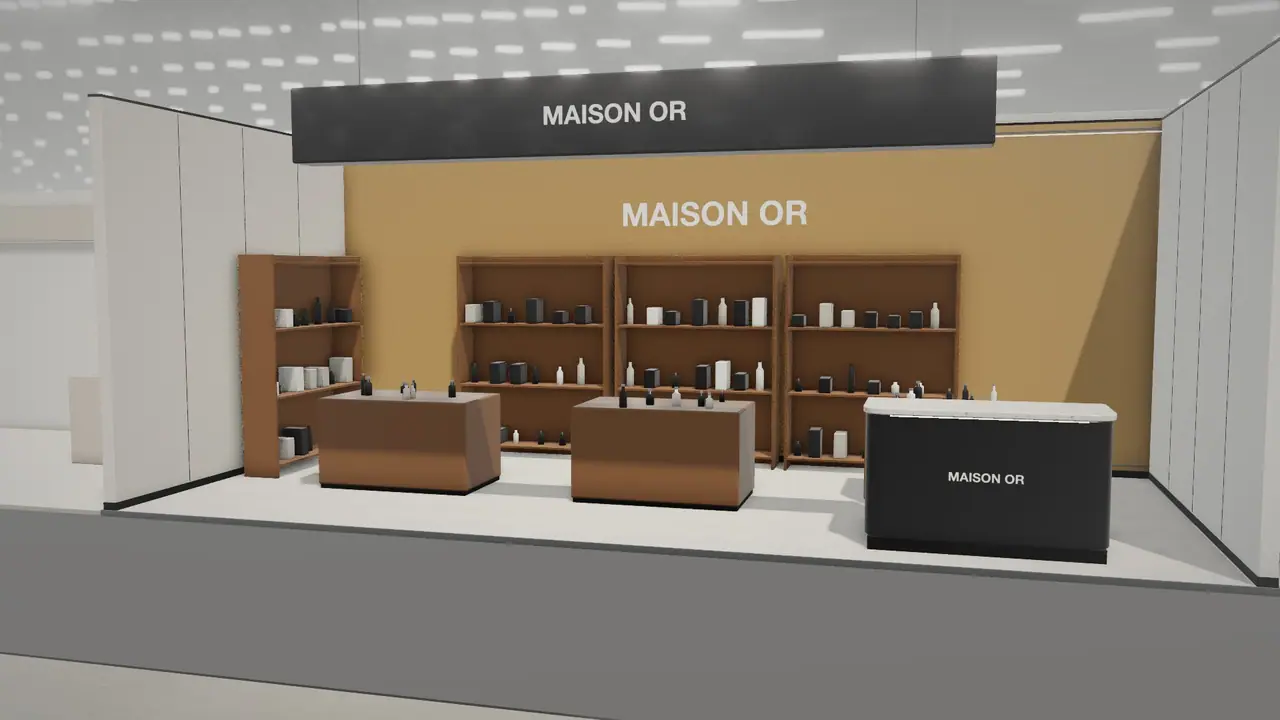
Stand ideas for Heimtextil
- Tall fabric drops that move as people pass.
- A colour wall arranged by season.
- A hotel room set for contract fabrics.
Planning, approvals and logistics
Fabric is light but needs clean handling. Bring steamers, and keep samples off the floor.
Allow about 4–6 months for a custom stand. The exhibitor manual sets height limits, open-side rules and service deadlines; see venue approval and technical drawings.
Where the budget goes at Heimtextil
Lighting and display systems for hanging fabric are the main costs. Colour accuracy decides how well a collection sells.
Mistakes we see at Heimtextil
- Yellow light that changes colours.
- Stacks of swatches with no story.
An example Heimtextil brief
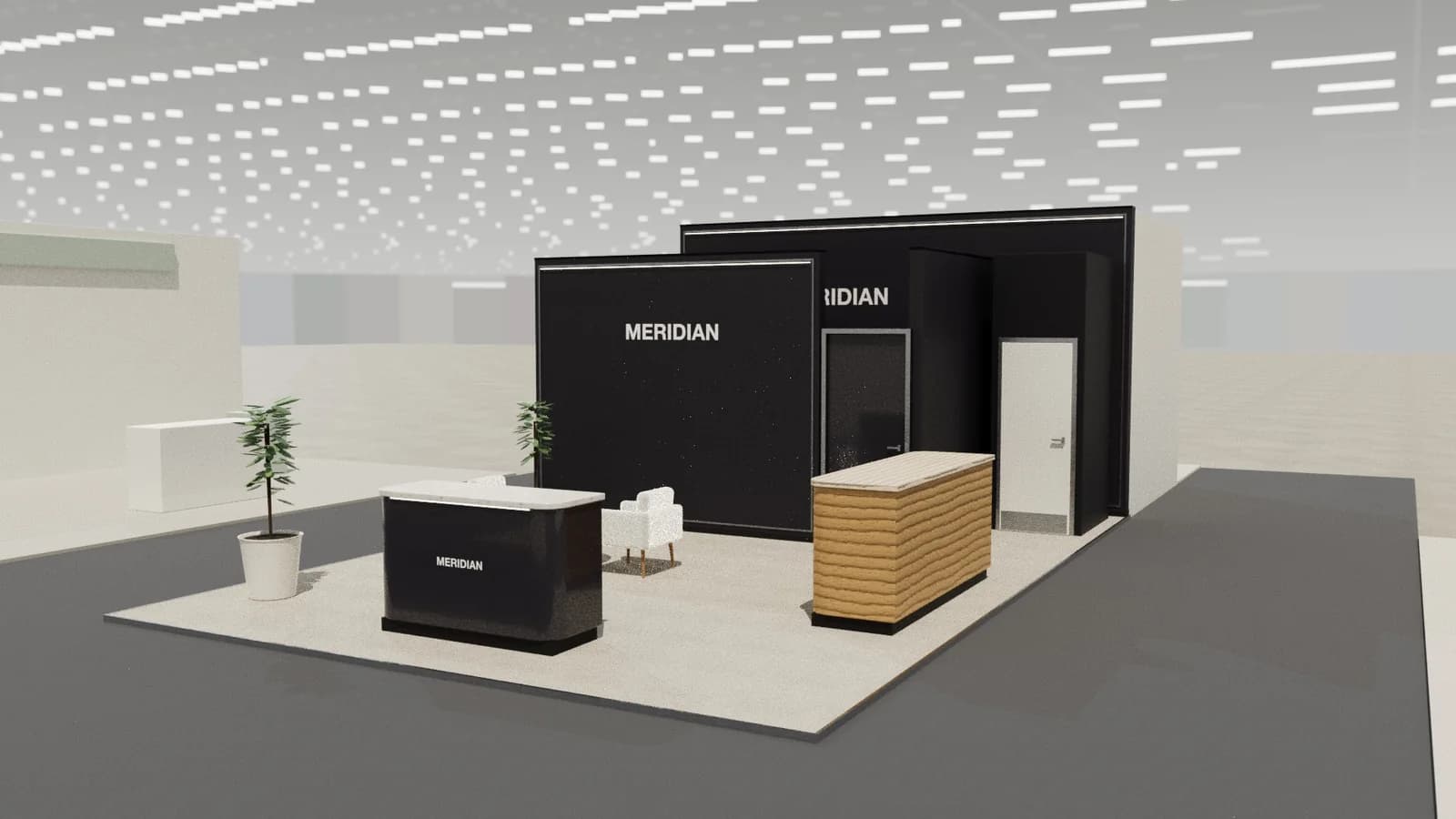
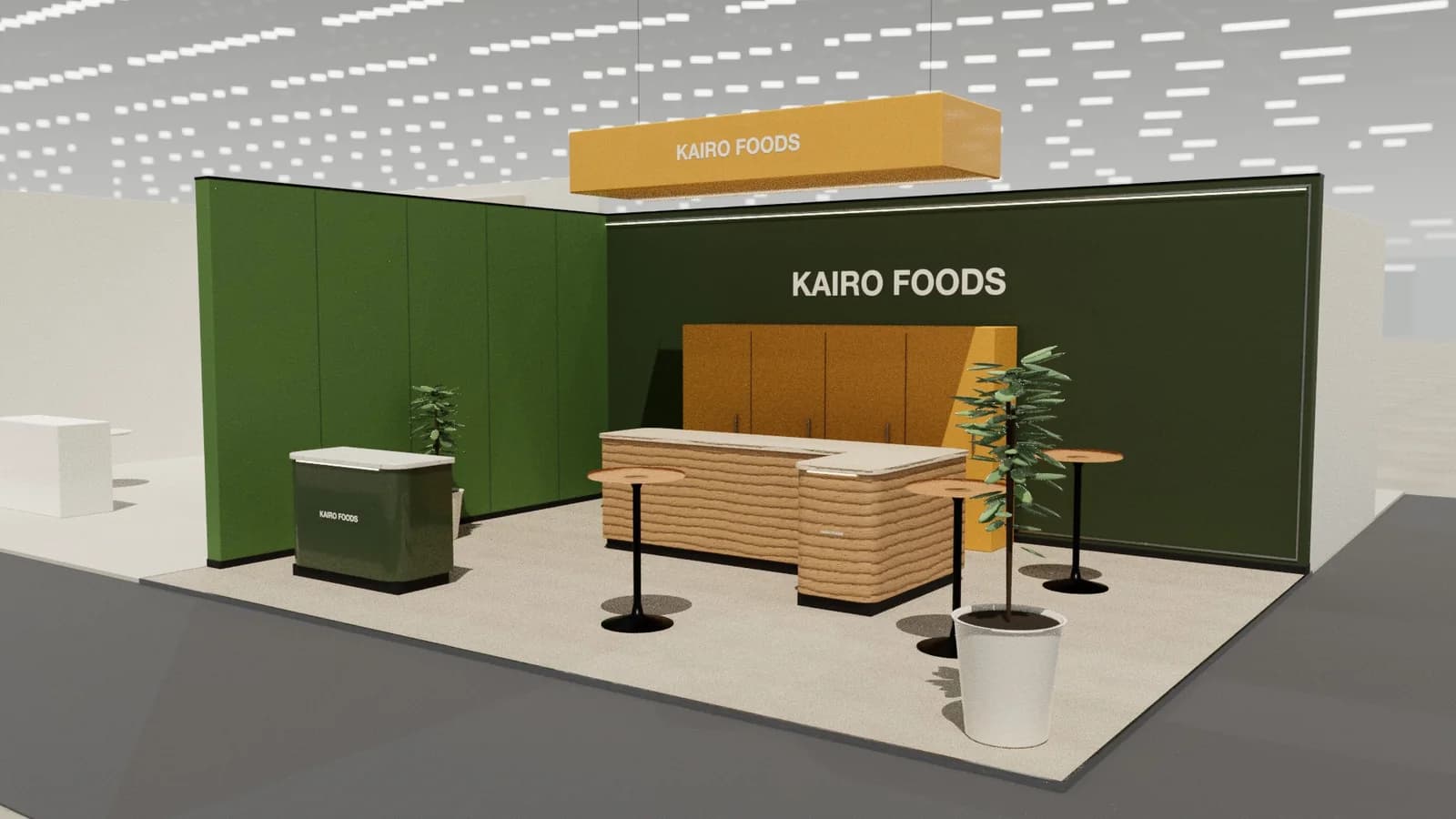
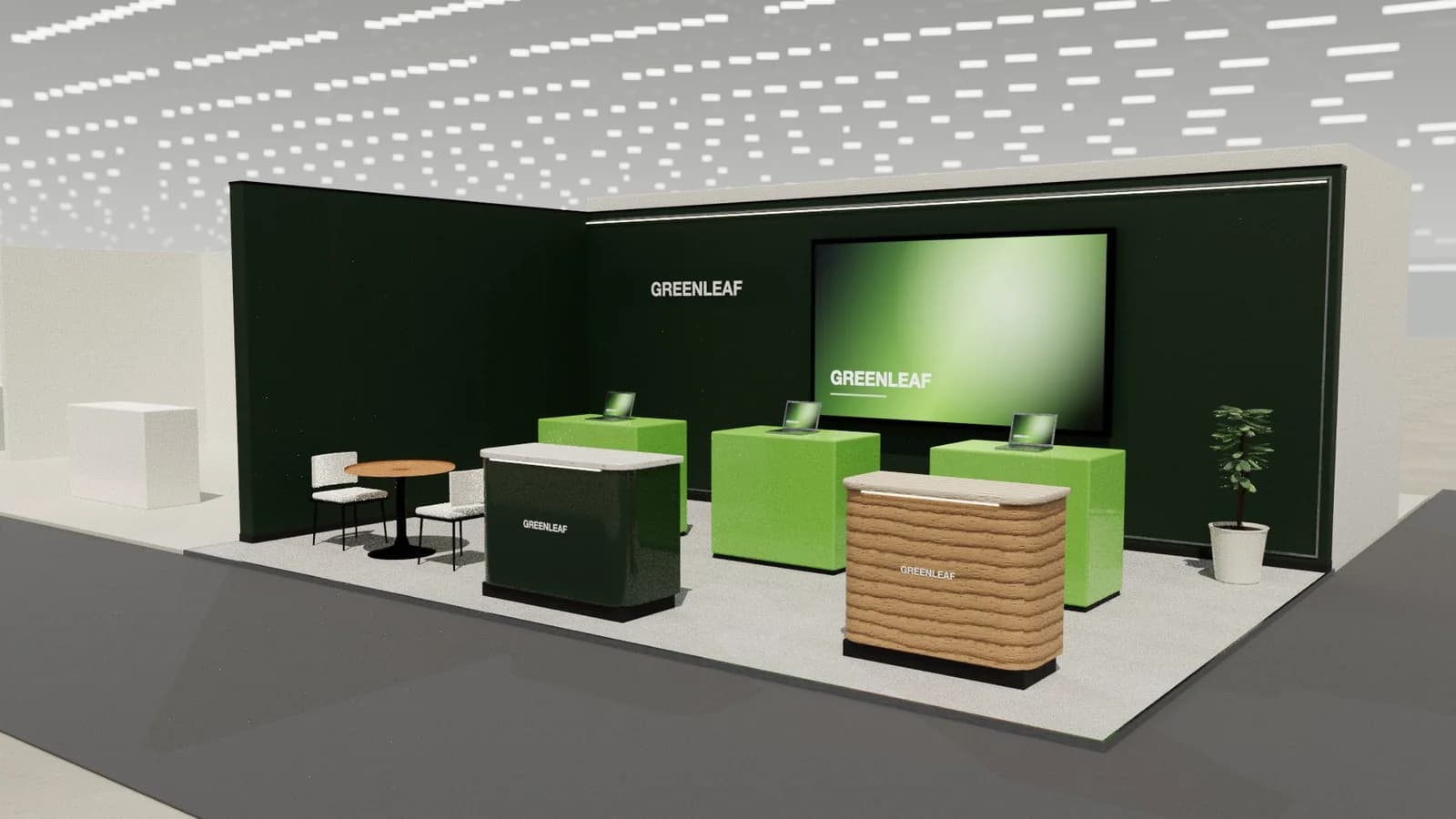
A 6 × 6 m stand with hanging textile lengths, a colour story, a sample table and an order desk, with daylight-balanced light.
Replace the size and the zones with your own. The plot and height limit come from your contract and the exhibitor manual.
Try your Heimtextil layout in 3D
ExhibitionBase Studio turns your plot size, open sides and a brief about product display and orders into an editable 3D stand for 5 credits, renders it and exports a plan for your builder. New workspaces get 5 free credits.
Frequently asked questions
01Where is Heimtextil held?
At Messe Frankfurt, annually.
02What light suits fabric?
High-CRI lighting, so colours look accurate.
03How early should I start designing a Heimtextil stand?
For a custom stand, about 4–6 months ahead: long enough for design, organiser approval, production and shipping. Shell scheme stands can be planned in weeks.
04Can I reuse my Heimtextil stand at other shows?
Often, if it is modular. Design the core (walls, counters, product display and orders area) to work on several plot sizes, and swap graphics per show. See [modular vs custom stands](/guides/modular-vs-custom-exhibition-stands).
Put it into practice
From a client brief to a 3D stand concept in minutes
An editable 3D exhibition stand concept from a written brief and the brand's website, at your exact size.
Guidance here reflects common practice. Venues, organisers and countries set their own rules: always check the exhibitor manual and work with a qualified stand builder and engineer for structures.