In short
A trade show launch works when the whole stand serves one reveal. Set a time, invite press and key customers, keep the product covered until that moment, and make sure a demo unit is ready straight after. Think about what happens when the crowd arrives: where they stand, who talks to them and how leads are captured. A launch is one moment, and the show is days long, so the stand also has to work afterwards.
Key points
- Pick a time when the hall is busy, and check the show's schedule.
- Plan the crowd, not only the reveal.
- Have working units to touch afterwards.
- Rehearse on the stand during build-up.
Run of show
| Time | What happens |
|---|---|
| Weeks before | Invite press and customers under embargo |
| Day before | Rehearse the reveal and test the AV |
| 10 minutes before | Staff invite people from the aisle |
| The reveal | A short speech and a clear moment |
| Straight after | Demo units, staff and a press area are ready |
| Rest of show | Timed repeat sessions |
Designing for a reveal
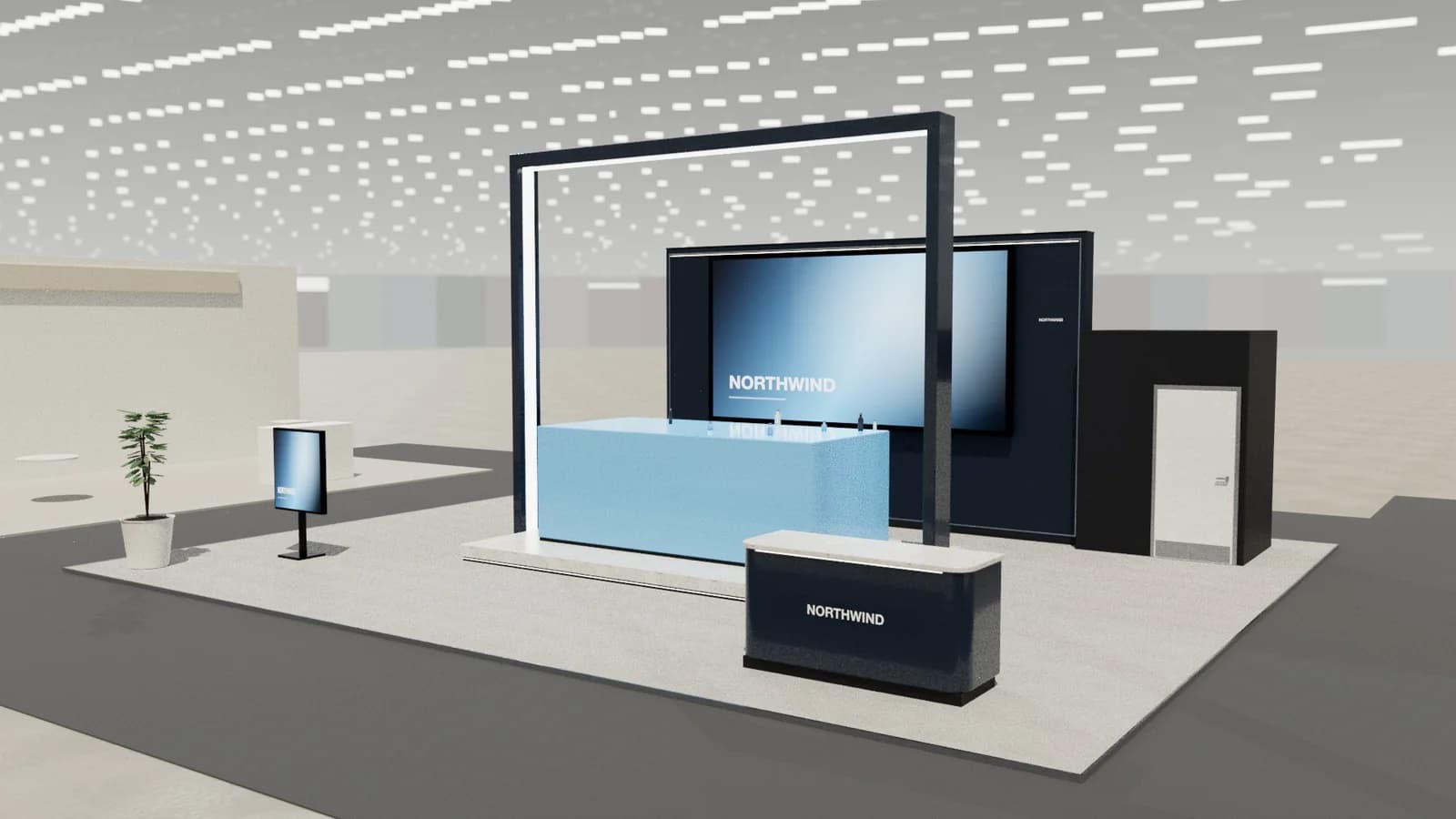
- A hero area that can be covered.
- Floor for the crowd, inside your plot.
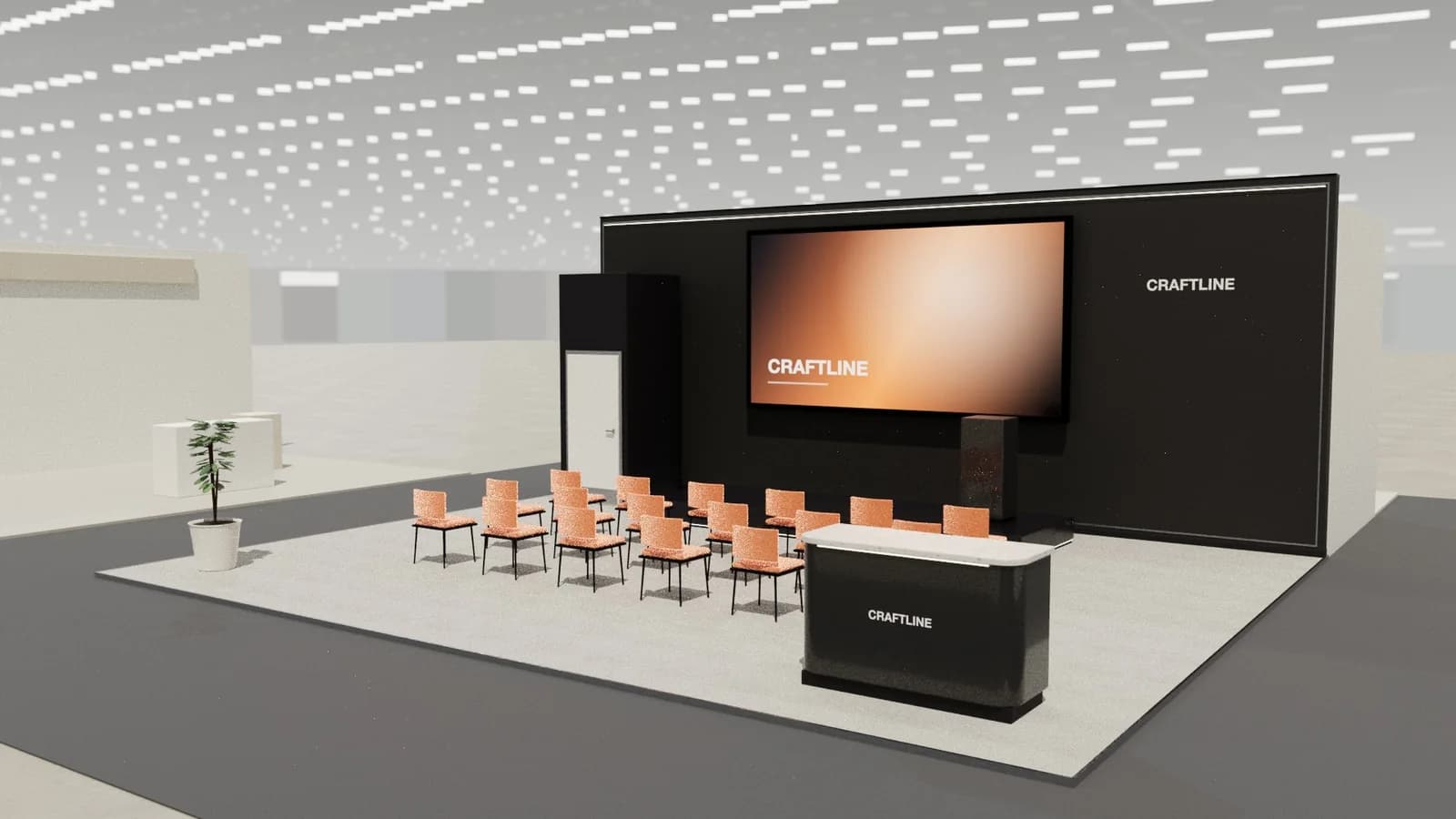
- A raised stage or platform, so people can see.
- A screen above head height.
- A safe route for a heavy or vehicle reveal.
After the reveal
Most launches lose momentum in the next five minutes. Have staff ready to talk to people, with a simple lead form and a demo. Repeat the reveal in a shorter form during the show, so that visitors who missed it still get the story. See stands with a stage.
Protecting the launch
- Keep the crate labelled neutrally.
- Ask the crew not to photograph it during build-up.
- Use a covered, locked area until the reveal.
- Have a backup if the product fails.
- Check show rules on loud audio and special effects.
Is a show the right place?
A launch suits a show when your buyers and press are all in one place, and when the product is ready to demonstrate. If it isn't ready, a preview for selected partners may be safer than a public reveal. Remember that competitors are watching. Decide what you'll say about price and availability, because those will be the first questions.
Measuring a launch
Decide what success means before the day. It could be press mentions, demo requests or orders. Count people at the reveal, leads captured in the following hour and meetings booked, and compare them with an ordinary hour on the stand.
Frequently asked questions
01When is the best time for a launch?
When the hall is busy, away from major keynotes. Check the show's programme.
02How do I keep a launch secret?
Use neutral crates, a covered area and clear rules for crew and staff.
03Do I need a stage?
Not always, but people need to see. A raised hero or a big screen can do the job.
04Can I use smoke or special effects?
Often not without approval. Check with the organiser first.
Put it into practice
Booth renders that start from the brief, not a blank prompt
Photoreal exhibition booth renders made from a dimension-controlled 3D model, with the brand's colours and logo.
Guidance here reflects common practice. Venues, organisers and countries set their own rules: always check the exhibitor manual and work with a qualified stand builder and engineer for structures.