In short
Press coverage at a show starts weeks before it opens. You need real news: a launch, a customer result or a number. Pitch it to the trade journalists who cover your sector, use the organiser's press office and media list, and arrange briefings on the stand. Have a named spokesperson and a simple press kit. Make sure one part of your stand photographs well, since a journalist may need an image in a hurry.
Key points
- No news means no coverage.
- Work with the organiser's press office.
- Name one spokesperson per day.
- Provide a good photo, ready to use.
A simple PR plan
- 01
Find the news
A launch, an award, a partnership or data.
- 02
Contact the press office
Ask how to get on to their preview lists and into the press room.
- 03
Pitch early
Offer briefings under embargo to the journalists who matter.
- 04
Prepare a press kit
A release, images, a fact sheet and contacts.
- 05
Staff the stand
Tell the team who speaks to press, and how to reach them.
On the stand
- One clear, photographable product or feature.
- A quiet place for short interviews.
- A contact card with a media email.
- Live video that doesn't need sound to make sense.
After the show
Send photos and results to people who missed you, and share coverage with your sales team. Keep a list of journalists who visited. Report coverage alongside your ROI numbers, but keep it separate from leads.
| Asset | Use |
|---|---|
| Stand photo | Press, social media, website |
| Short video | Social media, sales follow-up |
| Quote from a customer | Press and case studies |
Pre-show images
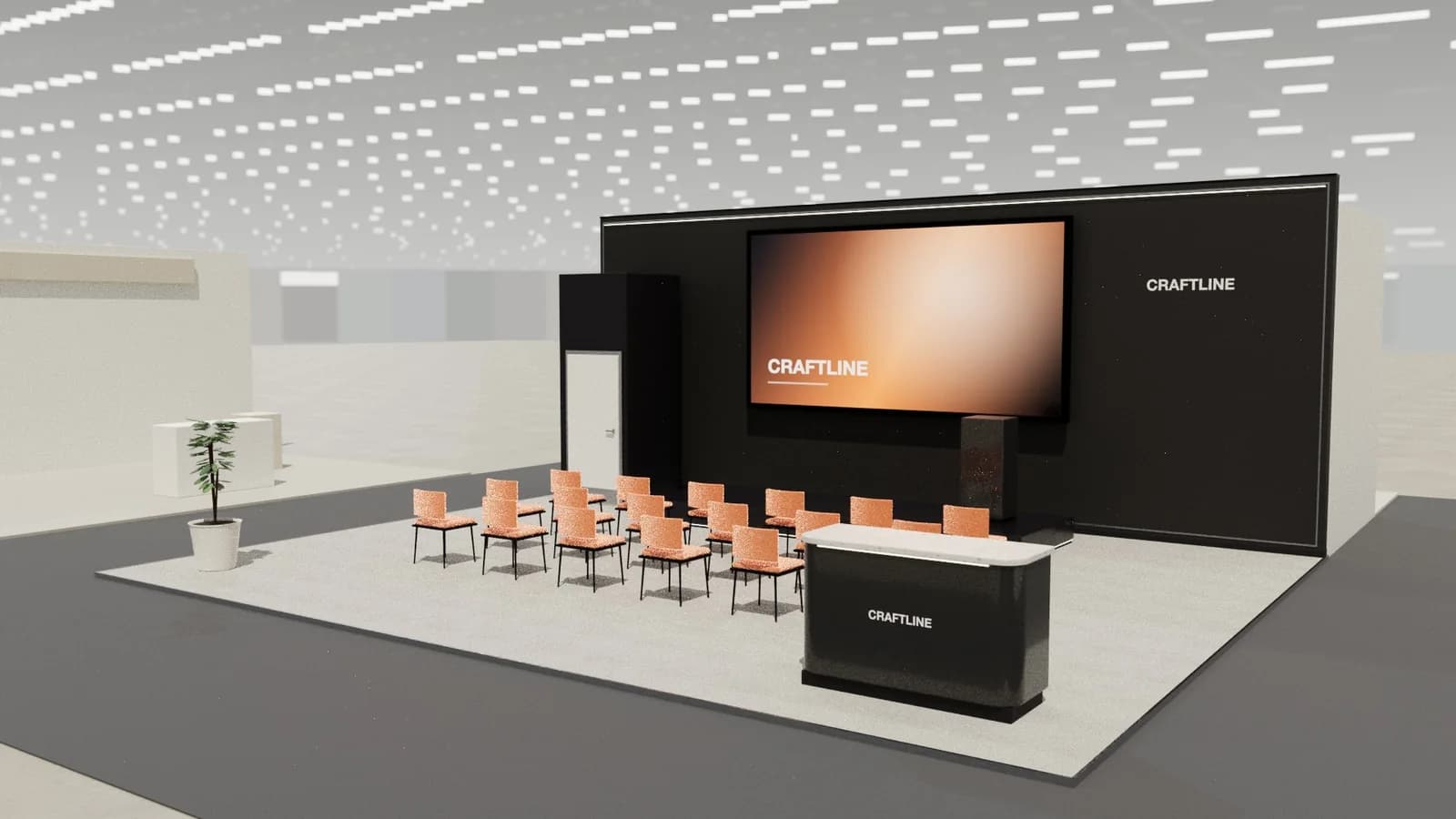
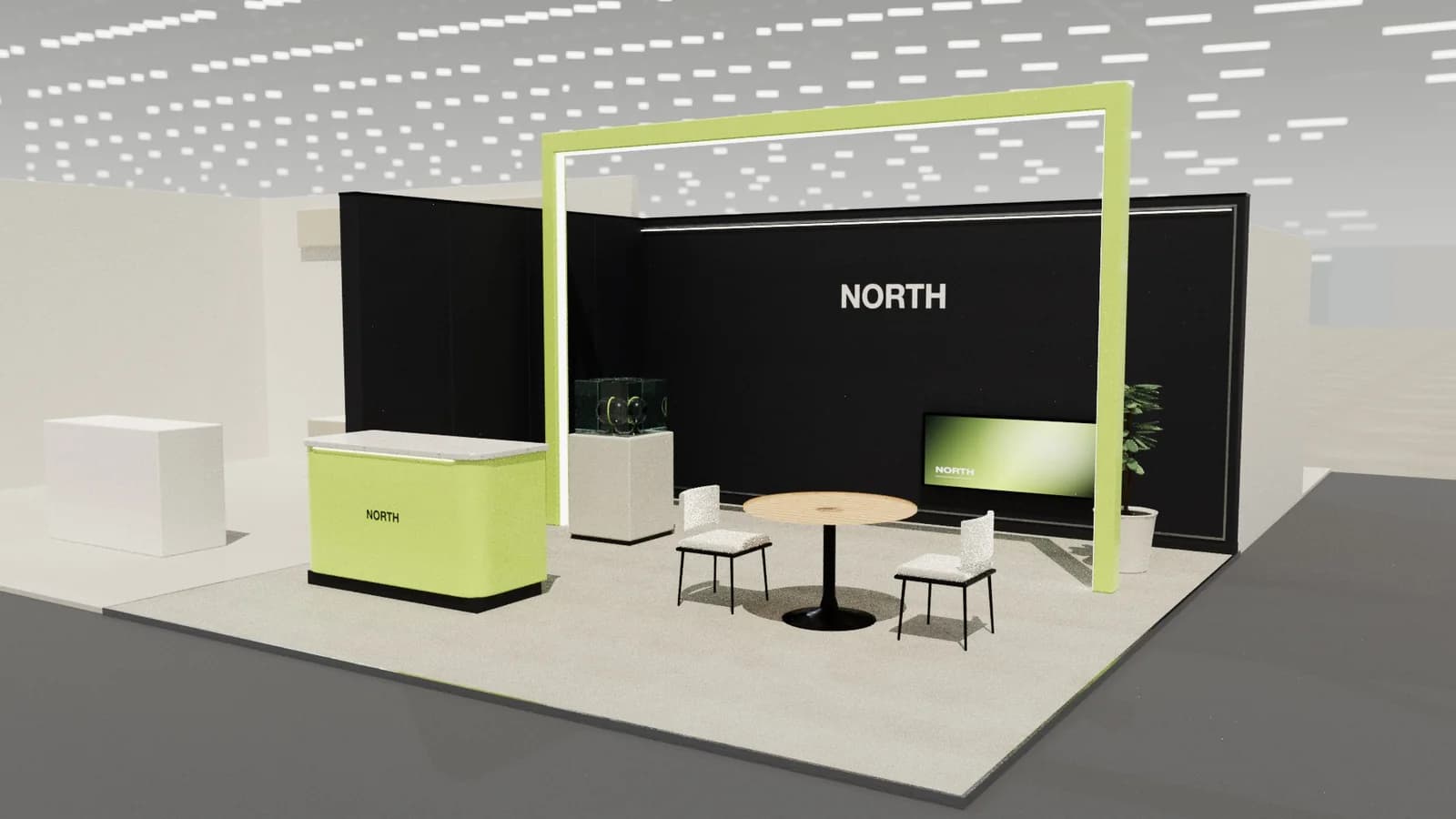
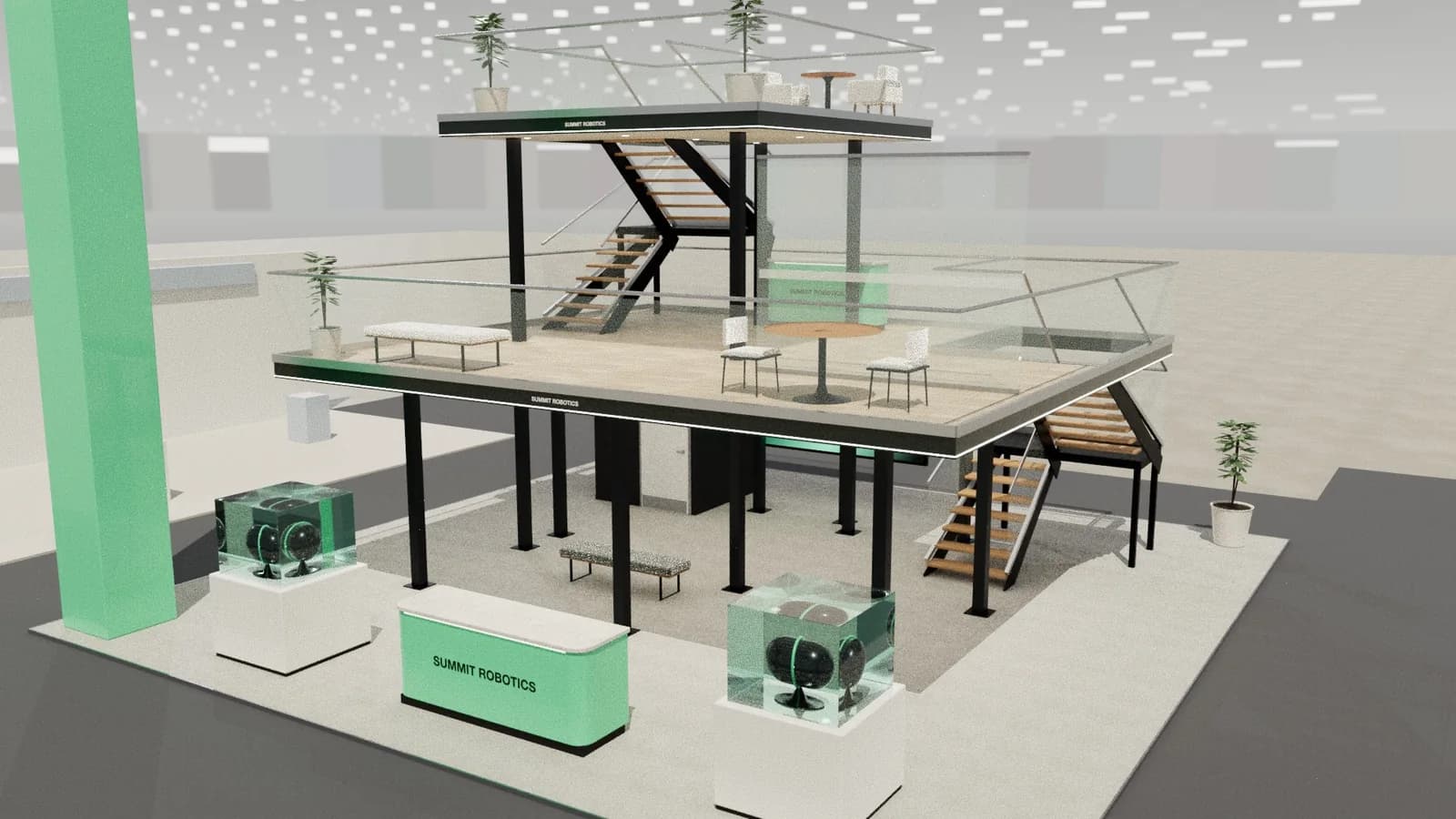
Journalists often run previews before a stand is built, and that's where a visual helps.
Who to contact
Trade titles and specialist reporters matter more than general news at most shows. List the publications your buyers read, find who covers your sector, and write to them individually. Short, specific emails work best: what's new, why it matters and when they can see it. Offer a named expert, not a marketing contact, and tell them how long a briefing will take.
Social media can extend your reach. Ask staff to share a photograph and one useful observation, and repost press coverage when it appears.
PR mistakes
Avoid pitching on the opening morning, when journalists are already booked. Don't call an ordinary update a world first, since trade reporters will know. And never leave a spokesperson on a stand without a briefing on what's under embargo.
Frequently asked questions
01How do I get press at a trade show?
Have real news, work with the press office, and pitch trade journalists early.
02What goes in a press kit?
A news release, images, a fact sheet, and contact details.
03What is an embargo?
An agreement that a journalist won't publish until a set time.
04Should I hold a press conference?
Only for major news. A small briefing or demo usually works better.
Put it into practice
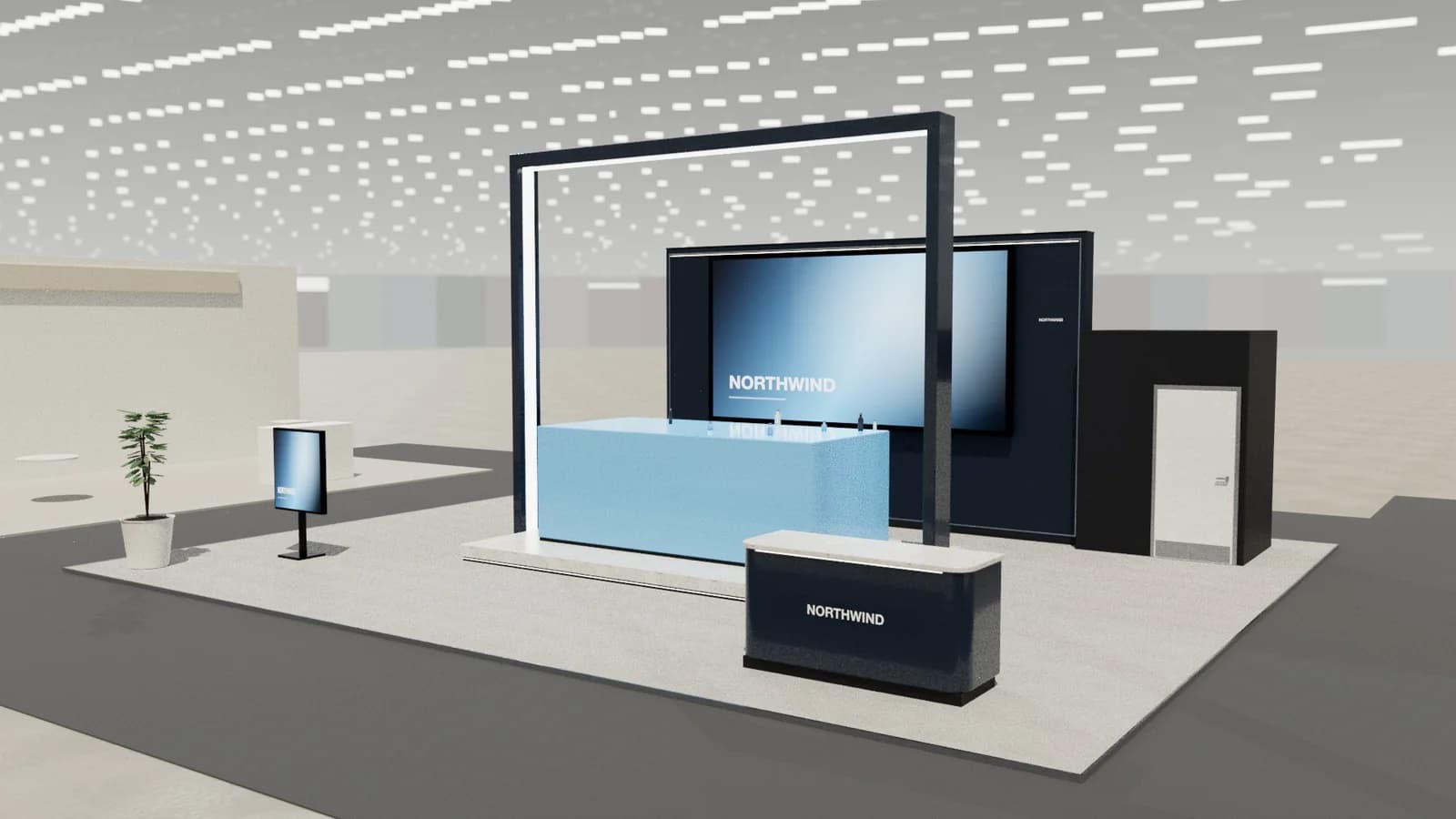
Booth renders that start from the brief, not a blank prompt
Photoreal exhibition booth renders made from a dimension-controlled 3D model, with the brand's colours and logo.
Guidance here reflects common practice. Venues, organisers and countries set their own rules: always check the exhibitor manual and work with a qualified stand builder and engineer for structures.