In short
Use a turnkey stand builder when you want one company to design and build; use an independent design agency when the concept and brand matter most, and you want builders to compete on price; do it in-house when you have the skills and repeat shows. Many teams now mix these, drafting a first concept in-house with a tool, then giving it to a builder to develop and quote.
Key points
- Turnkey is simple, but it can limit price comparison.
- An agency separates design from building, at a fee.
- In-house works for repeat, simple stands.
- AI tools change the first step, not the last.
Three routes
| Route | Good for | Watch for |
|---|---|---|
| Turnkey builder | One contract, simple management | Comparing design and build costs |
| Design agency + builder | Flagship shows, brand-led work | Fees and a gap between the two parties |
| In-house + builder | Repeat shows, marketing-led teams | Technical mistakes, internal time |
Who does each step
| Step | Agency | Builder | You |
|---|---|---|---|
| Objectives and brief | Support | Support | Own |
| Concept | Own | Option | Option |
| Technical drawings | Partly | Own | Check |
| Approvals | Support | Own | Check |
| Build and install | Oversee | Own | Check |
Where AI fits
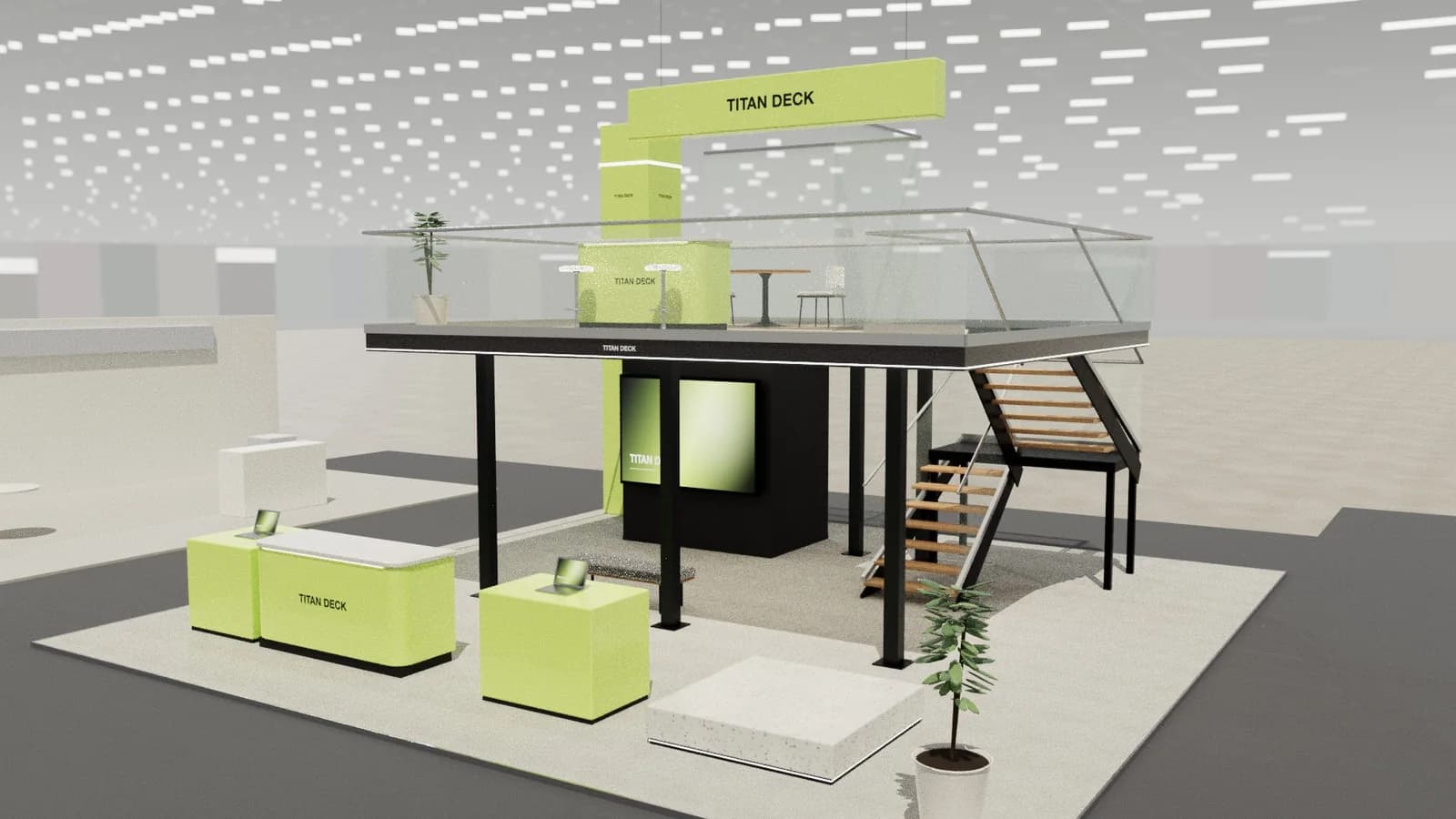
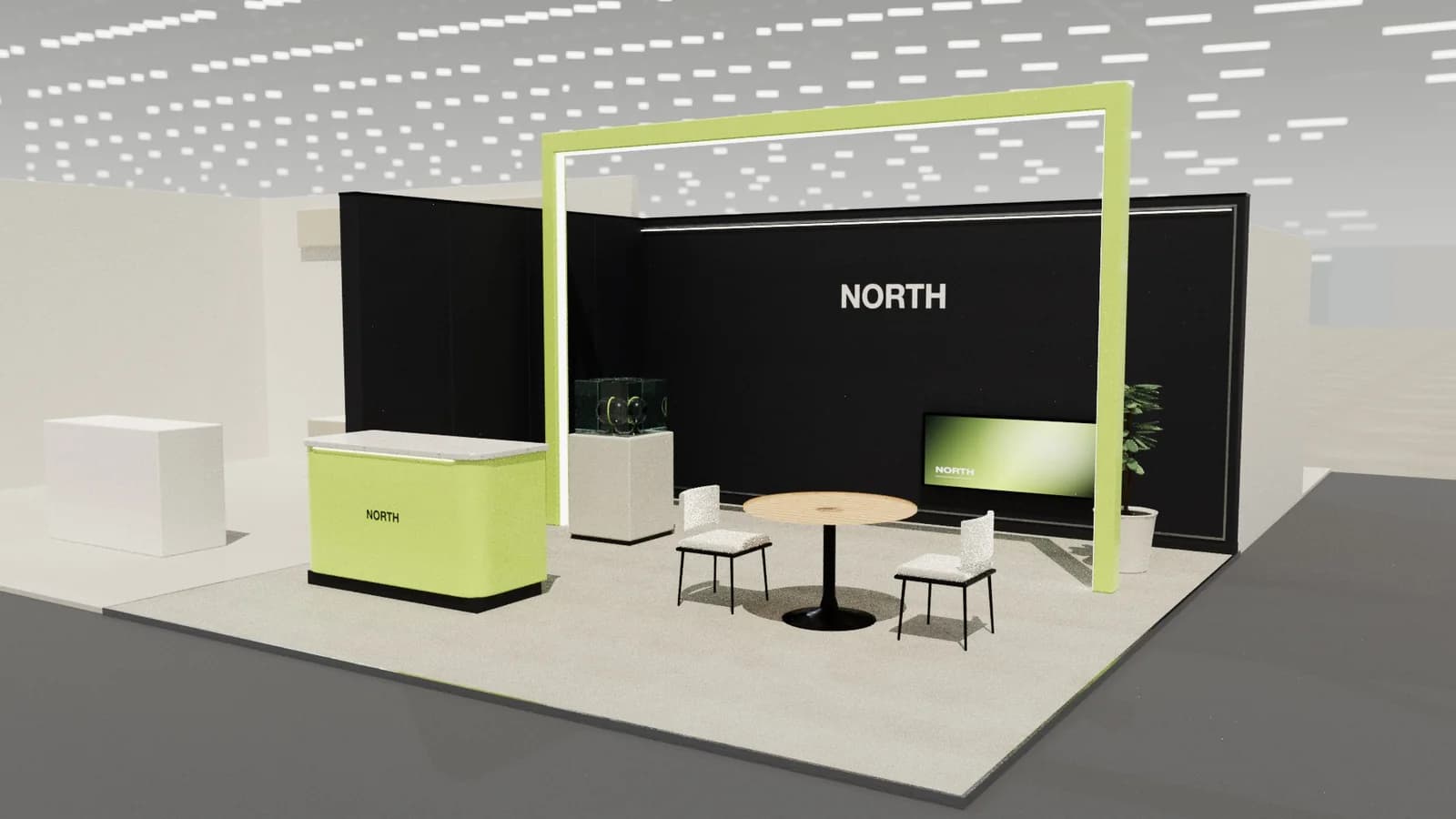
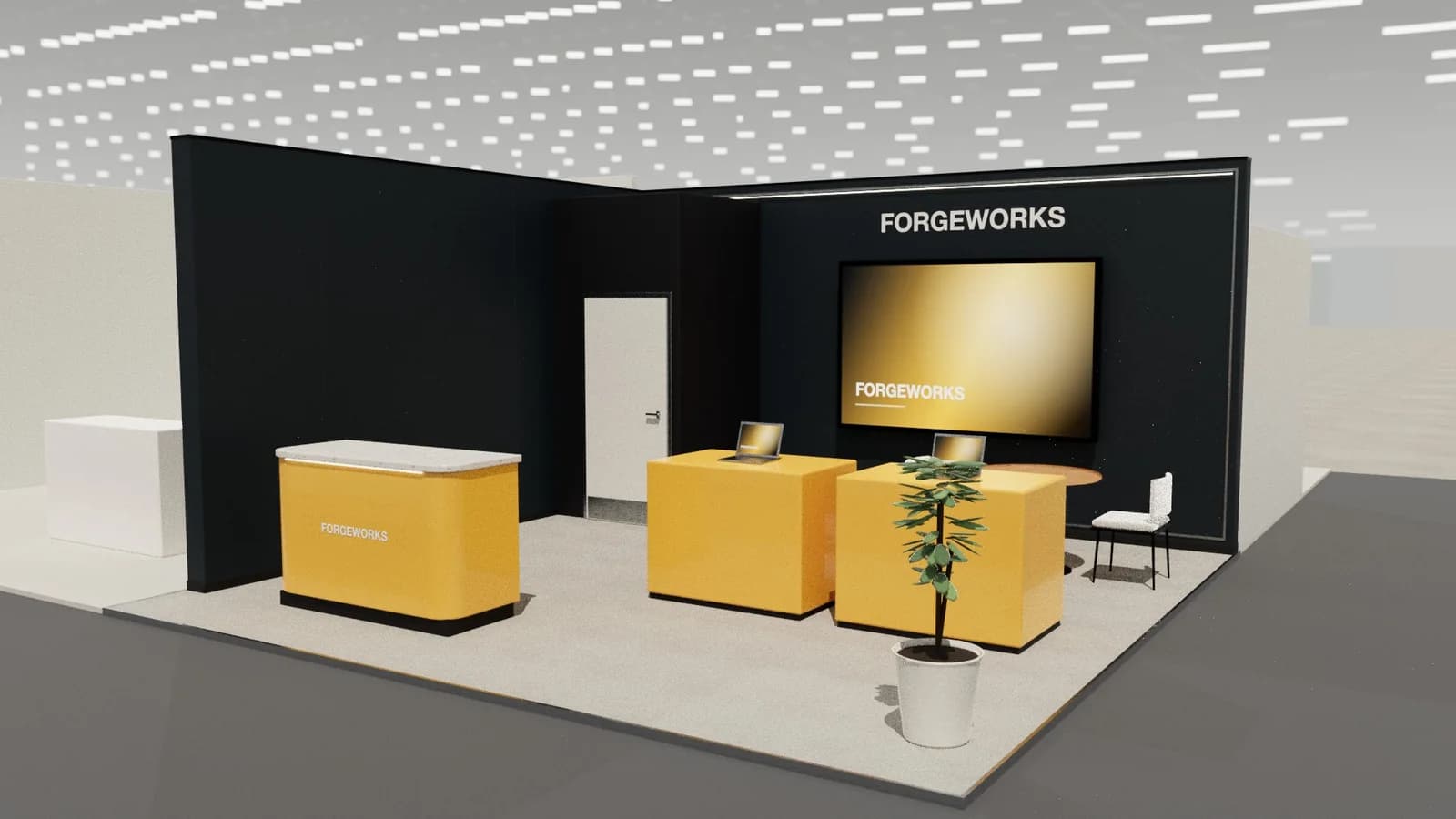
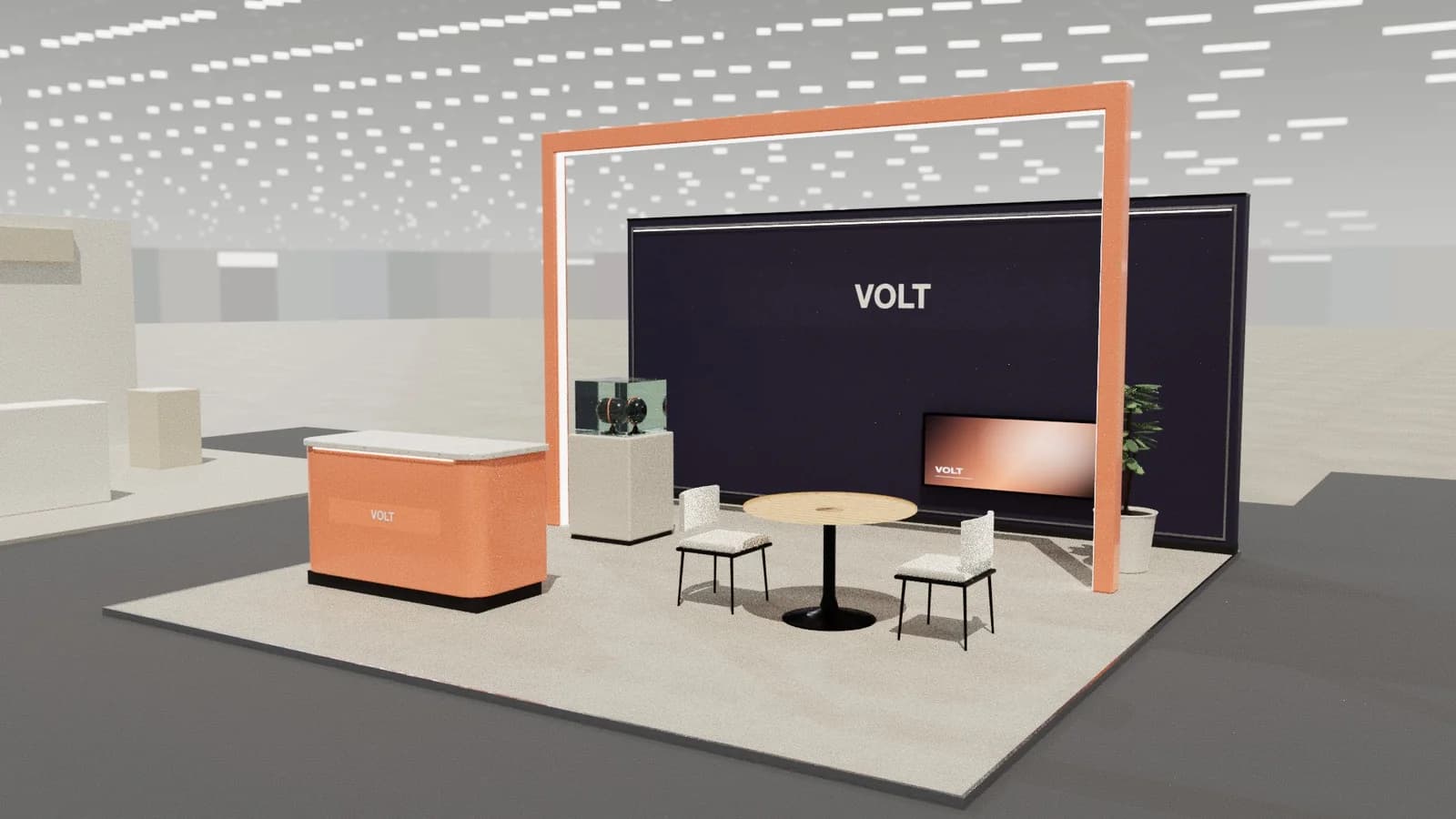
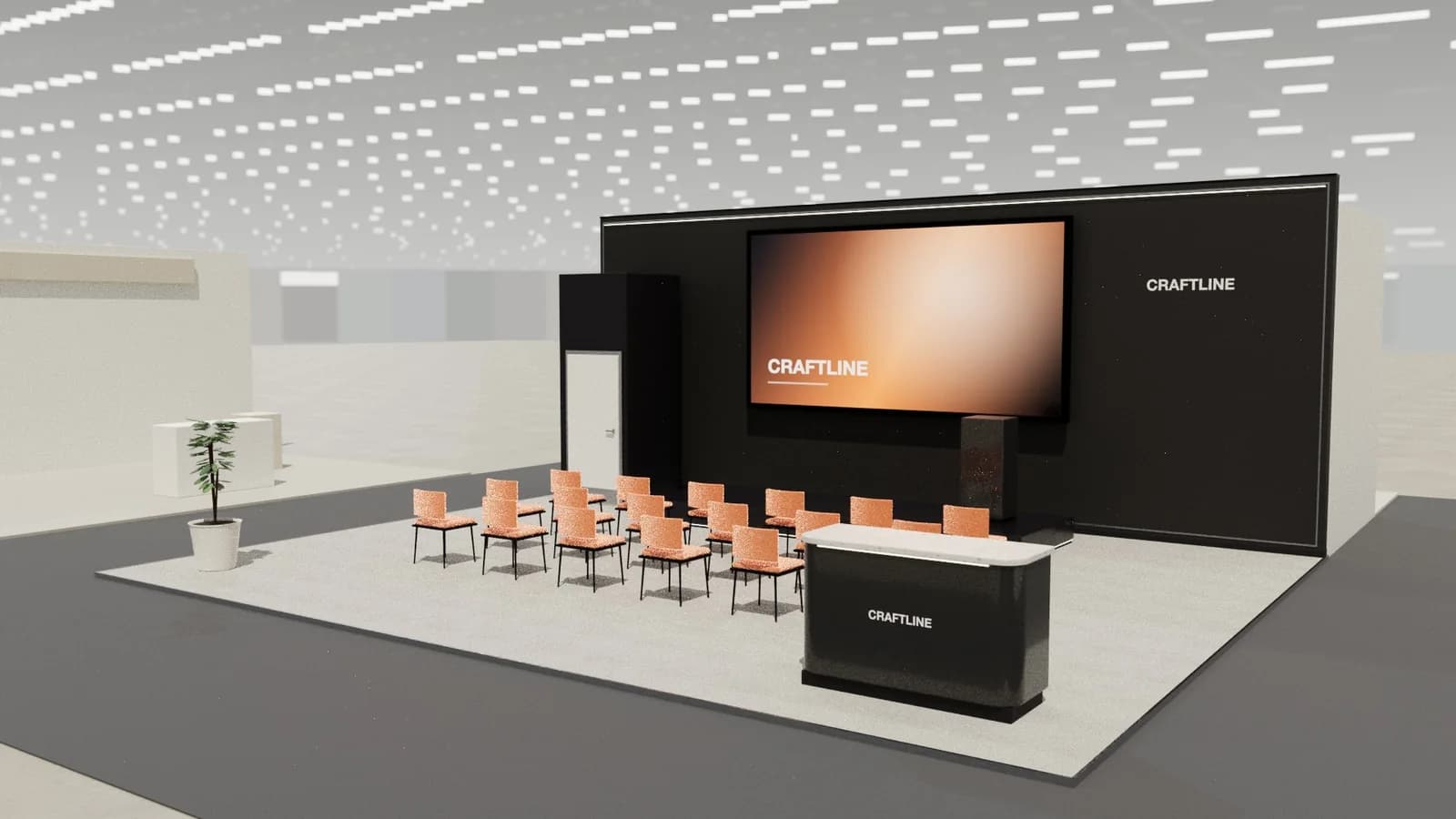
AI tools make the early stage fast: exhibitors can see a stand before briefing anyone, agencies can test more directions, and builders can answer more tenders. They do not replace structural engineering, venue approvals or the craft of finishing. Our AI stand design guide and AI vs freelancer comparison go further.
How to decide
- 1How important is this show? A flagship justifies more design input.
- 2How often do you exhibit? Repeat shows favour a system and in-house control.
- 3Who has the time? In-house work takes marketing hours.
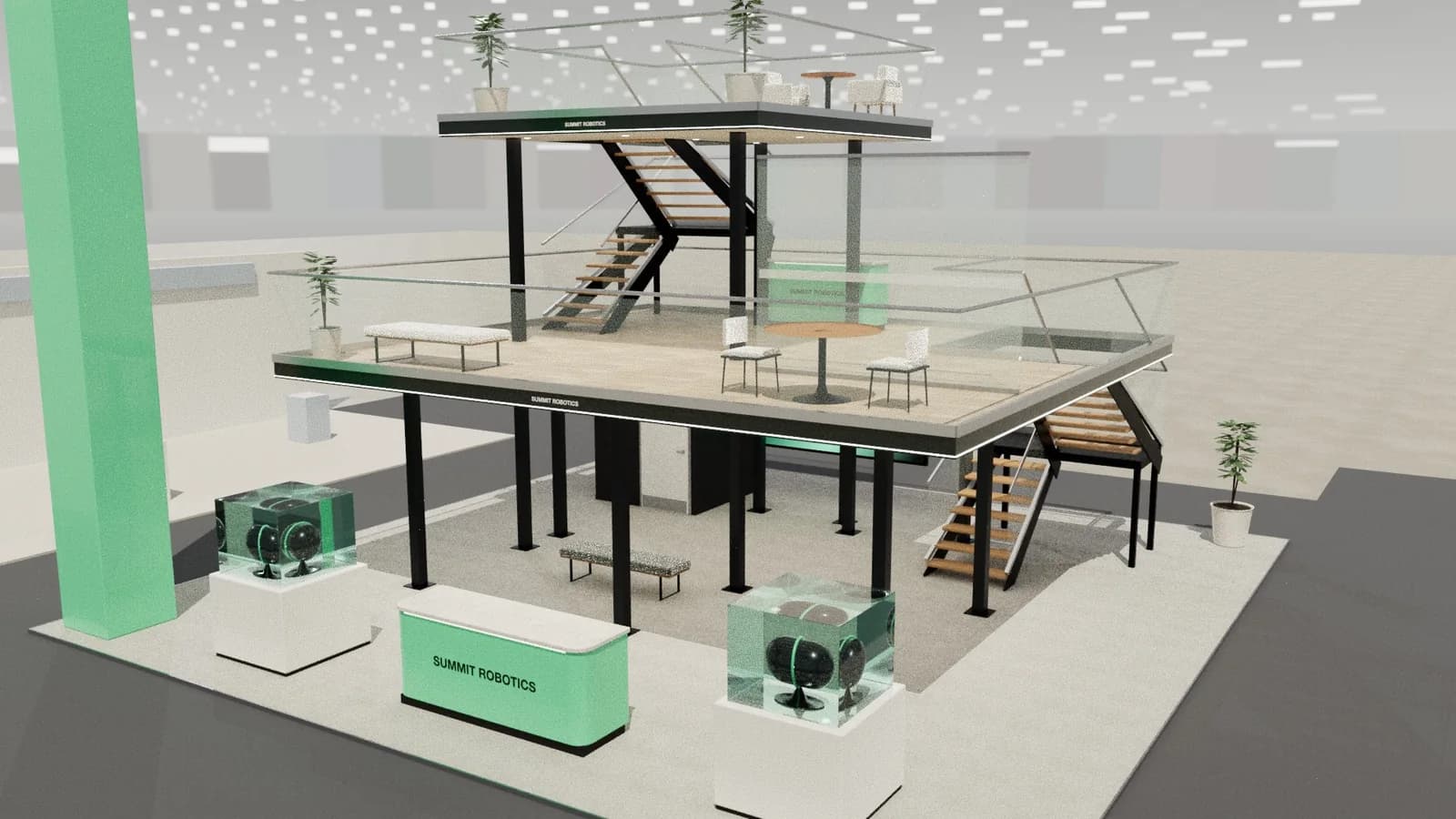
- 4How complex is the stand? Double-decks and rigging call for a specialist.
- 5Do you need competing quotes? Separate design from build if so.
How the money differs
A turnkey builder may bundle design into the build price, which feels free but is not. An agency charges a visible fee, and that makes the design portable: you can take it to several builders and compare prices. In-house work has no invoice, but it has a cost in staff time and in mistakes that a specialist would have caught. Compare the three on total cost and on how much control you keep, not on the design line alone.
Frequently asked questions
01What is a turnkey exhibition stand?
A stand delivered by one company, from design to installation and dismantling, so that you deal with a single contractor.
02Is an exhibition design agency worth it?
For flagship brand work, often yes. For a simple repeat stand, a good builder may be enough.
03Can I design my own exhibition stand?
You can create the concept, and tools help. A builder must check how to make it and handle approval.
04Who owns the stand design?
Whatever your contract says, so agree it upfront, particularly if you plan to use another builder later.
Put it into practice
An AI booth designer that designs in 3D, not in pixels
An AI booth designer that plans an exhibition stand in 3D at your size, checks it can be built, and changes it when you ask in plain English.
Guidance here reflects common practice. Venues, organisers and countries set their own rules: always check the exhibitor manual and work with a qualified stand builder and engineer for structures.