In short
Follow up within a few days, while people remember you. Sort leads by rating, send a personal note to the hot ones, and pass each to a named owner. Refer to the conversation, deliver what you promised, and suggest one next step. Warm leads get a useful, slower sequence. The biggest waste in exhibiting isn't a poor stand: it is good leads sitting in a spreadsheet for weeks.
Key points
- Agree the follow-up plan before the show.
- Reply fast, and mention the conversation.
- Give each hot lead an owner.
- Track it to the end of the sales cycle.
Sort before you send
| Lead | Action | When |
|---|---|---|
| Hot | Personal message and a booked next step | Within days |
| Warm | Helpful content and a later call | Within a week or two |
| Cold | Light-touch contact, if you have the right to contact them | Later |
| Customer | Account manager follows up | Within days |
What a good message does
- 1Mentions something specific from the conversation.
- 2Delivers what you promised, such as a quote or data sheet.
- 3Suggests one clear next step.
- 4Comes from a person, not 'the team'.
- 5Stays short.
A mass 'thanks for visiting' email tells people they were a scan, not a conversation.
Handing over to sales
- Assign each lead to a named person.
- Agree a deadline, and report on it.
- Record outcomes in the CRM against the show.
- Review open leads at 30 and 90 days.
Then roll results into your ROI report.
Review the show
Hold a short review within two weeks. What worked? What did visitors ask about? Which staff got the best results? Save the answers with your actual costs, and use them in next year's brief. Rebook early if you are returning.
Agree the plan before the show
Decide on ratings, owners and deadlines before anyone travels. Write the follow-up templates in advance, with a blank line for the personal detail. Ask staff to log notes during each shift. Book time in sales calendars for the first week back, because people return to full inboxes and exhibition leads are easily pushed aside by urgent work.
If you promised a quote, send that first. If nothing was promised, offer one useful thing, such as a relevant case study. Keep a record of who replied, so that the second message is different from the first.
Follow-up mistakes
Sending everyone the same email is the most common error, closely followed by waiting until the week after next. Another is handing a spreadsheet to sales with no ratings or notes. A short call on the first day back, in which staff walk through their hot leads, passes on what the data can't.
Frequently asked questions
01How soon should I follow up after a trade show?
Within a few days for hot leads. Don't wait until everyone is back from holiday.
02What should a follow-up email say?
Reference the conversation, deliver what was promised and suggest one next step.
03How many follow-ups should I send?
A few useful ones, spaced out. Stop if there's no interest.
04Who should send the follow-up?
The person who had the conversation, or the named owner.
Put it into practice
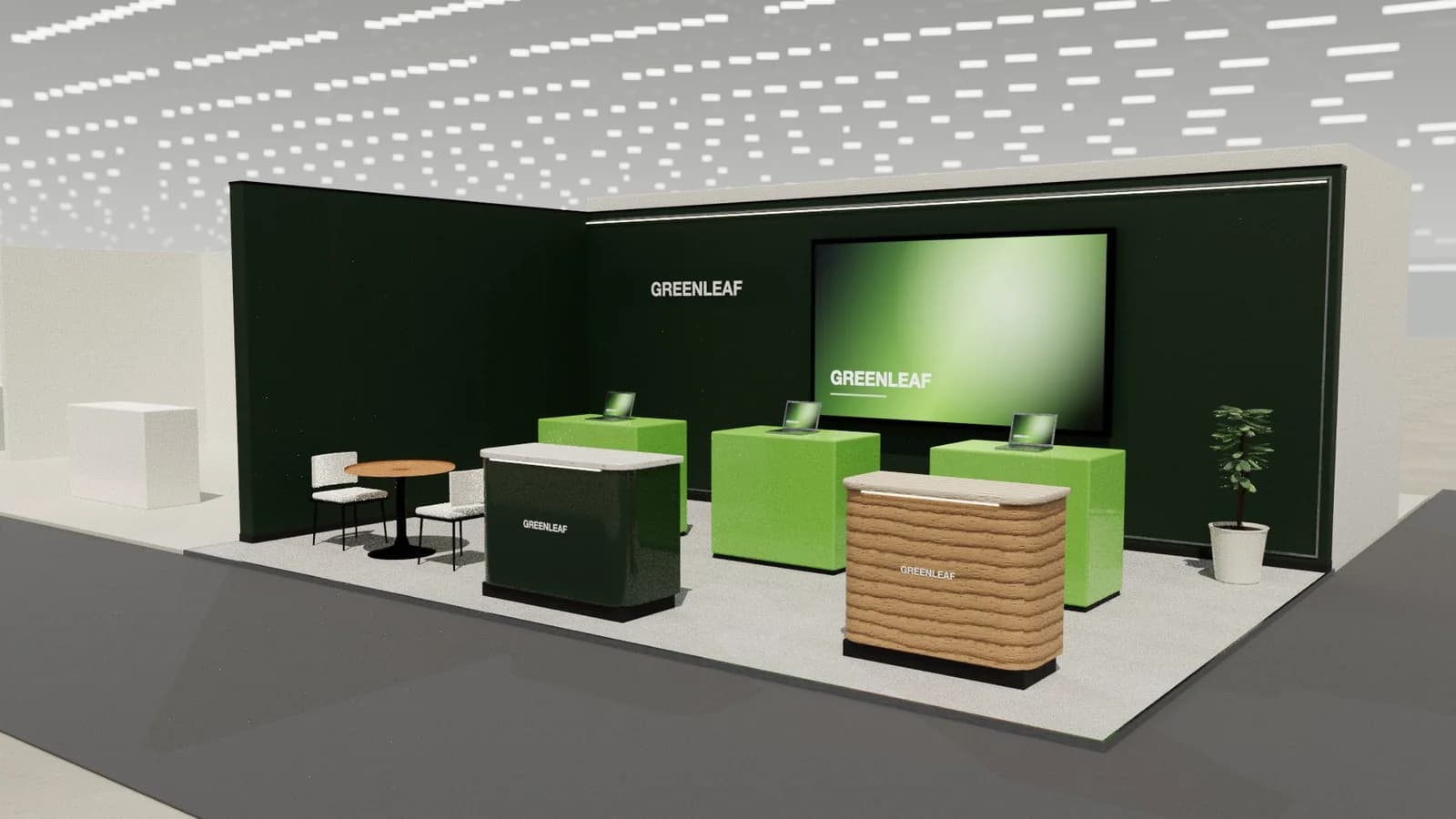
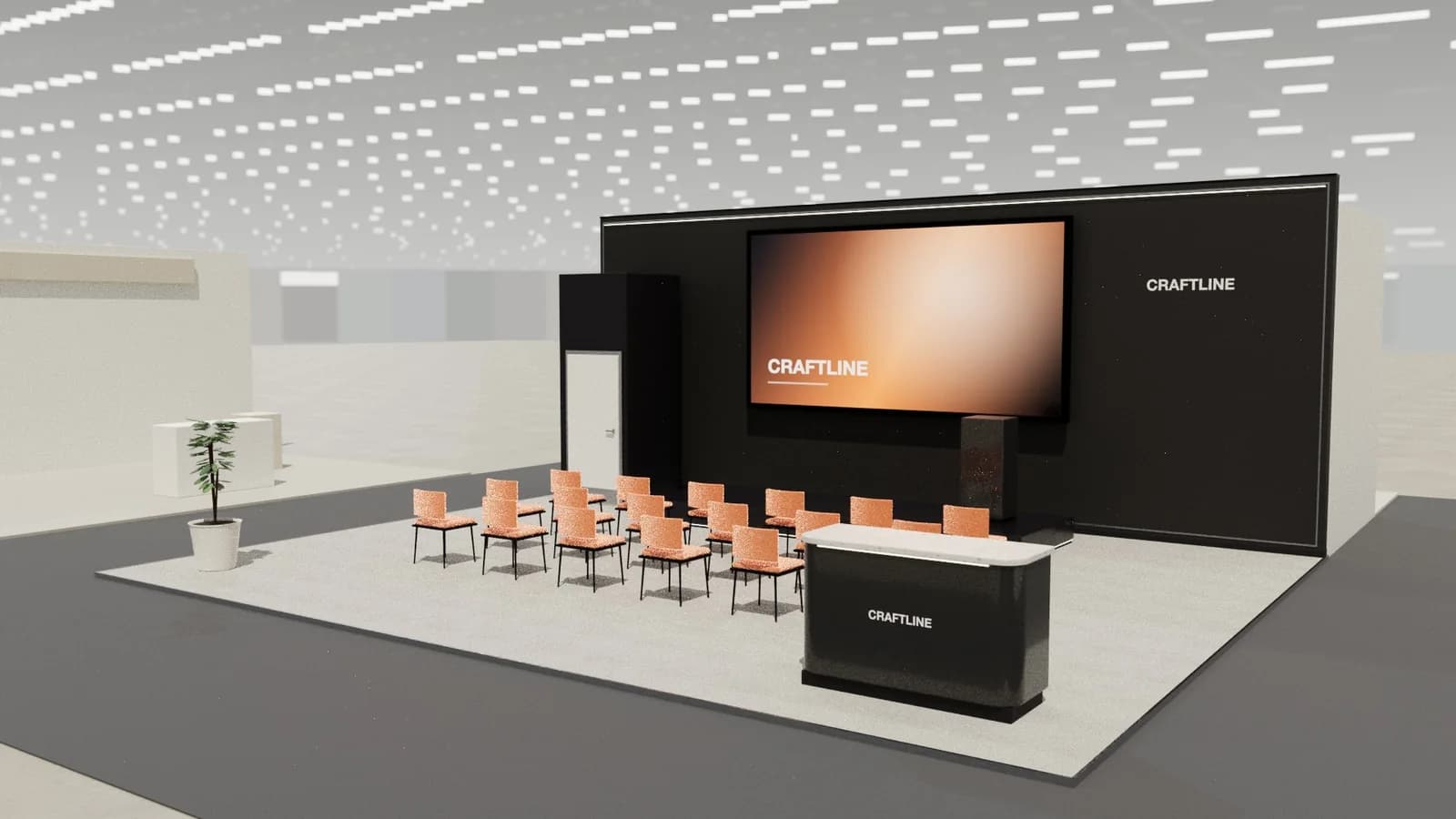
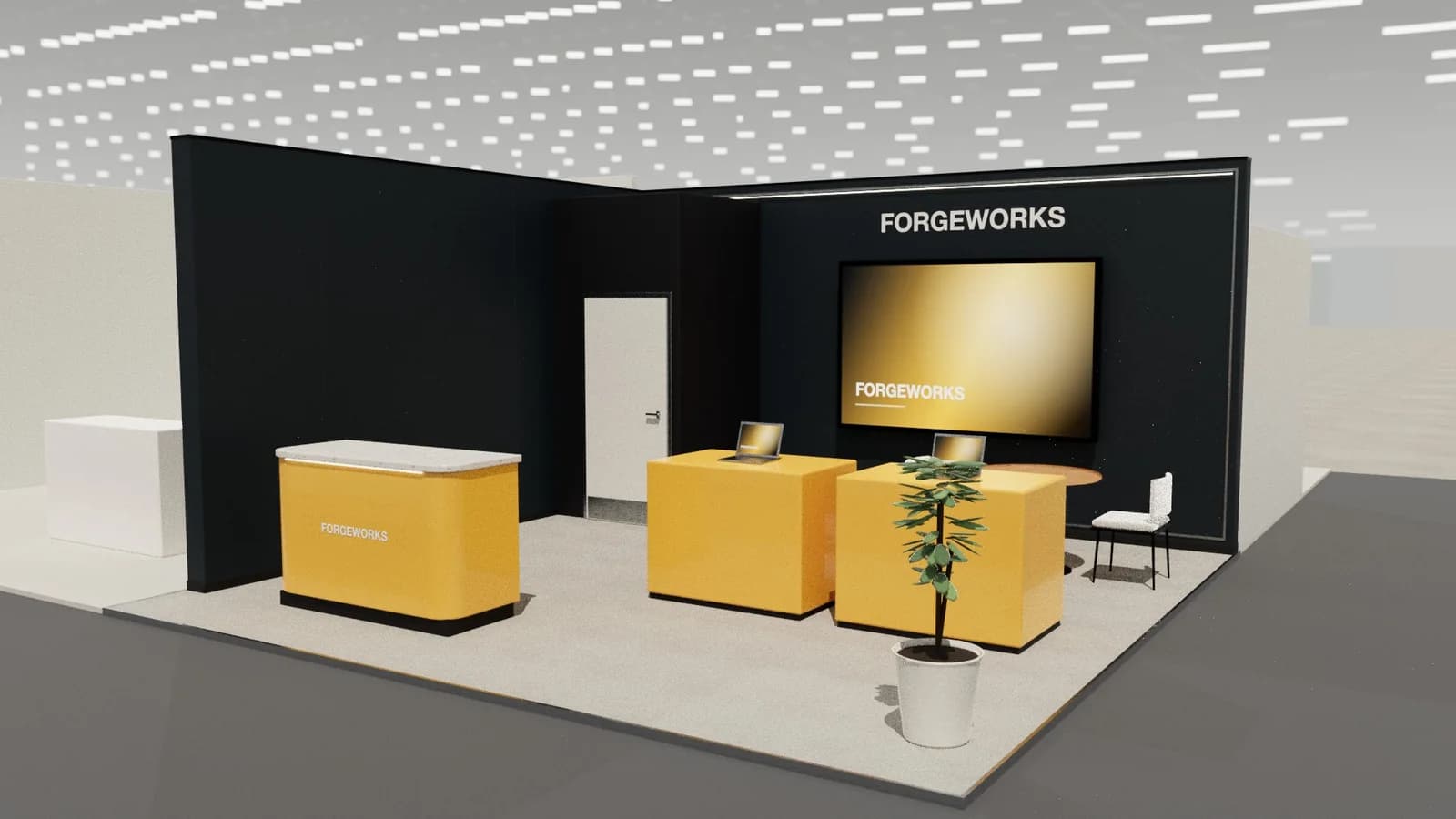
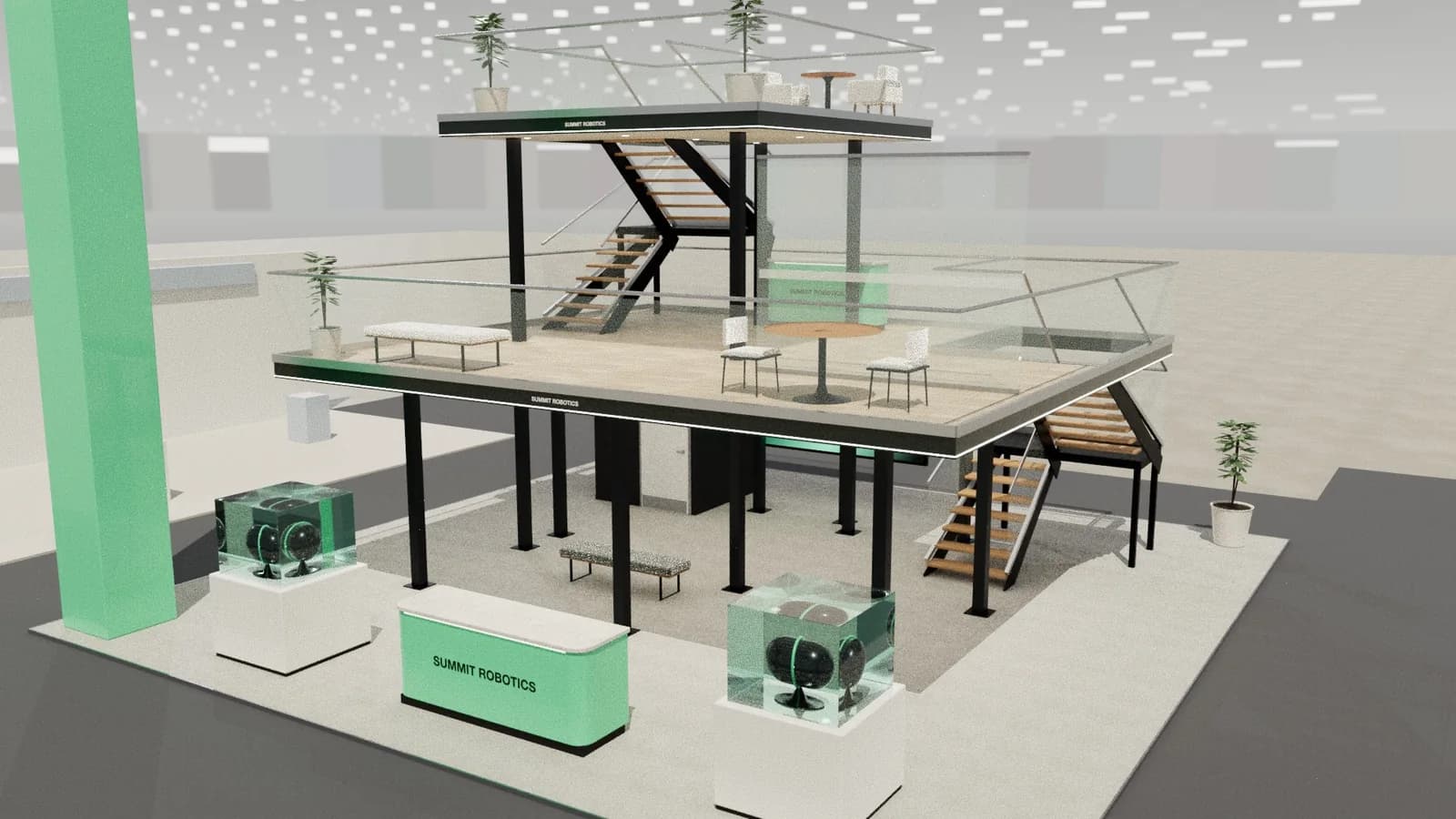
From a client brief to a 3D stand concept in minutes
An editable 3D exhibition stand concept from a written brief and the brand's website, at your exact size.
Guidance here reflects common practice. Venues, organisers and countries set their own rules: always check the exhibitor manual and work with a qualified stand builder and engineer for structures.