In short
Choose a trade show by who attends, not by its size. Ask your best customers which shows they go to, get the organiser's audience data, walk the show as a visitor before you commit, and estimate the cost per useful conversation. A smaller specialist show full of your buyers often beats a huge general fair. Review every show each year, and be willing to drop one that no longer works.
Key points
- Ask customers where they go.
- Visit before you exhibit, if you can.
- Compare the cost per useful conversation, not the headline audience.
- Competitors' presence is a signal, not a reason.
Questions for each show
| Question | Why it matters |
|---|---|
| Do our buyers attend? | The only number that really counts |
| What job titles and regions? | Audit data beats marketing claims |
| Is it growing or shrinking? | Compare recent editions |
| Who else exhibits? | Competitors show where the market gathers |
| What will it really cost? | Use the cost calculator |
| Can we get a good position? | A poor plot can undo a good show |
Walk it first
If you can, attend as a visitor a year before exhibiting. Count the people in the aisles of your sector, look at which halls are busy, and ask exhibitors whether the show works for them. Most will tell you honestly, especially on the last afternoon.
- Look at the quality of badges, not just numbers.
- Note which halls empty out early.
- Ask how many of their leads became customers.
A simple score
- 1Estimate the number of useful conversations you could hold.
- 2Estimate the whole-show cost.
- 3Divide cost by conversations.
- 4Compare it with your other sales channels.
The ROI calculator takes this further, with deals and margins. Treat the result as a way to compare shows, not as a forecast.
When to drop a show
Long-standing shows can continue out of habit. If a show has produced little for two editions, try a smaller presence before leaving altogether, or attend as a visitor. Keep an eye on your position too, because seniority can decide where you're placed, and leaving may cost you a plot you have held for years.

National or regional show?
A national show brings reach, while a regional or specialist event brings fewer but closer buyers. If you sell locally, a smaller event near your customers may produce more meetings for the money. If you need distributors in new markets, an international fair may be the only place to find them all at once. Try one of each before you commit a whole year's budget.
Frequently asked questions
01How do I find the right trade shows?
Ask customers, check trade associations, and look at where competitors exhibit.
02Are bigger shows better?
Not always. A focused show can bring more of your buyers at a lower cost.
03How many shows should I do a year?
As many as you can do properly. One well-run show beats four rushed ones.
04What attendance data should I ask for?
Audited figures by job title, sector and region, if the organiser has them.
Put it into practice
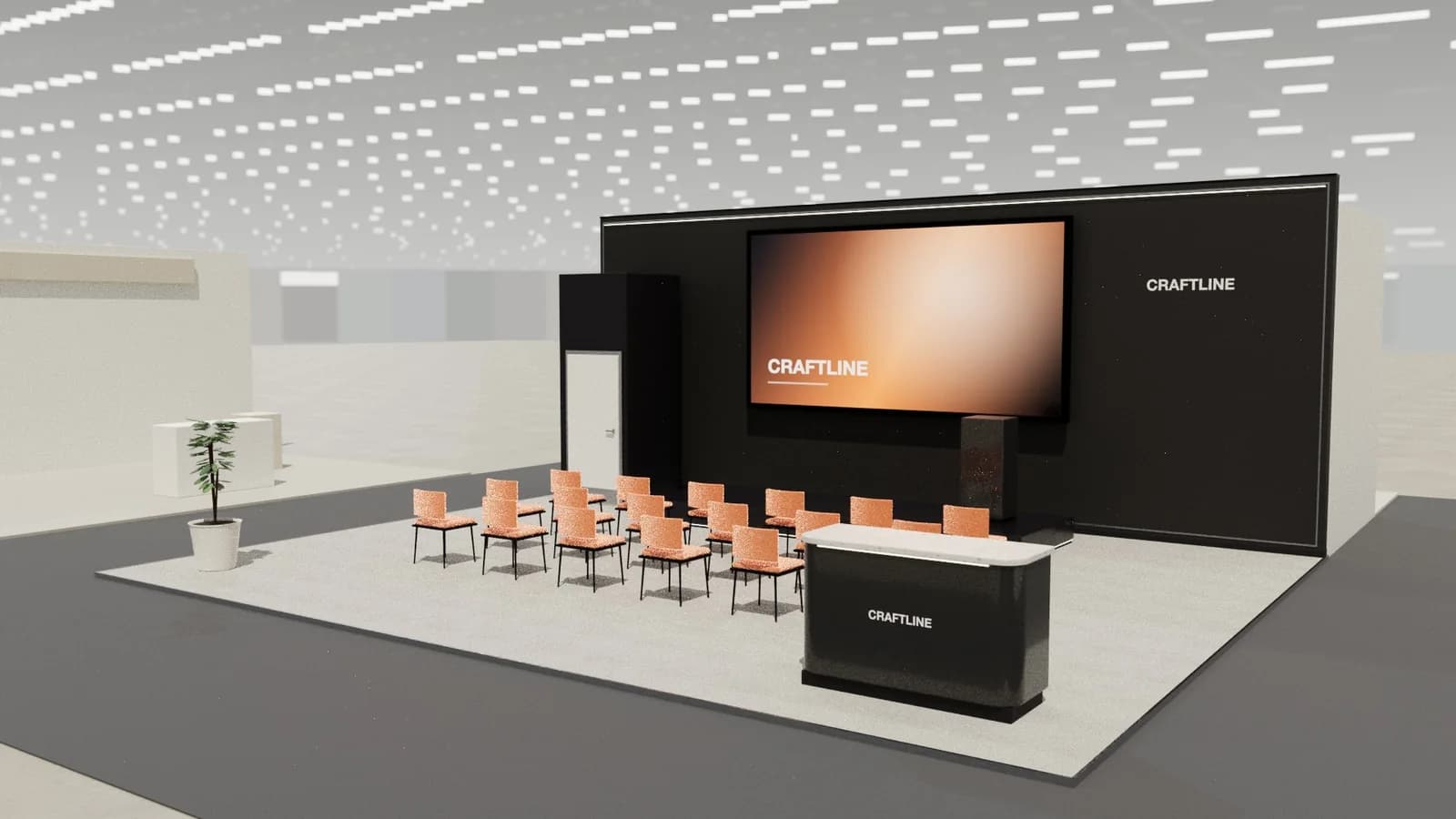
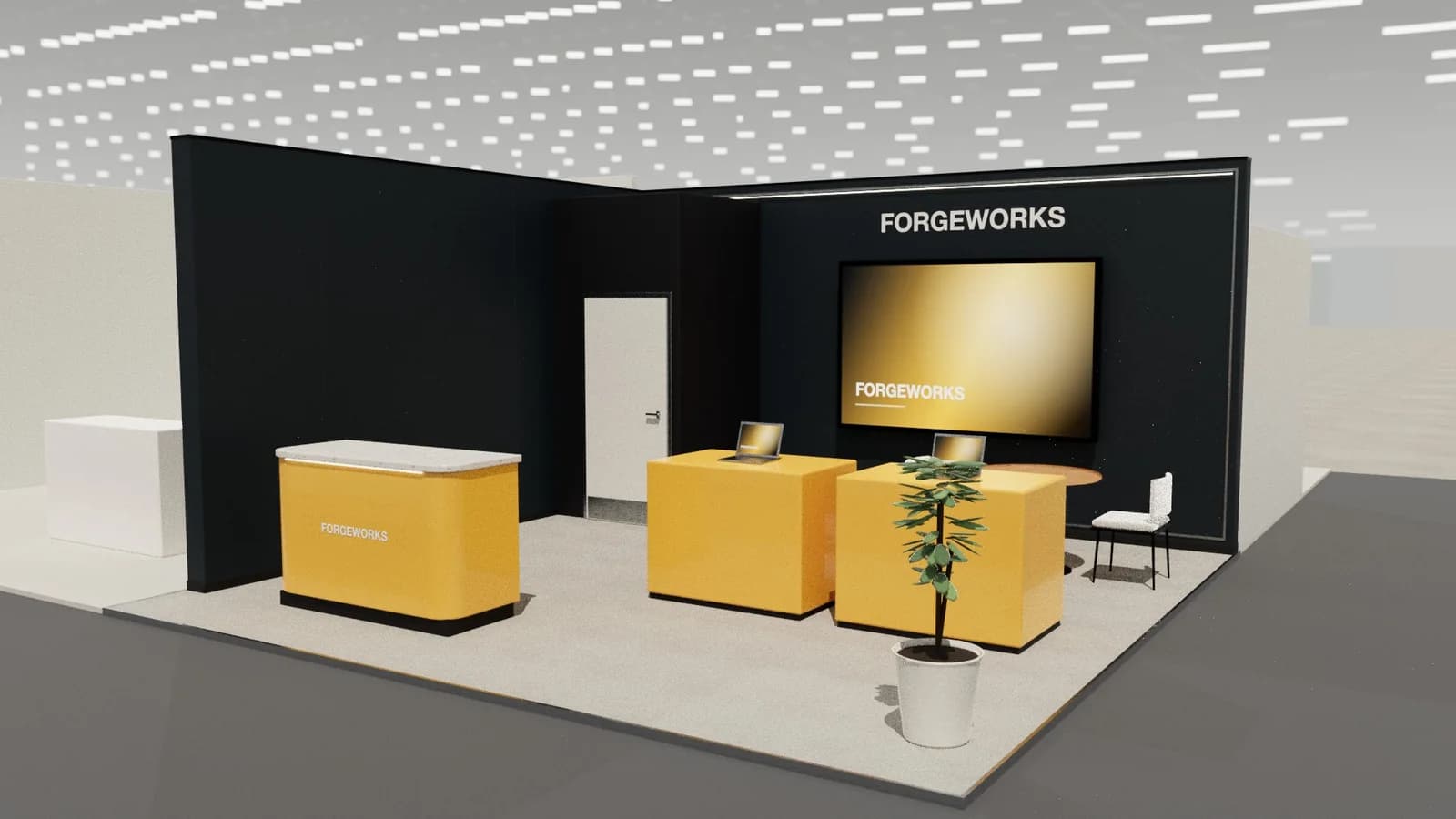
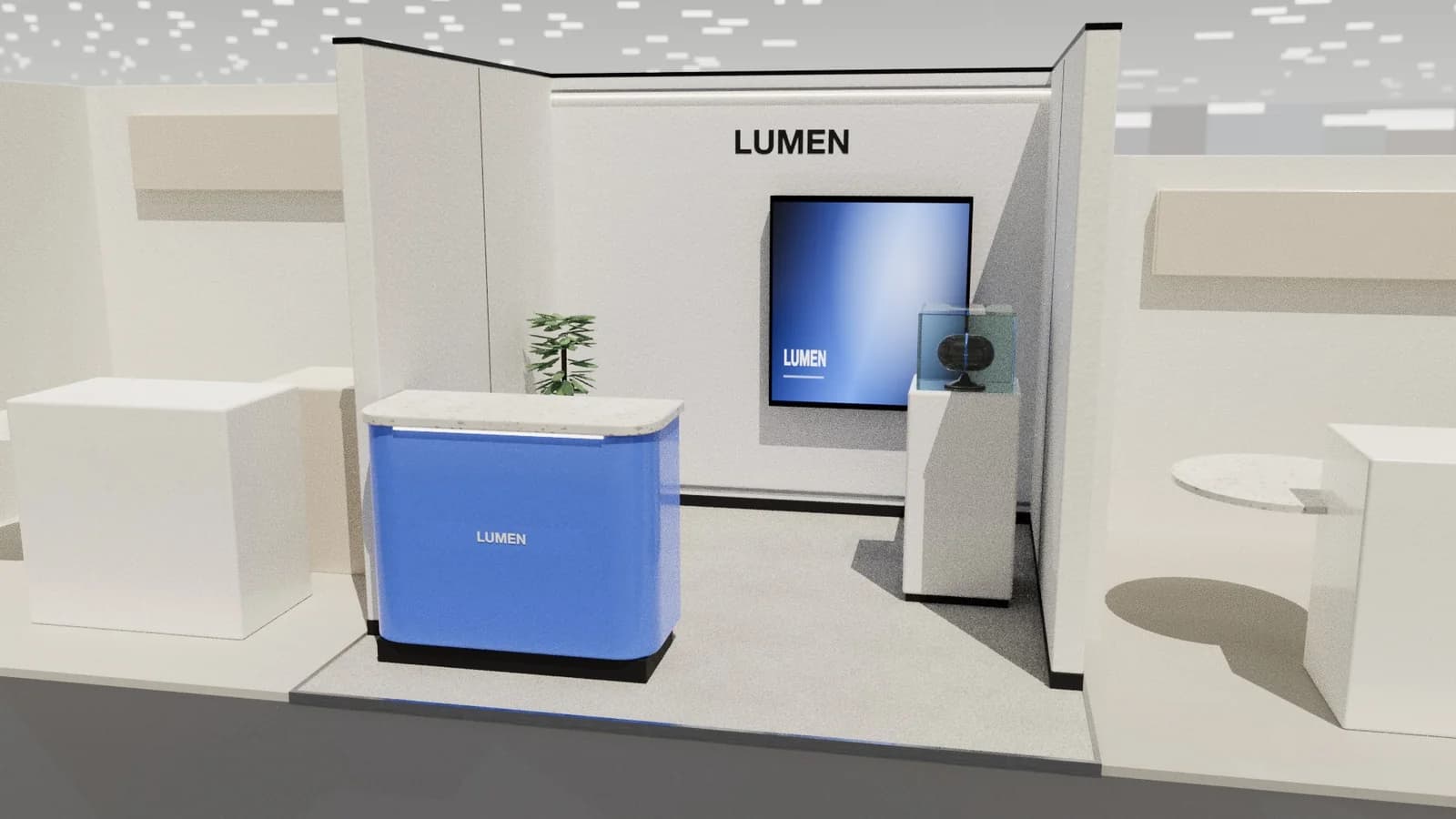
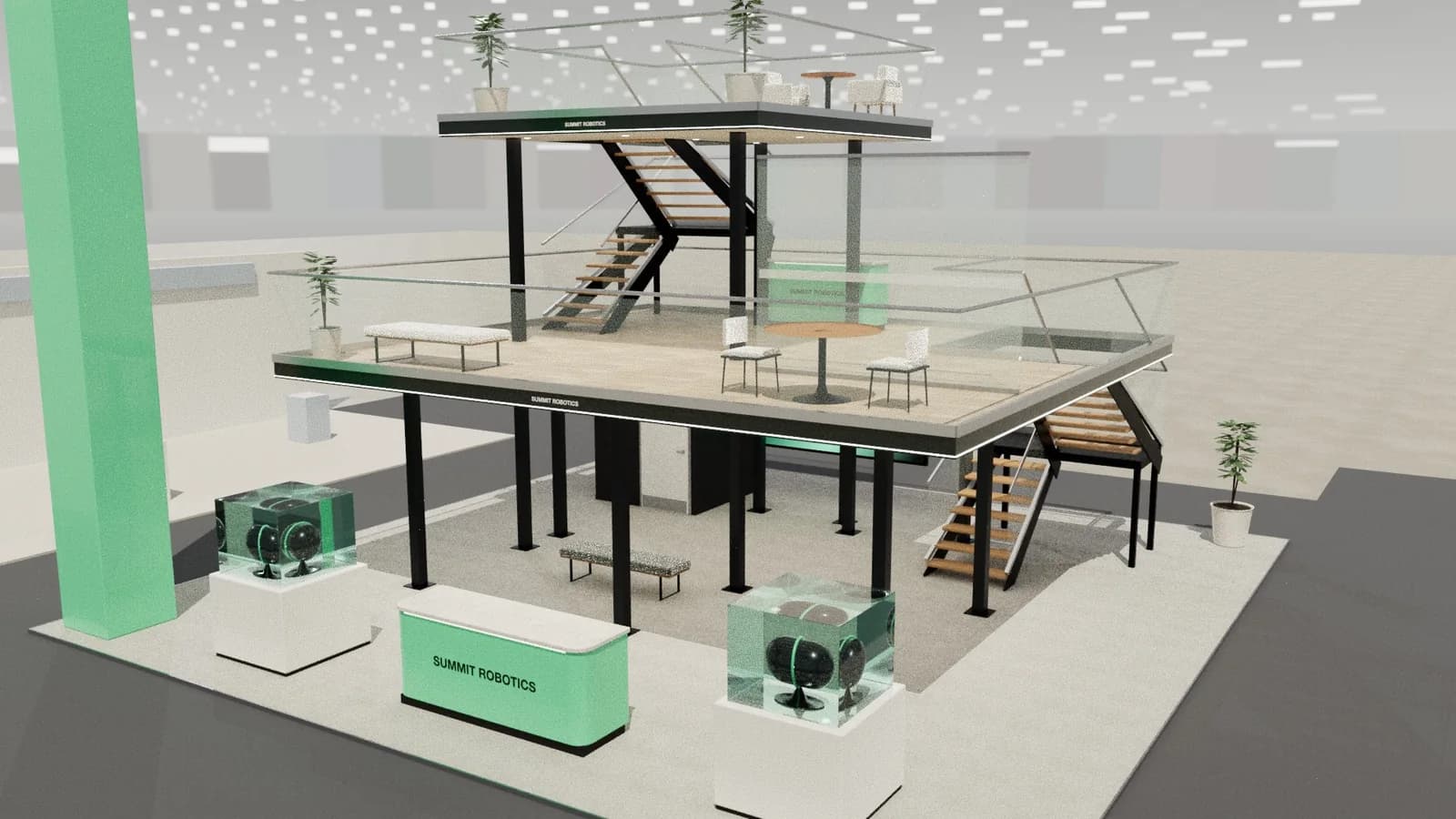
Design your trade show booth in 3D before you brief the builder
Design a trade show booth in 3D at your exact booth size, from a 10x10 inline to a 20x20 island, with renders and drawings for your builder.
Guidance here reflects common practice. Venues, organisers and countries set their own rules: always check the exhibitor manual and work with a qualified stand builder and engineer for structures.