In short
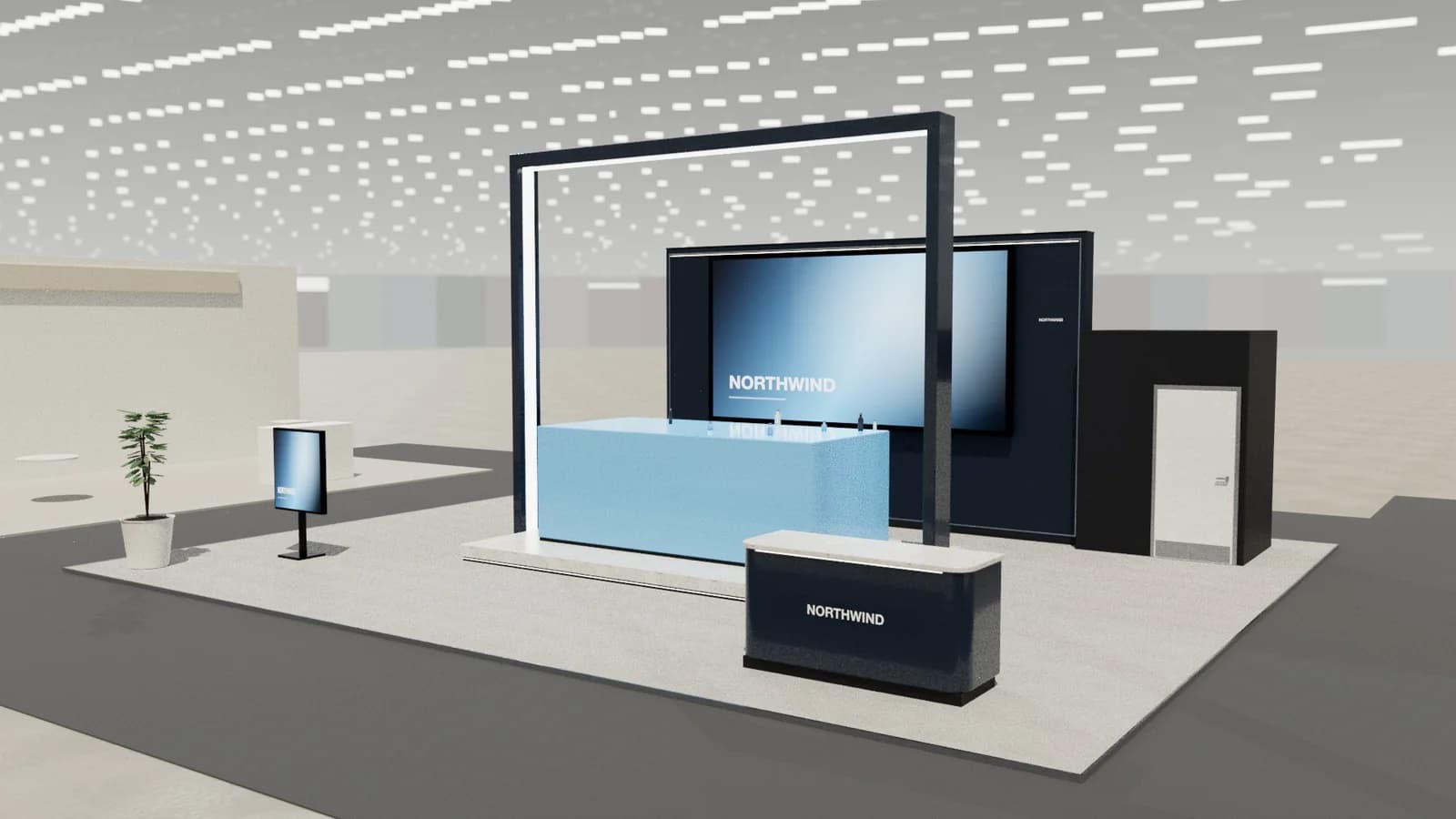
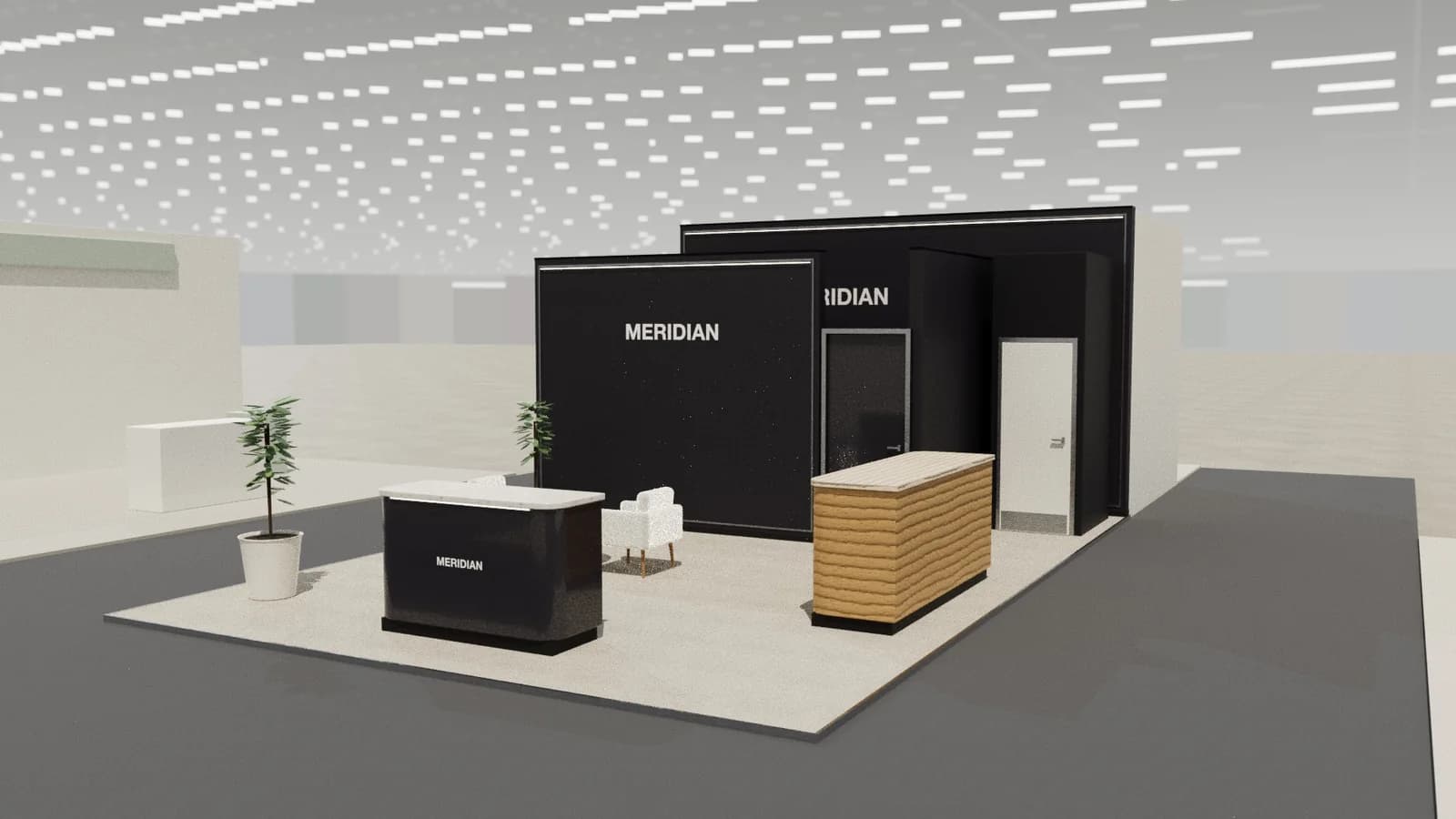
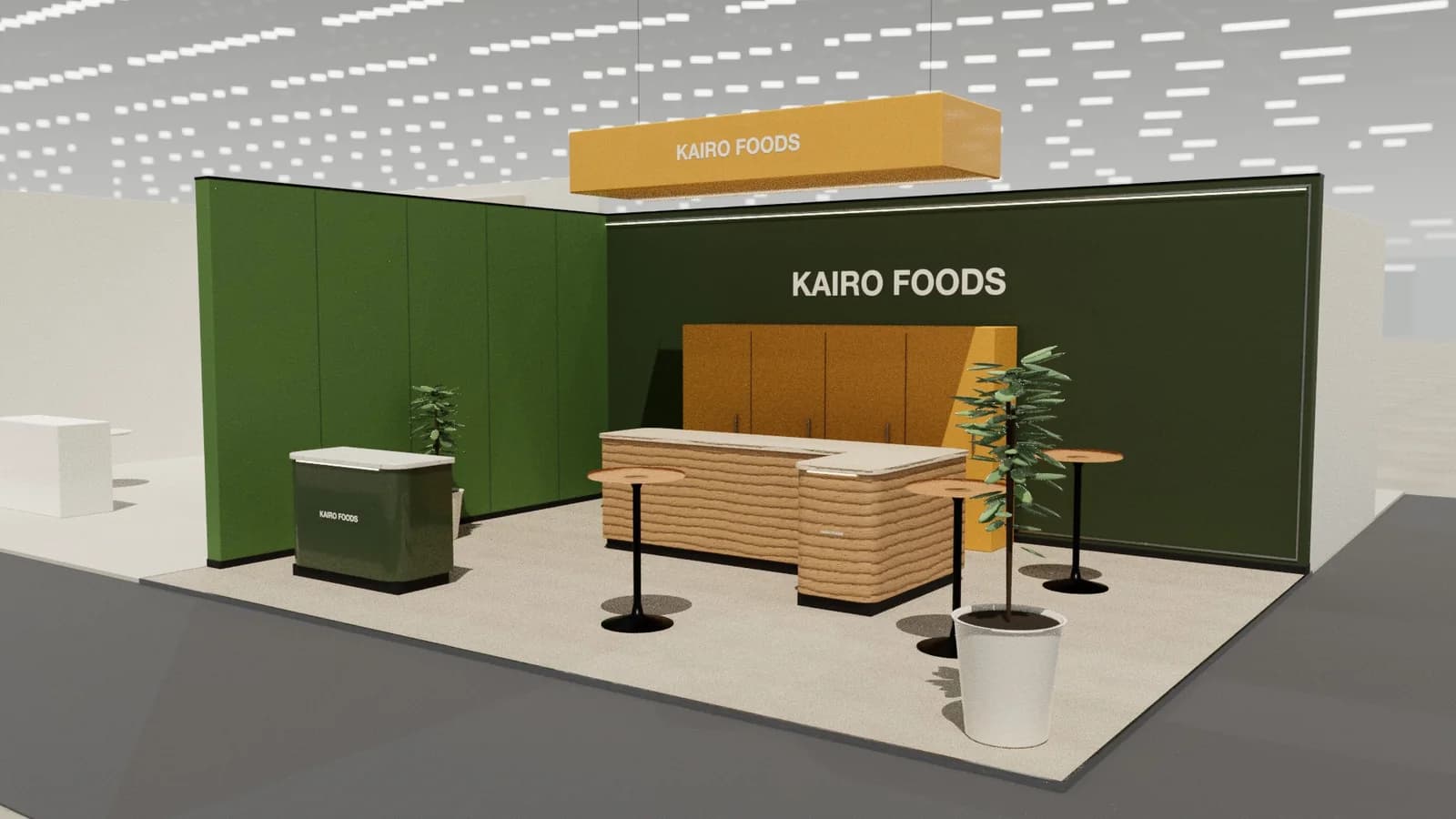
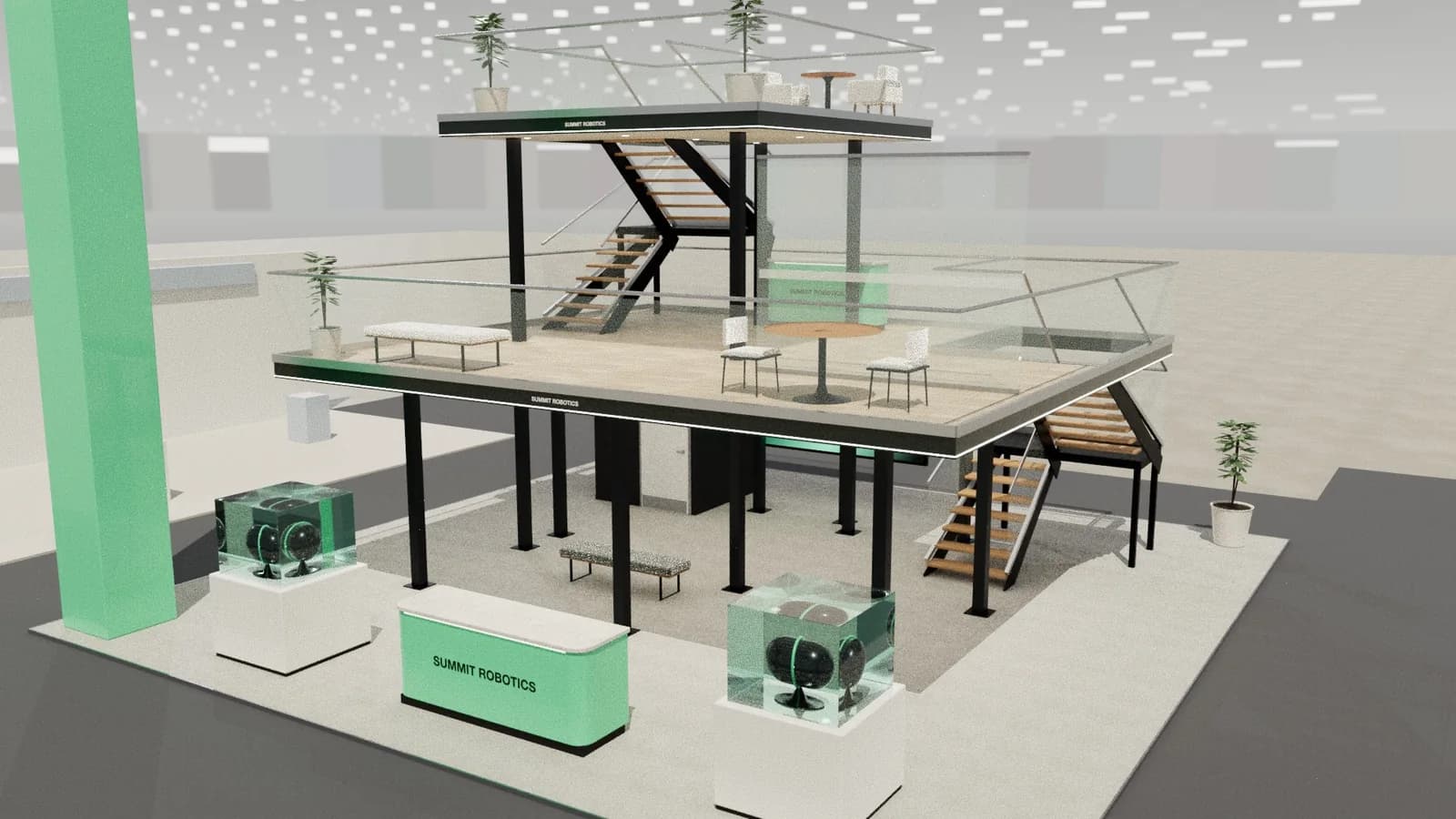
Packaging booths sell through the product in the hand: finished packs displayed like retail, machines running real product where possible, materials samples and sustainability data, and tables where brand owners and engineers can talk about lines and specifications.
Key points
- Pack display, Machine demo, Material library, Project tables are the core zones.
- Avoid: machines running empty.
- Avoid: packs too small and far from the aisle.
- Avoid: sustainability claims without data.
- See the template and trade show guides linked below for packaging and processing companies.
Who visits and what they want
Brand owners, packaging engineers, procurement and plant managers.
What to show
Finished packs, material samples, working machines, line layouts and sustainability comparisons.
Zones for a packaging stand
| Zone | Purpose | Where it goes |
|---|---|---|
| Pack display | Finished packs and formats | Front, at eye level |
| Machine demo | Line running real product | Centre with safety zone |
| Material library | Samples to handle | Side wall |
| Project tables | Line and spec discussions | Rear |
On a 3 × 3 m stand, keep the first two zones and book meetings elsewhere. From about 36 m² every zone fits; see stand sizes for what fits at each size.
Materials, lighting and graphics
Let packs be the colour; keep the structure neutral. Good, even lighting for print quality.
For detail on light levels and colour rendering, see stand lighting; for wall graphics, see graphics and branding.
Starting conversations and capturing leads
Ask what the visitor packs and how many units a minute, then show the closest match. Hand them a finished pack: physical samples start better conversations than screens.
Rules and practicalities
Machines need guarding, power and air; food-contact demos may need hygiene measures.
Venue rules on height, open sides, fire safety and services still apply; see venue approval.
Common mistakes
- Machines running empty.
- Packs too small and far from the aisle.
- Sustainability claims without data.
Trade shows for packaging and processing companies
Show-specific guides: PACK EXPO, interpack, Gulfood. For more, see stand design by trade show.
Frequently asked questions
01How should packs be displayed?
At eye level, grouped by format or market, lit evenly and close to the aisle so visitors can pick them up.
02How do I show sustainability?
With data: material weight saved, recyclability and carbon figures, beside physical samples.
03What size stand does a packaging exhibitor need?
Size to the activities: about 9 m² for one conversation point, 18–36 m² to add demos and a meeting table, and 50 m² or more for meeting rooms and hospitality. See [stand sizes](/guides/topics/exhibition-stand-sizes).
04Can AI design a packaging booth?
AI can produce a complete concept quickly: [Studio](/ai-booth-designer) lays out the zones above at real scale and renders the result. A stand builder still checks structure, services and compliance before building.
Put it into practice
Design your trade show booth in 3D before you brief the builder
Design a trade show booth in 3D at your exact booth size, from a 10x10 inline to a 20x20 island, with renders and drawings for your builder.
Guidance here reflects common practice. Venues, organisers and countries set their own rules: always check the exhibitor manual and work with a qualified stand builder and engineer for structures.