In short
Because interpack happens only every three years, exhibitors use it for major launches, so stands centre on working lines and new machines, with generous meeting space for international buyers who come with projects ready to discuss. Start a custom stand about 12–18 months ahead and confirm dates, height limits and rules in the exhibitor manual.
Key points
- Where and when: Düsseldorf, every three years, in spring.
- The audience is mostly international packaging and production decision-makers.
- Working lines and new machines as the centrepiece.
- Meeting rooms for project discussions, often on an upper deck.
- Plan a custom stand about 12–18 months before the show.
interpack for exhibitors
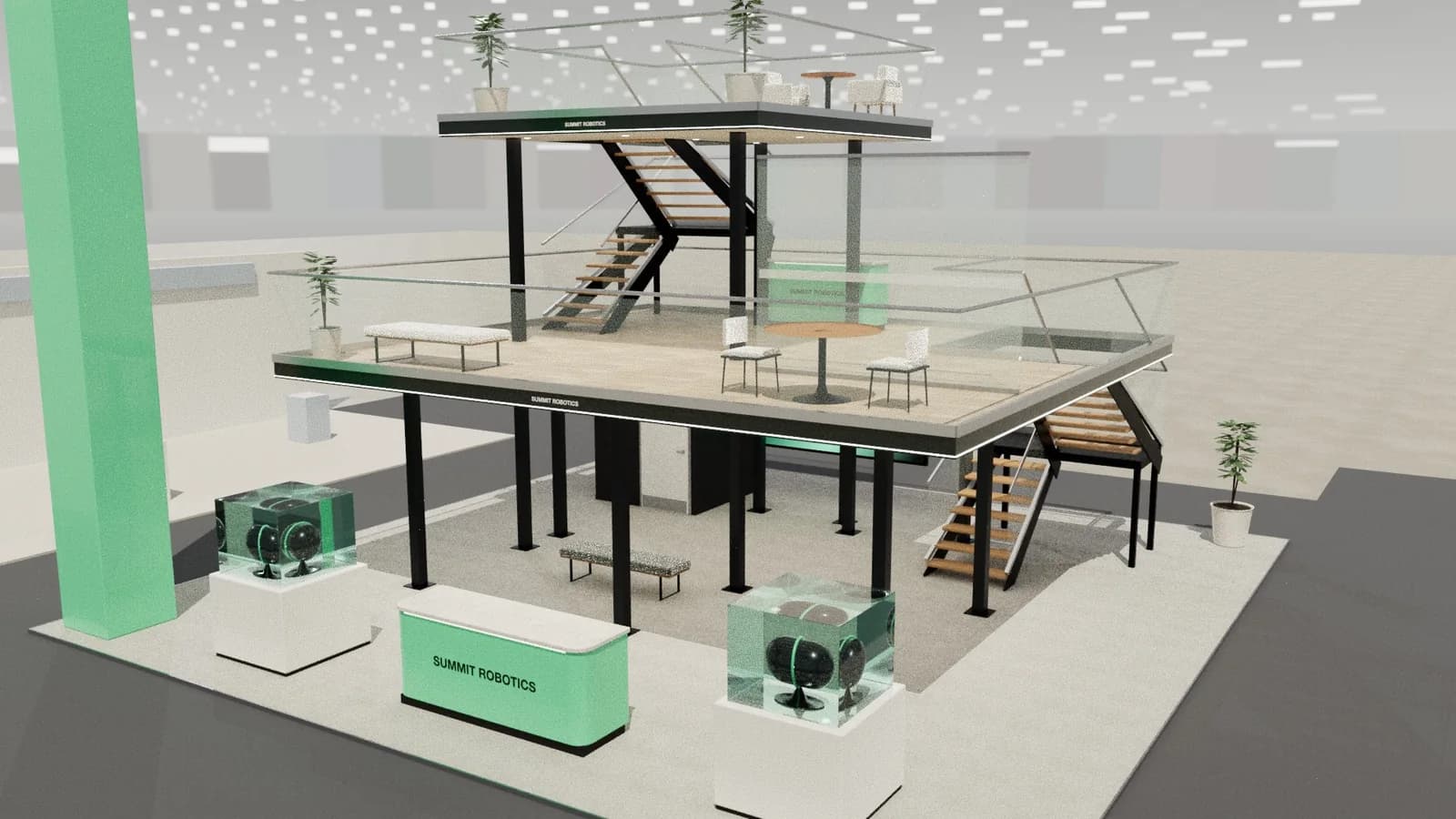
interpack covers packaging and related processing for food, beverages, pharma, cosmetics and industrial goods. Many exhibitors bring complete lines; stands are large and often double-deck for meetings.
| interpack | |
|---|---|
| City | Düsseldorf |
| Venue | Messe Düsseldorf |
| Sector | Packaging and processing |
| Cycle | Every three years, in spring |
| Main stand activity | Working machinery |
| Custom stand lead time | 12–18 months |
Who you are designing for
International packaging and production decision-makers, engineers and buyers with investment projects.
What matters most on a interpack stand:
- Working lines and new machines as the centrepiece.
- Meeting rooms for project discussions, often on an upper deck.
- Hospitality for international visitors spending hours on the stand.
- Sustainability stories shown with real materials and packs.
Layouts for working machinery, by stand type
Most interpack exhibitors build around working machinery. How that works depends on how many sides of your plot are open. If you are unsure which type you have, see exhibition stand types.
| Stand type | Open sides | What works |
|---|---|---|
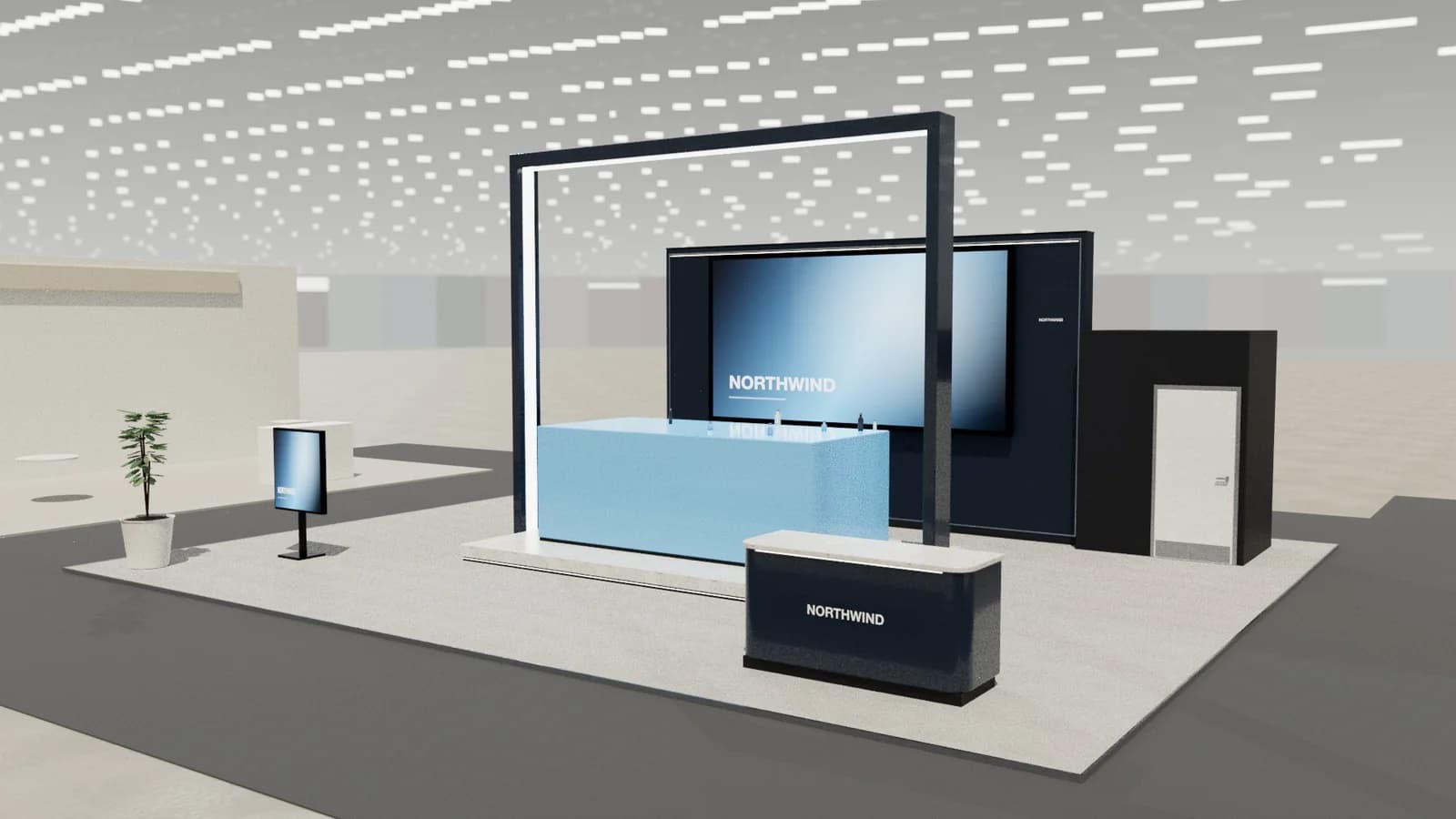
| Row (inline) | 1 | One machine side-on to the aisle so its working side is visible, with a screen showing it in use. |
| Corner | 2 | The machine on a plinth at the corner, visible from both aisles, with a technical desk behind it. |
| Peninsula | 3 | The largest machine centred, smaller exhibits on the sides and an engineers' meeting table at the back. |
| Island | 4 | A hero machine centred with at least 1.5 m of walk-around space, demo times on a screen and meetings to one side or upstairs. |
Stand ideas for interpack
- A complete working line as the centrepiece.
- A meeting deck for project discussions with international buyers.
- A sustainability wall comparing old and new packs by weight and material.
Planning, approvals and logistics
Large machinery and double-deck structures require long lead times for approval and rigging. Book build-up slots and hotels very early.
Allow about 12–18 months for a custom stand. The exhibitor manual sets height limits, open-side rules and service deadlines; see venue approval and technical drawings.
Mistakes we see at interpack
- Underestimating meeting demand from visitors who only see you every three years.
- Launching too many machines with no hierarchy.
Try your interpack layout in 3D
ExhibitionBase Studio turns your plot size, open sides and a brief about working machinery into an editable 3D stand for 5 credits, renders it and exports a plan for your builder. New workspaces get 5 free credits.
Frequently asked questions
01How often is interpack held?
Every three years at Messe Düsseldorf. The long gap means exhibitors plan launches around it; confirm the next edition's dates on the official site.
02Do I need a double-deck stand?
Only if you need more meeting space than your floor allows. See our guide to [double-deck stands](/guides/double-deck-exhibition-stands) for what is involved.
03How early should I start designing a interpack stand?
For a custom stand, about 12–18 months ahead: long enough for design, organiser approval, production and shipping. Shell scheme stands can be planned in weeks.
04Can I reuse my interpack stand at other shows?
Often, if it is modular. Design the core (walls, counters, working machinery area) to work on several plot sizes, and swap graphics per show. See [modular vs custom stands](/guides/modular-vs-custom-exhibition-stands).
Put it into practice
From a client brief to a 3D stand concept in minutes
An editable 3D exhibition stand concept from a written brief and the brand's website, at your exact size.
Guidance here reflects common practice. Venues, organisers and countries set their own rules: always check the exhibitor manual and work with a qualified stand builder and engineer for structures.