In short
PACK EXPO buyers come to see packaging and processing lines running, so a booth should run real product through the machine, show the line's speed and changeover, display finished packs, and give engineers a table for line-layout conversations. Start a custom booth about 6–9 months ahead and confirm dates, height limits and rules in the exhibitor manual.
Key points
- Where and when: Chicago and Las Vegas, annual, alternating between Chicago and Las Vegas, in autumn.
- The audience is mostly packaging engineers.
- A machine running real product, with output counters visible.
- Finished packs displayed near the machine that made them.
- Plan a custom booth about 6–9 months before the show.
PACK EXPO for exhibitors
PACK EXPO covers packaging machinery, materials, automation and processing for food, pharma, consumer goods and more. Working lines are common, and visitors often bring specific projects and line requirements.
| PACK EXPO | |
|---|---|
| City | Chicago and Las Vegas |
| Venue | McCormick Place (PACK EXPO International) and the Las Vegas Convention Center (PACK EXPO Las Vegas) |
| Sector | Packaging and processing |
| Cycle | Annual, alternating between Chicago and Las Vegas, in autumn |
| Main stand activity | Working machinery |
| Custom stand lead time | 6–9 months |
Who you are designing for
Packaging engineers, operations and plant managers, and brand-owner buyers with active projects.
What matters most on a PACK EXPO booth:
- A machine running real product, with output counters visible.
- Finished packs displayed near the machine that made them.
- Changeover demonstrations at set times.
- Tables with screens for line layout discussions.
Layouts for working machinery, by stand type
Most PACK EXPO exhibitors build around working machinery. How that works depends on how many sides of your plot are open. If you are unsure which type you have, see exhibition stand types.
| Stand type | Open sides | What works |
|---|---|---|
| Row (inline) | 1 | One machine side-on to the aisle so its working side is visible, with a screen showing it in use. |
| Corner | 2 | The machine on a plinth at the corner, visible from both aisles, with a technical desk behind it. |
| Peninsula | 3 | The largest machine centred, smaller exhibits on the sides and an engineers' meeting table at the back. |
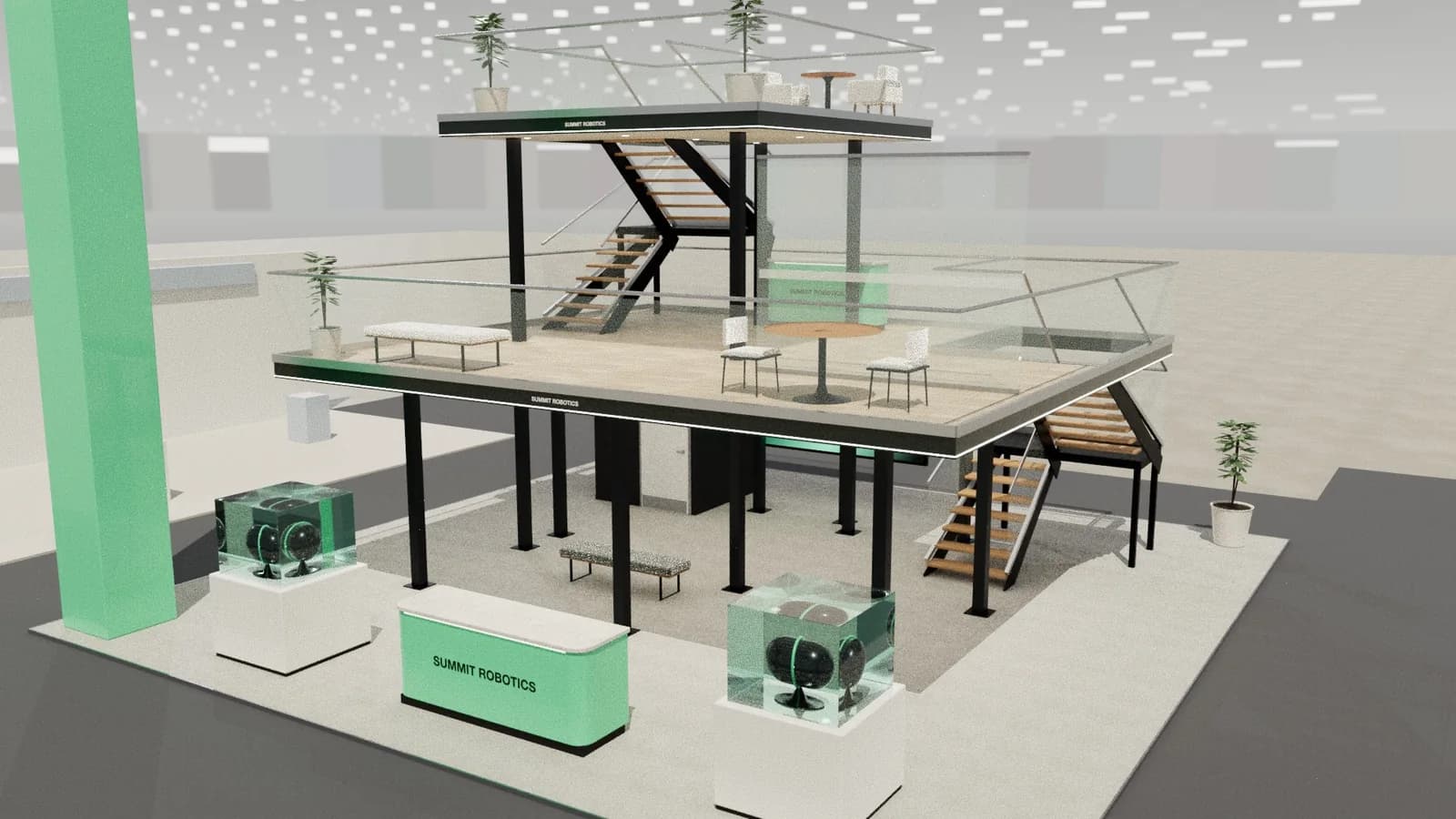
| Island | 4 | A hero machine centred with at least 1.5 m of walk-around space, demo times on a screen and meetings to one side or upstairs. |
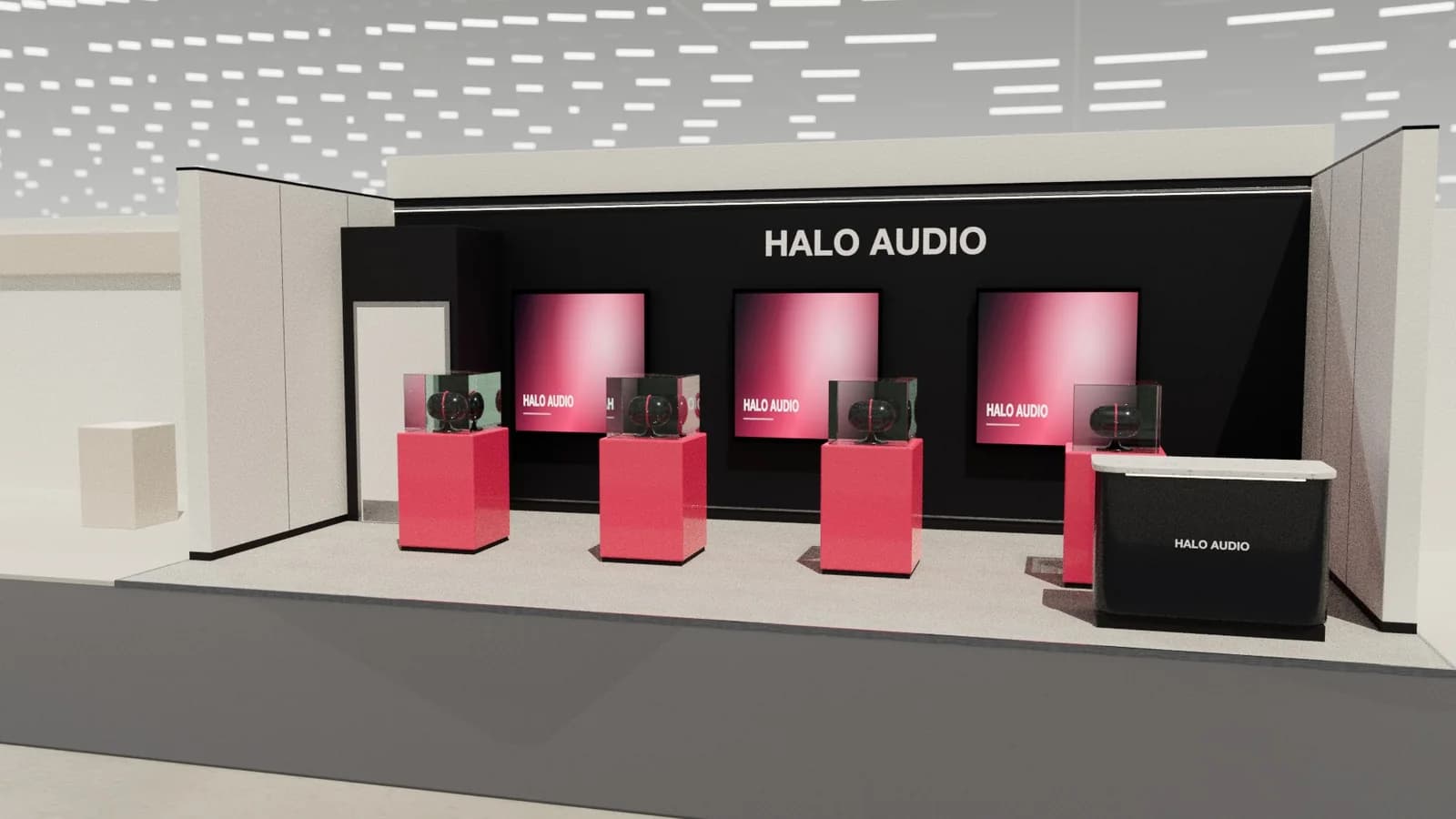
Stand ideas for PACK EXPO
- A line running real product with a live counter of packs per minute.
- Finished packs displayed beside the machine that made them.
- Scheduled changeover demos announced on a screen.
Planning, approvals and logistics
Running lines need power, air and material supply, and waste removal. Rigging and floor loads must be planned with show contractors.
Allow about 6–9 months for a custom booth. The exhibitor manual sets height limits, open-side rules and service deadlines; see venue approval and technical drawings.
Mistakes we see at PACK EXPO
- Machines running empty, which hides what they actually do.
- Nowhere to sit with an engineer and sketch a line layout.
Try your PACK EXPO layout in 3D
ExhibitionBase Studio turns your plot size, open sides and a brief about working machinery into an editable 3D booth for 5 credits, renders it and exports a plan for your builder. New workspaces get 5 free credits.
Frequently asked questions
01Where is PACK EXPO held?
PACK EXPO International is in Chicago and PACK EXPO Las Vegas in Las Vegas, alternating years. Check which edition fits your market.
02Should the machine run during the show?
If you can run it safely, yes. A machine processing real product shows speed and quality far better than a video.
03How early should I start designing a PACK EXPO booth?
For a custom booth, about 6–9 months ahead: long enough for design, organiser approval, production and shipping. Shell scheme booths can be planned in weeks.
04Can I reuse my PACK EXPO booth at other shows?
Often, if it is modular. Design the core (walls, counters, working machinery area) to work on several plot sizes, and swap graphics per show. See [modular vs custom stands](/guides/modular-vs-custom-exhibition-stands).
Put it into practice
From a client brief to a 3D stand concept in minutes
An editable 3D exhibition stand concept from a written brief and the brand's website, at your exact size.
Guidance here reflects common practice. Venues, organisers and countries set their own rules: always check the exhibitor manual and work with a qualified stand builder and engineer for structures.