In short
ProWein is a tasting show for trade buyers, so stands are built around tasting counters with spittoons and water, cool bottle storage, seated tables for importers and a calm, well-lit environment where colour and labels read clearly. Start a custom stand about 6–9 months ahead and confirm dates, height limits and rules in the exhibitor manual.
Key points
- Where and when: Düsseldorf, annual, in spring.
- The audience is mostly importers.
- Tasting counters with spittoons, water and glass washing.
- Temperature-controlled storage for bottles.
- Plan a custom stand about 6–9 months before the show.
ProWein for exhibitors
ProWein brings wineries, distillers, importers and distributors together by country and region. Most business is tasting and conversation; regional pavilions host many producers.
| ProWein | |
|---|---|
| City | Düsseldorf |
| Venue | Messe Düsseldorf |
| Sector | Wine and spirits |
| Cycle | Annual, in spring |
| Main stand activity | Tasting and sampling |
| Custom stand lead time | 6–9 months |
Who you are designing for
Importers, distributors, retail and restaurant buyers, sommeliers and press.
What matters most on a ProWein stand:
- Tasting counters with spittoons, water and glass washing.
- Temperature-controlled storage for bottles.
- Seated tables for importer discussions.
- Neutral lighting to judge colour.
Layouts for tasting and sampling, by stand type
Most ProWein exhibitors build around tasting and sampling. How that works depends on how many sides of your plot are open. If you are unsure which type you have, see exhibition stand types.
| Stand type | Open sides | What works |
|---|---|---|
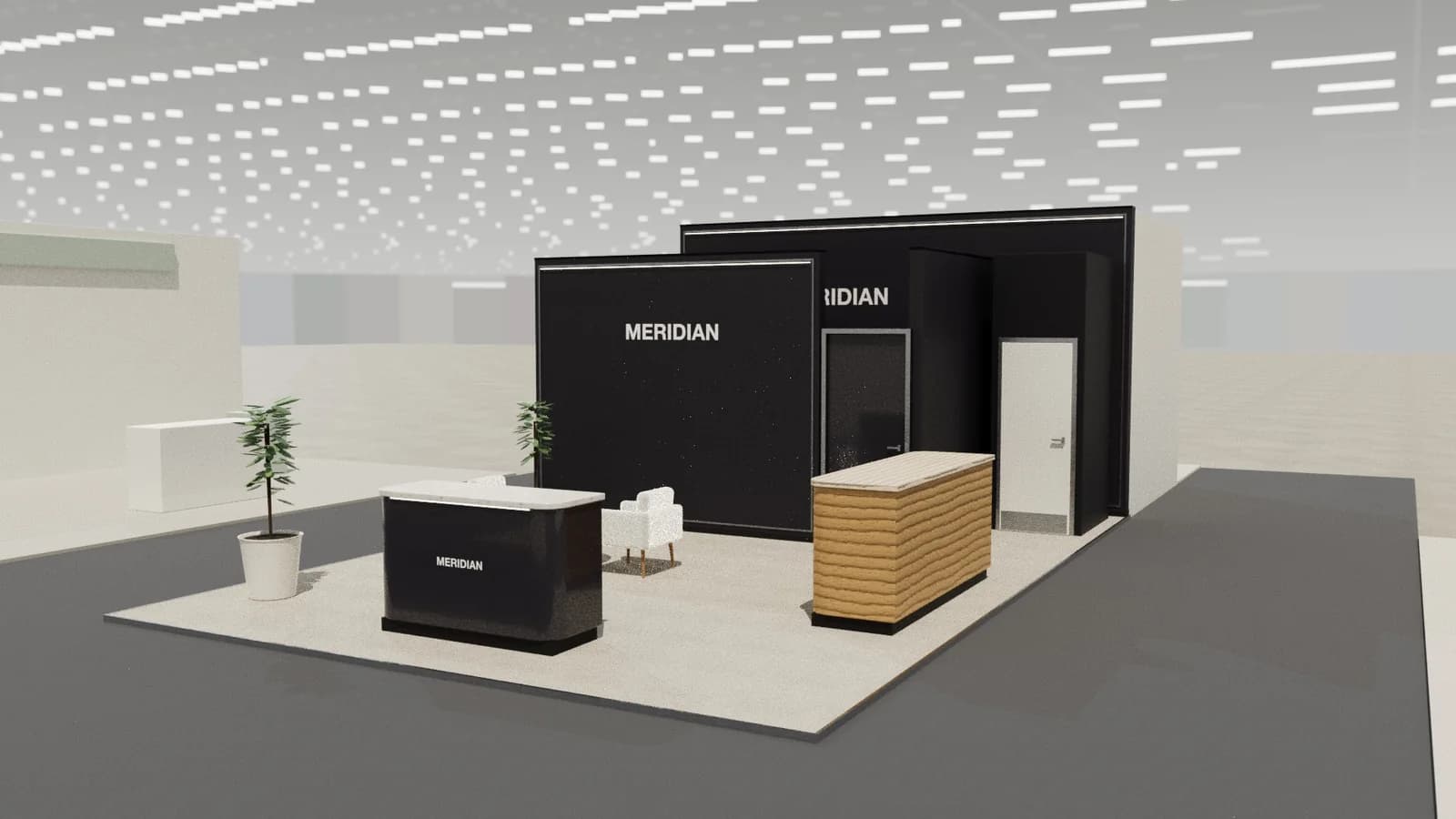
| Row (inline) | 1 | A sampling counter on the aisle edge with prep space and bins behind it, and stock in a small store. |
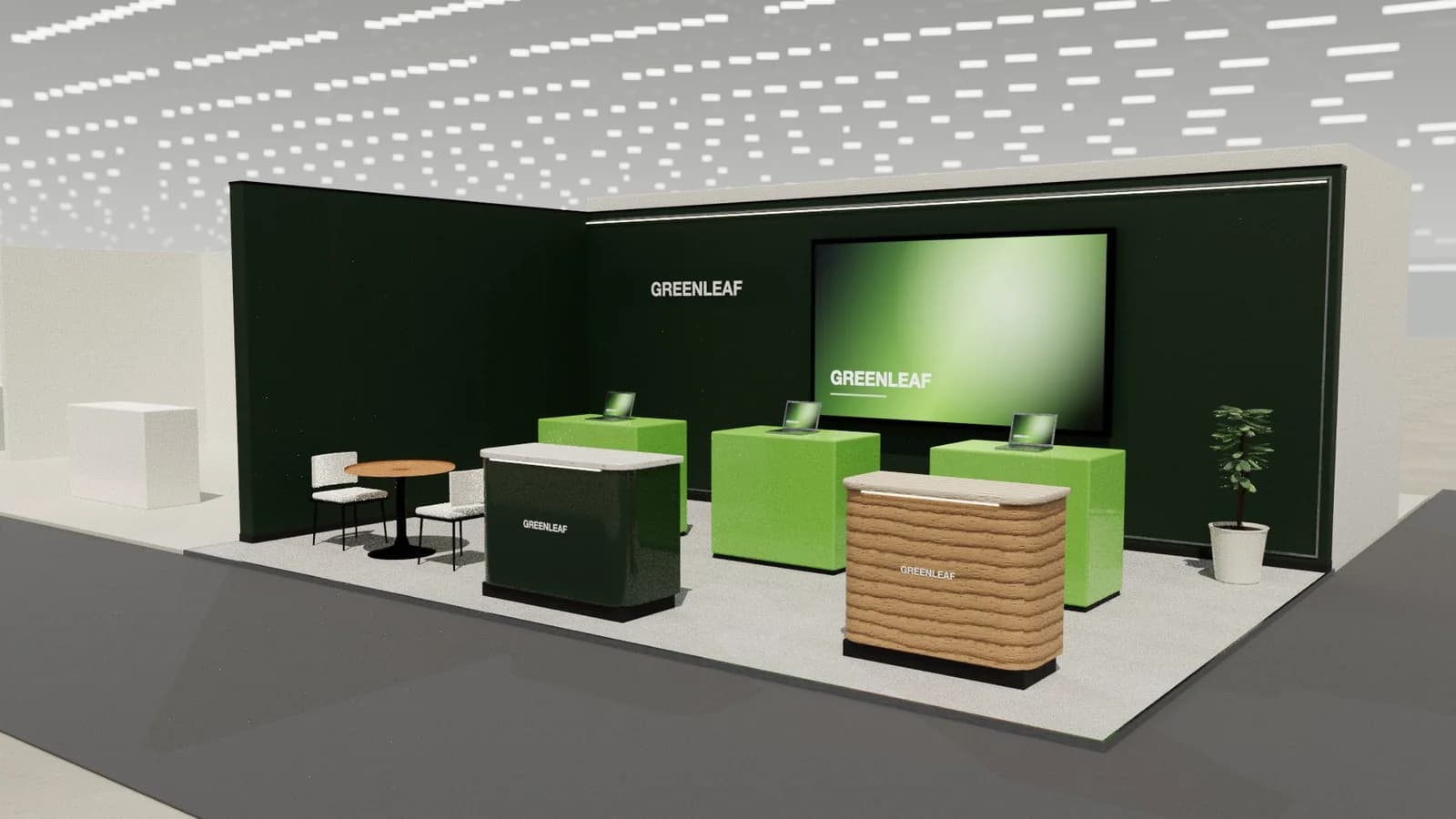
| Corner | 2 | A tasting bar along one aisle and display shelving along the other, store in the closed corner. |
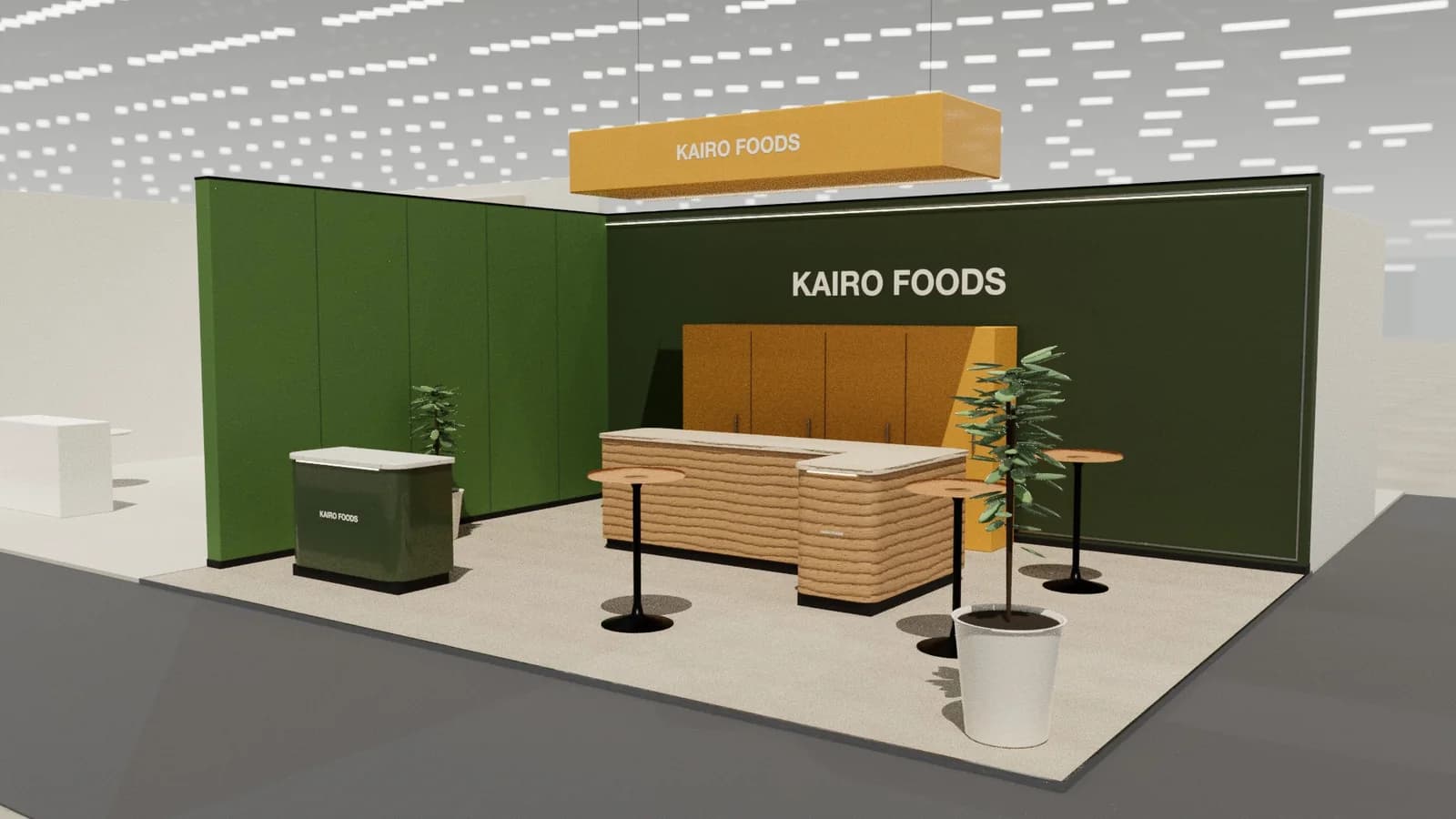
| Peninsula | 3 | A bar on the front edge, seated buyer tables inside and a kitchen or store against the back wall. |
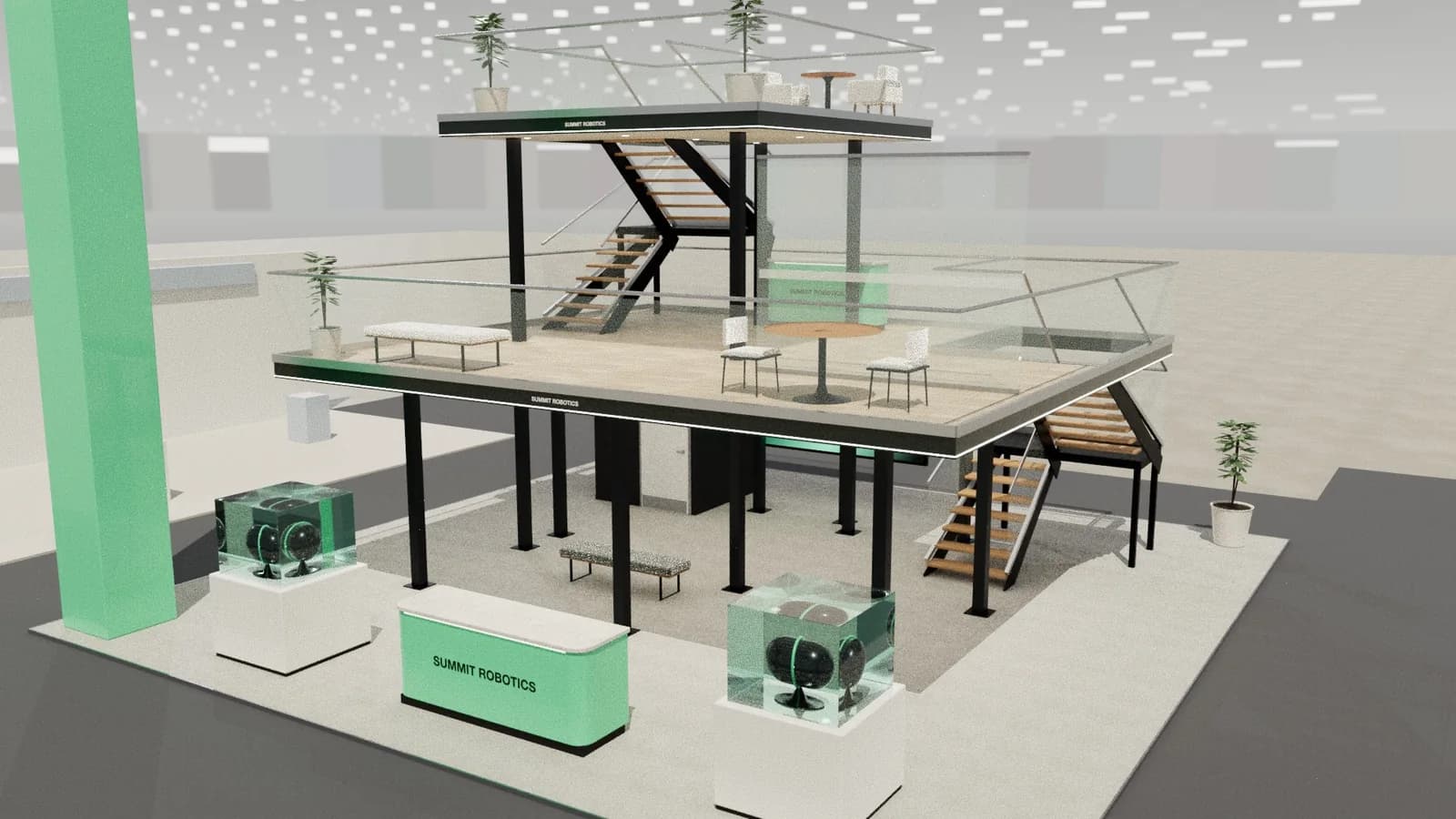
| Island | 4 | A central bar or kitchen island, buyer seating on the quieter sides and an enclosed prep room with water. |
Stand ideas for ProWein
- A tasting bar with spittoons and water at every station.
- Under-counter fridges for whites and sparkling.
- A seated importer area with allocation lists.
Planning, approvals and logistics
Glass washing, water and waste must be planned; shipping alcohol involves excise paperwork.
Allow about 6–9 months for a custom stand. The exhibitor manual sets height limits, open-side rules and service deadlines; see venue approval and technical drawings.
Mistakes we see at ProWein
- No spittoons or water, so tasting stalls.
- Bottles warming under spotlights.
Try your ProWein layout in 3D
ExhibitionBase Studio turns your plot size, open sides and a brief about tasting and sampling into an editable 3D stand for 5 credits, renders it and exports a plan for your builder. New workspaces get 5 free credits.
Frequently asked questions
01What does a wine tasting stand need?
Counters at bar height, spittoons, water, glass washing, cool storage and seated tables. See [wine and spirits booth design](/guides/wine-spirits-booth-design).
02Should I join a regional pavilion?
Pavilions bring traffic interested in your region and share costs; your own stand gives more control.
03How early should I start designing a ProWein stand?
For a custom stand, about 6–9 months ahead: long enough for design, organiser approval, production and shipping. Shell scheme stands can be planned in weeks.
04Can I reuse my ProWein stand at other shows?
Often, if it is modular. Design the core (walls, counters, tasting and sampling area) to work on several plot sizes, and swap graphics per show. See [modular vs custom stands](/guides/modular-vs-custom-exhibition-stands).
Put it into practice
From a client brief to a 3D stand concept in minutes
An editable 3D exhibition stand concept from a written brief and the brand's website, at your exact size.
Guidance here reflects common practice. Venues, organisers and countries set their own rules: always check the exhibitor manual and work with a qualified stand builder and engineer for structures.